

 Content Warning: This article contains mentions of bullying.
It can sometimes feel like you’re under pressure in every aspect of your life, from your grades to your sport to your social life. And to some extent, pressure is a normal and even positive part of your life, pushing you to reach your potential. But there is a point where pressure can become negative, causing you to feel stressed out and anxious rather than motivated.
In sport, pressure most commonly comes from our coaches, our parents or guardians, and our teammates and friends. Most of the time, the people pressuring you aren’t trying to make you anxious, and rarely are they even aware of how they’re making you feel.
Here, TrueSport Expert Kevin Chapman, PhD, clinical psychologist and founder of The Kentucky Center for Anxiety and Related Disorders, is sharing a few ways to confront the pressures in your life in an active way. He’s also sharing tips for handling continued pressure if the people in your life simply don’t understand how their actions are affecting you.
CONFRONTING PRESSURE FROM YOUR SPORT CIRCLE
Dealing with too much pressure from a coach
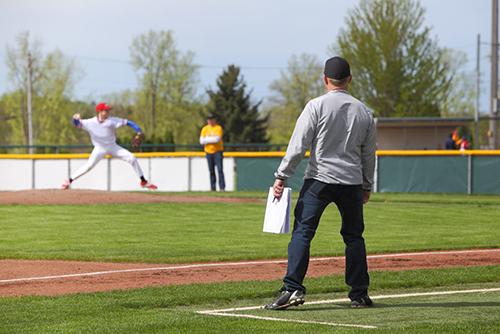 Assess it: Before you approach the coach or lodge a complaint—which may be the right thing to do!—take a moment and think about what exactly is happening between you and the coach. A coach’s job is to help you improve, and you might be feeling a certain amount of perceived pressure to perform. But is that pressure in your head, or is the coach actively making you feel as though you’re falling short?
“Good coaches tend to have the right expectations of athletes, and clearly explain them,” says Chapman. “What are the expectations that your coach has for all the athletes on the team? If you’re not abiding by those expectations, that’s when a coach should be telling you to make a change. But if you feel like you’re being singled out and held to a different standard, or you’re unclear about the expectations, that’s when there is a problem.”
Handle it: Often, coach-athlete issues arise from a lack of communication. Ask your coach to lay out a specific list of expectations for the team. Ideally, this would happen at the start of the season, but there’s no wrong time to clarify expectations. “You’ll be surprised how much pressure gets taken off when you have a clear set of expectations to work with,” Chapman says.
Dealing with too much pressure from a parent
Assess it: Unfortunately, parents often put pressure on their athletes for all the wrong reasons, but with the best of intentions. They want to see you succeed, whether it’s to live out their athletic high school dreams, or because they want you to get that scholarship, or simply because they believe that winning is more important than anything else in life. There are dozens of reasons a parent may mistakenly put pressure on you to perform, says Chapman. And unfortunately, the pressure often backfires and makes you perform worse rather than helping you live up to your potential.
Handle it: In this case, the recommendation means taking on more responsibility than you should have to, says Chapman. “It can feel like you have to be the adult here, but communicating you already have a lot of pressure to perform is so important to changing your parents’ behavior,” says Chapman. “Explain to them that you feel pressure from social media, from your coach, from your teammates—and you don’t need it from them as well. If you can, lay out for your parents exactly what you want from them. Say, ‘I need you to be supportive, listen, and encourage me.’ Make it clear to them exactly how they can best support you.”
Dealing with too much pressure from a teammate
 Assess it: Teammates can create a huge amount of pressure, whether you’re the top player on the team or you’re the one who’s struggling the most. As one of the top players, you may feel pressure from your peers to win the game for the team, or to ensure that the team makes it to the championships. If you’re having a hard year, maybe due to illness or injury, you may feel like your teammates are frustrated with you and pressuring you to recover faster than is possible for you. Pressure from teammates can also involve peer pressure to take part in things like hazing or partying, or other negative behaviors that you’re not interested in.
Handle it: First and foremost, if you feel as though you’re being bullied, let a coach or administrator know. There’s a difference between unintentional harmful pressure from teammates and bullying behaviors. If the pressure isn’t bullying, then Chapman suggests first talking to your teammates who may not realize how their comments are making you feel. But second, it’s important to do the internal work of remembering who you are in addition to being an athlete. “Remember that you are so many things outside of sport,” he says. “Having a broader perspective on who you are as a person helps insulate you when things don’t go well in a game.”
COPING WITH CONTINUED PRESSURE
Develop a new mantra
To stop outside pressure from peers, coaches, and parents turning into internal pressure, Chapman recommends repeating the mantra of ‘progress, not perfection.’ Often, the pressure we feel from others internalizes as a need to always be perfect, but that’s unrealistic. “That perceived pressure can easily become self-pressure, but if we can chisel away at this notion of perfectionism for ourselves and for others, we can handle those pressures more gracefully,” he says. “We’re all going to have bad performances, but a bad performance doesn’t mean you’re a bad athlete.”
This new mantra can also help you take that pressure and apply it in a positive way. Sometimes, the comments and criticism that feel like attacks and unwarranted pressure when you’re anxious can actually be constructive to your performance with the right mindset. “There’s a difference between constructive criticism and unwarranted pressure, but if you’re feeling a lot of anxiety, it can be hard to tell the difference,” Chapman says. “If you can separate yourself from the feeling of pressure and focus on what a coach or teammate is saying, you may realize that they’re just trying to help you with a specific technical skill.”
Feeling too much pressure from anyone? Seek help.
 Sometimes, people in your life simply won’t hear what you’re trying to tell them. Parents will continue to make comments about scholarships, teammates will still expect you to be the athlete who wins the game, and coaches will still have high standards that are impossible to meet. That means part of coping with too much pressure is going to be an internal battle for you, says Chapman. Learning to not internalize when a parent makes that offhand comment about college scouts can be as helpful as having those honest conversations.
Chapman recommends looking for the people in your life who don’t cause you to feel pressured. This could be certain teammates, assistant coaches, teachers, relatives, and non-sport friends. Develop this social support structure so that for every high-pressure relationship you have, you have even more positive relationships that make you feel motivated rather than anxious.
Seeking outside help from a school therapist or guidance counselor can also help you deal with the pressure. “If the pressure you’re feeling is causing emotional distress and impairment in performance—you’re not keeping your grades up, your performance is suffering, you’re struggling with sleep—then you should seek additional professional support,” recommends Chapman. “As a student-athlete, you have access to a lot of great resources at school, including counseling, so take advantage of that.”
___________________________
Takeaway
As a young athlete, it may feel like pressure to perform is coming from all directions. Your coach, parents, and teammates may not even mean to put you under pressure, but their comments about your athletic career can make you feel stressed and anxious. Often, a simple conversation can make a big change—and even if the person in your life continues to pressure you, you’ll know that it’s more about them than it is about you.