

As national statistics and stories continue to unveil, young athletes are in crisis in the U.S. right now, thanks in large part to a plethora of pressures placed on them.
With this in mind, how can you best support their mental wellness while helping them grow as people and athletes? Here, one of the authors of a recent recommendations report on mental wellness in youth sport—longtime sports sociologist Jay Coakley, PhD—is helping break down the tangible ways that caregivers and coaches can support athletes.
1. Humanity over athleticism
 The title of the report is “Humanizing Sport,” speaking to the fact that taking care of young people needs to be the top goal for coaches and caregivers. Adults often struggle to remember that young athletes are under immense amounts of pressure while still developing the life skills and resilience necessary to cope with that pressure. It’s important to understand that the situations a young person is dealing with are valid and important, even if as an adult, you can look back and see how minor those problems are in retrospect. For example, an athlete fighting with a teammate may seem minor, but for that athlete, it can take a huge mental toll.
As a coach, it’s also easy to see a team of athletes as one singular mass—’the team’—but Coakley urges coaches to remember that each team member is their own individual with a different set of skills and struggles. For family members too, it’s easy to focus on a young athlete’s talent on the field rather than prioritizing their happiness on that field.
2. Relieve pressure
Even without meaning to, caregivers and coaches can add huge amounts of pressure for athletes. “For example, sports are often expensive these days, which is a source of pressure for a child who knows that parents are using discretionary money for their sport participation, and because of that, they feel trapped,” says Coakley. Mentioning things like the price of sport or the need for an athletic scholarship can put an unhealthy burden on your young athlete.
Coaches often create similar pressures for the team or for certain players by setting outcome-specific goals like winning certain games and placing more emphasis on wins than progress. Coaches and caregivers who limit unnecessary triggers for stress and pressure, while seeking opportunities to develop athlete resilience, create an optimal environment to support student-athlete mental wellbeing.
3. Take mental health as seriously as physical health
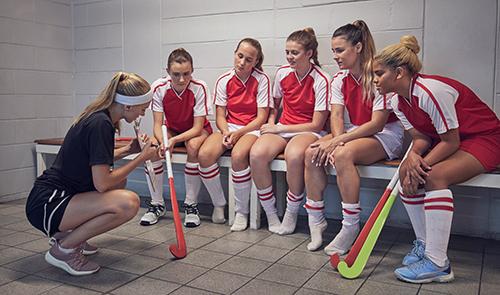 Often in youth sport, mental health is an afterthought, if it comes up at all. But Coakley says that mental health is potentially more important than physical health for young athletes. “Unfortunately, within sport culture, it used to be defined as a weakness if you had a mental health problem,” he says. “It’s hard to change that culture, but that’s our goal.”
To start, have open conversations with athletes about mental health, let them know that they can come to you if they’re experiencing any distress, and focus on mental wellness alongside physical wellness on the team. You can do goal-setting exercises throughout the season, make sure athletes and their families understand your open-door policy, and host weekly check-ins with the team to tackle any issues that have come up.
4. Have regular one-on-ones with athletes
Whether you’re a caregiver or a coach, having individual conversations with your athlete on a regular basis is an important part of monitoring their mental wellness. “Good coaches have weekly one-on-one conversations with their athletes,” says Coakley. “They might be short conversations, but these quick talks let the athletes know that the coach cares about them and helps coaches catch any potential issues early.” In alignment with athlete safety best practices, be sure these conversations are always observable and interruptible.
The same is true for parents and guardians: Make sure you’re having at least one check-in with your athlete each week, even if it’s just for 10 minutes. Intentionally creating time to connect with your athlete leaves room for them to share anything they may be struggling to process or move through on their own.
5. Don’t be afraid to refer out
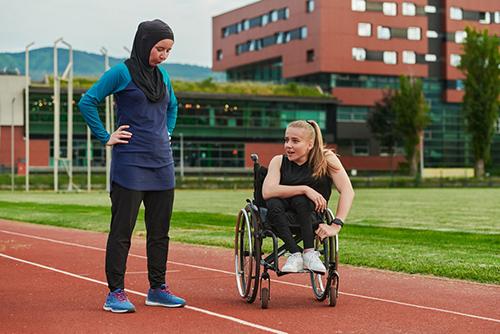 Many of the recommendations in the report center around seeking appropriate help and guidance from other professionals. While coaches may feel as though they need to be the therapist, nutritionist, physical therapist, and sleep specialist, it’s important to remember that wearing all of those hats isn’t actually in the best interest of you nor your athletes. It’s simply overburdening you and keeping your athletes from getting the professional care that they need. Instead, build relationships with experts who are qualified in these different areas and try to make them readily available for your athletes. If financial means are a concern, Coakley suggests reaching out to local universities and seeking out students looking for internships in the fields of physiotherapy, sports dietetics, or psychology. Consider the sport administrators in your particular system as a great ally in this effort. Seek their guidance and support to identify appropriate resources to supplement the important work you’re doing as a caregiver or coach.
_________________________
Takeaway
Serving young athletes means taking care of their mental wellbeing as well as their physical health. This begins with seeing athletes as whole humans, rather than viewing them as one team, or as individuals who are only defined by their athletic achievements. For coaches and caregivers who interact closely with athletes, this should include regular check-ins and open conversations about mental health. It should also include seeking expert help when needed, rather than trying to do everything yourself.