 There’s a reason that if you watch the Olympic Games closely, you’ll notice that some teams aren’t just swigging water from water bottles. Rather, they appear to be sipping slushies—that refreshing combination of water and ice that many of us remember from when we were kids. It turns out that this frozen water is more than just a tasty treat, it can be a good way to cool off athletes during hot practices and games.
And there’s good news for coaches on limited budgets: You don’t need to spring for a slushie machine to take advantage of the benefits of chilled drinks. Here, TrueSport Expert Stephanie Miezin, MS, RD, CSSD, and Director of Nutrition at Canyon Ranch, shares some tips for how to best use chilled drinks to improve your athletes’ performance, as well as their comfort during hot competitions and practices.
Do chilly drinks actually make a difference when it comes to training in the heat?
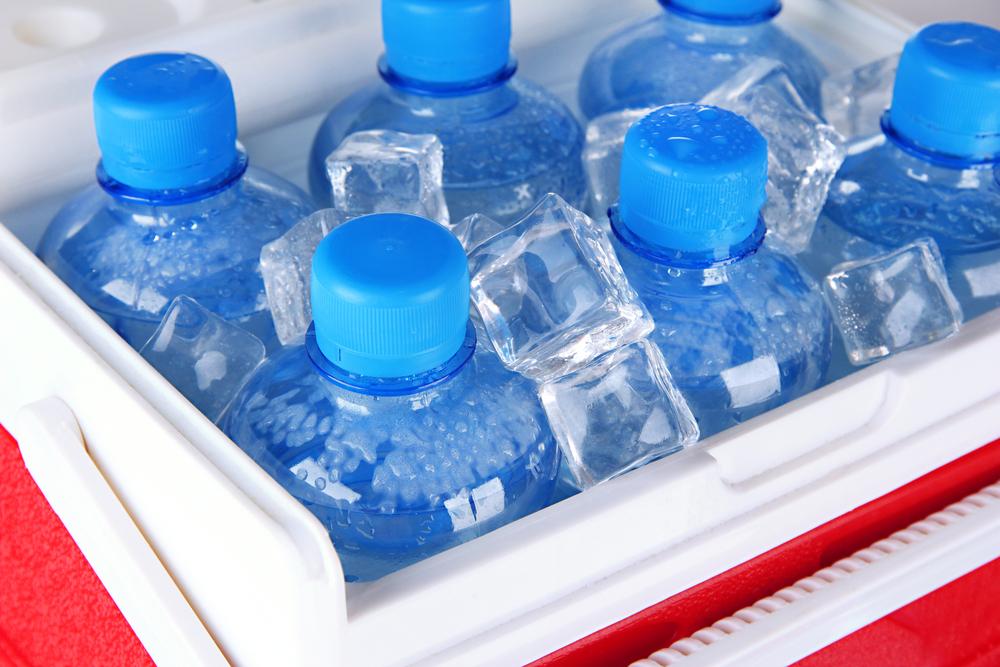 “The short answer is yes,” says Miezin. “Research does show us that having chilled beverages—an iced beverage or a slushie-type drink—can help with exercise performance, especially in the heat.”
The way chilled beverages help is by first providing that refreshing feeling for an athlete, especially on a brutally hot day. But the more research-backed reason is based on core body temperature, says Miezin. “Part of the mechanism at work is that a chilled beverage decreases core temperature slightly, and that decrease in core temperature is what helps an athlete have better temperature regulation, and therefore, better performance.”
However, she doesn’t recommend trying to test temperature for athletes. Unless you have access to core temperature monitors that are swallowed by the athletes, you’re not going to be able to tell if an athlete’s temperature is dropping.
What temperature does it have to be outside before chilled beverages are helpful?
Most indoor activities (with the exception of ice-based sports) are going to be in areas that are warm enough to warrant access to chilled beverages for athletes. Outdoors, there are many factors at play, and it’s impossible to give a specific temperature recommendation as far as how hot it needs to be before adding ice to your communal water jug.
An athlete should consider swapping their lukewarm water for a slushie or chilled drink when it is clear that training or competition is going to happen in a hot and/or hot and humid environment where they would expect to sweat, Miezin says. “We might see the most benefit from slushies and cold beverages when we get a head start and have an athlete drink them before starting to exercise in those environments,” she explains. Drinking slushies and cold drinks during training or competition can absolutely help as well, and it is likely best to have these drinks both before and during the activity for the greatest cooling effects.
What’s the best cold beverage to serve athletes?
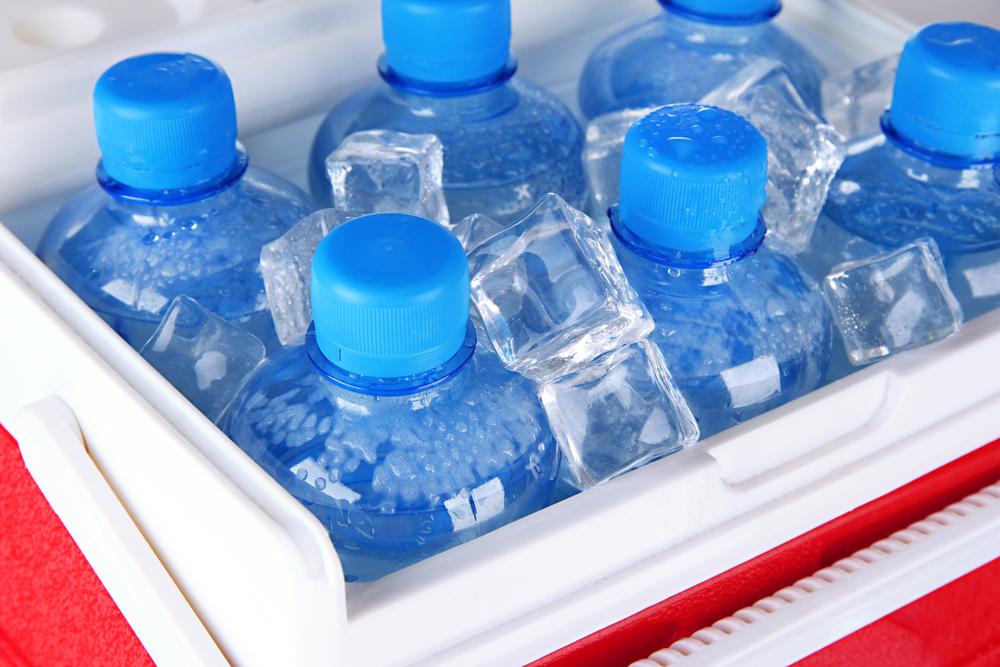
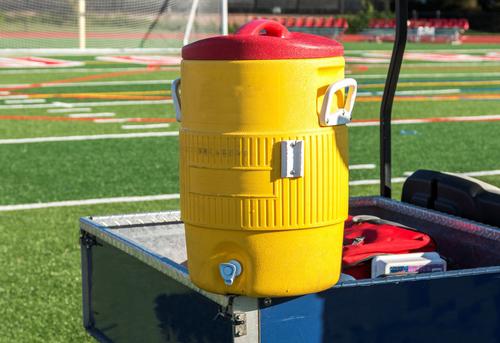 While the Olympic Games made slushie machines seem like the optimal option for athletes, a slushie maker isn’t very practical for most sport settings. Cold water in a large jug that’s at least half filled with ice will be cold enough to make a difference for your athletes, says Miezin. “The research in this field is done with water of various temperatures that are all considered ‘cold,’ but just chilled water from the refrigerator or water with ice in it will be fine—you don’t need to take your water’s temperature before serving!” she adds.
Additionally, you may opt to add electrolytes or homemade sports drink mix to the water, or you may simply provide some salty snacks in order to keep your athletes’ electrolyte levels stable. This becomes more important as the temperatures rise, and athletes are sweating more and drinking more. Keep in mind that adding electrolytes or some juice to your drink mix likely won’t make the temperature-control effect any more potent, Miezin adds.
How do you keep beverages cold enough?
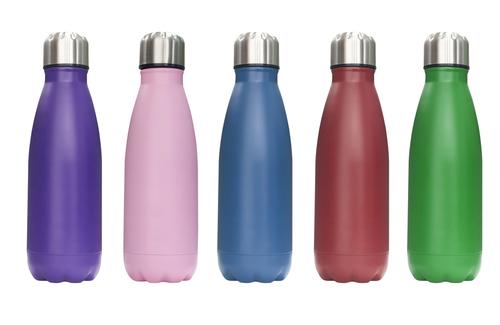 It’s easy to start a game or practice with cold water—but for long days of competition or hot practices, the hard part is keeping the water cold for longer durations. Because of that, Miezin recommends insulated bottles or water jugs. It’s also helpful to make sure that the team’s water (and their individual bottles) are tucked out of direct sunlight, since the sun can heat them even faster. Athletes who don’t have insulated bottles can wrap their regular plastic bottles in a clean sock, followed by a layer of aluminum foil to create a simple insulated layer.
It’s important to mention that individual preference and tolerance for chilled drinks may vary. Don’t force your athletes to consume more than they’re comfortable with. For some young athletes, drinking intensely cold or icy water can cause discomfort, especially for those with tooth sensitivity or even those with gut issues. If an athlete doesn’t want to sip a slushie, allow them to drink water at whatever temperature makes them feel their best.
Are there other ways to use cold water to cool down?
While drinking cold water is an easy way to cool off, using ice packs or ice wrapped in a bandana around the neck or on the wrists can go a long way towards cooling overheated athletes. “Putting a cold layer on the back of your neck can be really helpful,” Miezin says. Research supports the use of ice vests as an effective cooling strategy, but that strategy is generally not realistic for most people, especially younger athletes.
As a coach, you should also be watching how much each athlete is drinking: If you notice an athlete chugging cup after cup of water because they’re overheating, make sure that they take a break to cool down, and that they’re also taking in some electrolytes. “Too much water is not necessarily a positive because the athlete might be getting too much water and not enough electrolytes, which can be dangerous,” Miezin says.
________________________
Takeaway
Icy drinks and slushies are great tools when it comes to keeping young athletes cool and hydrated during hot summer competitions and practices.