
 Hot weather is coming, and that means your athletes are at a higher risk of becoming dehydrated during practices and games. And even mild dehydration can impact athletic performance, as well as an athlete’s general health. Losing just two percent of an athlete’s bodyweight through sweat loss can change how an athlete is feeling and performing, whether they are sprinting at a track meet or participating in a day-long volleyball tournament.
Here, TrueSport Expert Stephanie Miezin, MS, RD, CSSD, is sharing what you need to know to help athletes stay safe on the field.
Signs of Dehydration
1. Don’t count on the scale
As we mentioned, a loss of two percent of an athlete’s bodyweight due to sweat loss is a strong signal for dehydration. But in reality, that calculation is incredibly complicated. Miezin explains that you would need to weigh an athlete immediately prior to practice—accounting for clothing—then account for all fluid lost through using the bathroom as well as all fluid gained from sipping water or a sports drink, or even including food eaten. “It’s impractical for athletes, and for coaches,” she adds. You need a smart scale, a food scale, and a degree in mathematics to keep track of that two percent loss! That’s why most research that cites the two percent statistic is done in controlled lab conditions. So, in real life, how do you know if an athlete is becoming dehydrated?
2. Pay attention to subtle cues
 Rising irritation levels, increased fatigue, dizziness, and trouble paying attention are all early warning signs that an athlete may be becoming dehydrated, says Miezin. The biggest sign is a drop in energy levels, which can sometimes be attributed to calorie deficiency rather than dehydration. The two are not mutually exclusive, of course, so if you’re noticing any of these signs in an athlete, stopping for a sports drink or water plus a snack break is a smart idea.
3. Look for physical indicators
Loss of coordination, nausea, and cramping are all indicators of dehydration, though they all have other causes as well. An athlete who seems to be losing coordination may be in the early stages of dehydration or even heat exhaustion, says Miezin. Unfortunately, loss of coordination and nausea can also both be brought on by a concussion, so it’s important to make sure that an athlete didn’t suffer from a hit to the head. Cramping may be another indicator of dehydration, though it’s not a guarantee. “We still don’t know exactly what causes cramping for athletes,” she says. “But because it may be caused by a fluid and electrolyte imbalance, making sure that an athlete who is cramping is rehydrating properly may be helpful.”
4. Early dehydration doesn’t have obvious physical manifestations
“I remember having a coach who would take me out of games almost immediately when it was hot out, because my face would get very red, very easily,” Miezin recalls. A red face isn’t an indicator of dehydration or even heat exhaustion, though. Some people are just naturally more prone to flushing in higher temperatures. Some athletes are also heavier sweaters than others, and while it might look worrisome, it’s perfectly natural. For the heavier sweaters, do prioritize sports drinks or water with added electrolytes, as those athletes are losing more electrolytes and fluids at a higher rate than less sweaty athletes.
5. Educate your athletes
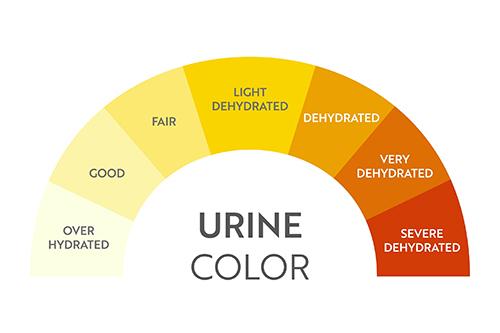 One of the common indicators of dehydration is urine color. Typically, the rule is that urine color should ideally look like ‘lemonade.’ “Apple juice color or darker can be a sign of dehydration,” Miezin says, but cautions that other factors can influence urine color. An athlete eating beets or taking certain vitamins or supplements may end up with brightly colored red or yellow urine, which can mask dehydration issues. Despite those variables, you can tell athletes to pay attention to urine color—and how often they need to pee—as potential warning signs for dehydration.
How to Rehydrate
1. Dehydration can happen even in short practices
If practices or games run over an hour, make sure you’re allowing athletes time for an electrolyte-infused water and/or snack break. If a session is particularly intense, especially in hot weather, you may need to break more often. While most short practices don’t require an athlete to take in extra water or calories, if the athlete is starting practice mildly dehydrated, even a 45-minute session can dehydrate them. As temperatures rise, recommend that athletes show up to practice with sports drink or water that has electrolytes or a pinch of sea salt added. And never disallow an athlete from taking a break to hit the water fountain if they ask!
2. Rehydrate with electrolytes and water
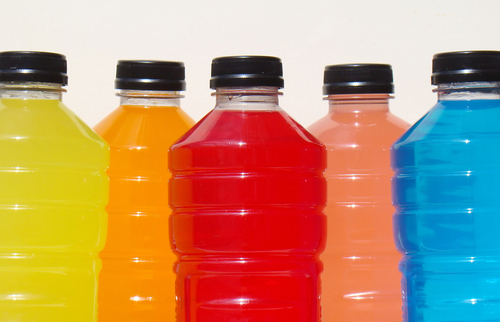 You may be surprised to learn that dehydration isn’t just water depletion. Your athlete needs to replenish critical electrolytes along with water in order to better absorb the water quickly. That means sports drinks are the best option for rehydration, rather than plain tap water, says Miezin. Adding a pinch of sea salt to regular water is another option, as is eating a salty snack while drinking water, especially if you don’t have access to a sports drink and you believe that an athlete is beginning to show signs of dehydration.
3. Don’t gulp gallons of water
When rehydrating an athlete, try to focus on slow and steady sipping. Sipping allows for better absorption of water rather than chugging. Drinking too much, too fast can have other potentially harmful effects other than needing to take more bathroom breaks. “It’s generally not ideal to encourage athletes to start chugging plain water,” says Miezin. “Water without electrolytes can lead to hyponatremia when consumed in large quantities, which is when the body’s sodium levels become dangerously low.” Unfortunately, hyponatremia can be deadly for young athletes, which makes following rehydration procedures even more critical. Water alone won’t rehydrate your athlete: A balance of electrolytes and water is necessary.
4. Take a break
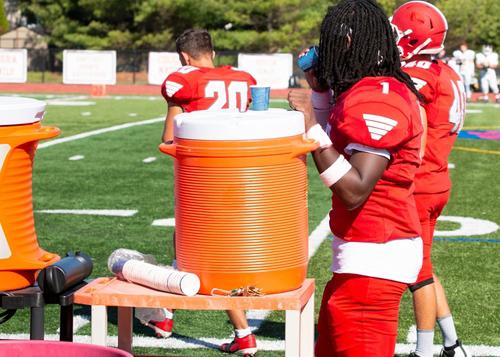 If you suspect an athlete is becoming dangerously dehydrated—their mood or coordination is affected—it’s time for a break. That may mean a short break on the sidelines as they slowly sip a sports drink, or it may mean sitting out the rest of the game altogether, depending on how well they seem to bounce back. You’ll have to make a judgment call on whether they should return to play, says Miezin. (Remember, it’s always better to err on the side of caution.) Additionally, make sure that the athlete is out of the sun and sitting or lying down to recover. Dehydration in hot, humid weather can cause an athlete to stop sweating, which can eventually lead to heat exhaustion or heat stroke, so cooling them down is also important.
5. Dehydration is a year-round issue
In the summer, athletes are more likely to become dehydrated due to heat and humidity, but it can happen anytime during the year. Indoor practices are often pretty warm and busy lifestyles can lead to dehydration even on mild days. So, keep an eye out for these symptoms all the time, not just when summer hits.
_________________________
Takeaway
Dehydration symptoms are hard to see, so pay close attention for signs like a loss of coordination, increased irritability, and fading energy. If you suspect an athlete is becoming dehydrated, ensure that they pause and sip a sports drink, as well as allow their bodies to cool down.