 Content Warning: This article contains mentions of eating disorders.
When it comes to helping young athletes develop positive body image, coaches and parents are constantly struggling. Fortunately, there are a few simple things to keep in mind when it comes to fostering healthy body image in athletes and following these rules of thumb can help you navigate the murky waters of discussions around body image and sport.
Here, TrueSport Expert and licensed clinical psychologist Dr. Melissa Streno is offering her best tips on how you can actively help athletes develop a healthy body image. (Here’s what NOT to do.)
Focus on what bodies can do, not how they look
In nearly every sport, there are certain ‘ideals’ when it comes to the type of body that can excel in that particular discipline. But what we’re learning now is that every body can be an athletic body, and many athletes who don’t seem ‘built for a sport’ at first glance are actually excelling. As a coach or parent, focus less on if someone “looks like a runner,” says Streno. Instead, focus on how they’re doing in practice and how they’re improving. “Help athletes think about what their body allows them to do,” Streno adds. When offering compliments or advice for improvement, discuss things that they’re doing rather than how their body looks. For instance, a conversation with a cross-country runner could focus on how well that runner is doing in practice and how she’s fueling before and after practice, rather than saying she’s looking ‘lean’ or ‘in running shape.’
Eliminate weigh-ins
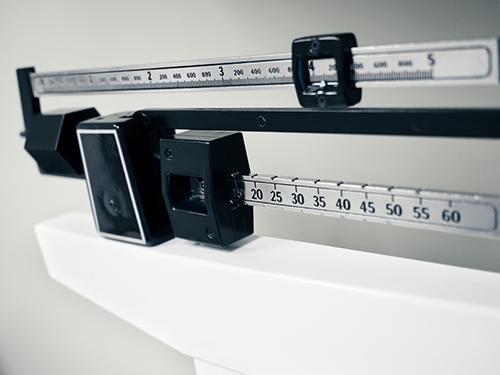 Team weigh-ins should be a thing of the past. Streno explains that focusing on weight as a performance metric isn’t just a flawed way of improving performance—it won’t, in the long run—it also can lead to body image issues and negative behaviors. For most sports, weight shouldn’t be a factor at all. The only exception is if there are certain classes of weight for competition, and even then, weight should only be taken ahead of a bout to determine which class the athlete is competing in. “Even in these weight class sports, I’d rather see young athletes having to compete in a higher class as one of the lighter athletes, rather than having that athlete try to drop weight before a meet,” says Streno. If you do have to do weigh-ins because the sport demands it, do them privately, and if at all possible, avoid the athlete seeing the number. This is especially true if they’ve had issues with disordered eating in the past.
Allow athletes to choose their own uniforms
If possible, try to avoid forcing athletes to wear one single uniform. It’s important to allow athletes to choose what clothing makes them feel and perform their best. There may be a wide span: A cross country running team may have some athletes in singlets and shorts, while others are more comfortable in loose long sleeves and capri tights. Be as accepting as possible of each athlete’s comfort preference, and never assume you understand exactly how the athlete feels, Streno adds. An athlete may prefer longer tights because the team shorts cause chafing and they may be embarrassed to bring that up. Forcing them into the uncomfortable clothing only serves to exacerbate the athlete’s discomfort.
Speak kindly to yourself
Whether you’re a parent or a coach, the words you use to describe yourself matter just as much as any words you use to describe an athlete. Parents are particularly susceptible to calling themselves ‘fat’ when glancing in the mirror, not realizing how their young athlete may internalize that messaging. So be aware of how you refer to yourself and your body, says Streno. Your athletes are paying attention.
Aim for body neutrality
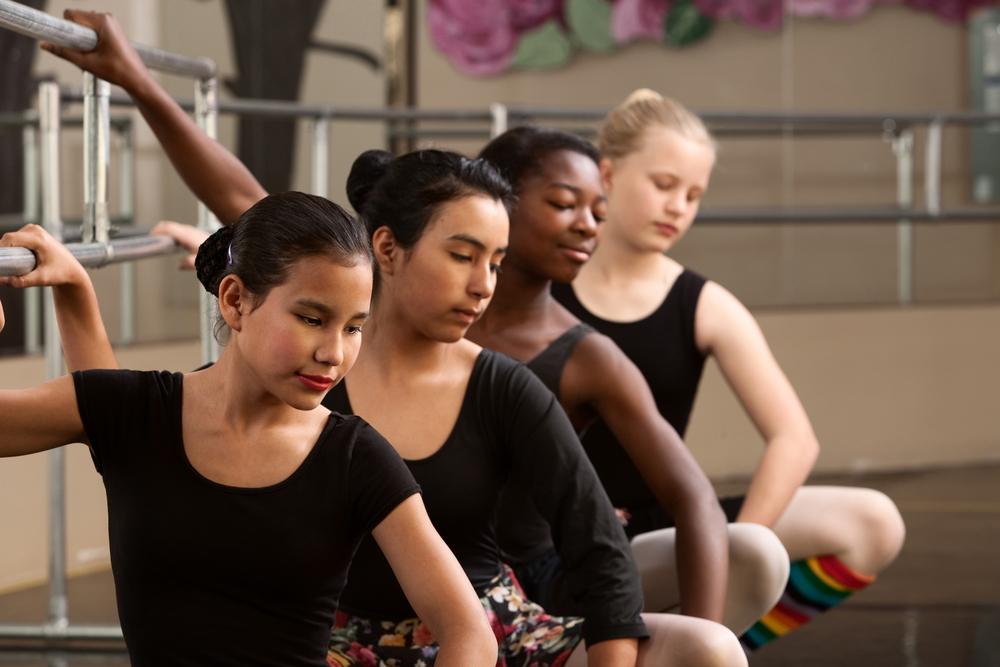 While the title of this article centers on body positivity, for young athletes, sometimes a focus on body neutrality is more realistic. In fact, pushing athletes to maintain a positive body image at all times can be toxic, because it suggests that it’s ‘wrong’ to feel moments of negativity about one’s body. “It’s impossible to feel like you love every aspect of your body 100 percent of the time,” Streno says. “Body neutrality is about identifying things like, ‘What does my body stand for? How does it help me work towards my values? Can I be okay with my body and not love it?’ And that acceptance is a much healthier stance.”
Keep conversations going
Athletes should feel comfortable coming to you to discuss a problem, says Streno. And as a coach, even if you’re not regularly discussing body image, you can be consistently reinforcing the idea that performance isn’t about size or body type, it’s about effort, performance, and strength.
Show up with empathy
 It’s hard to know exactly what to say to an athlete if you don’t understand what they’re going through. If you’ve never had body image problems yourself, it can be hard to conceptualize how an athlete is feeling. But Streno points out that in addition to athletes constantly being told and shown that there’s a ‘correct’ body type for every sport, young athletes are also inundated with messaging from pop culture, magazines, and social media that projects entirely different images of the ‘ideal’ body. In fact, she points out that these ideals are often conflicting—ultra-thin and lanky bodies are considered ‘ideal’ for running, but curvy and voluptuous bodies are sometimes the norm when it comes to pop culture images—which makes issues of body image even tougher for student athletes who are receiving these mixed messages. So before getting into any conversations with athletes, imagine your teenage self being bombarded with all this imagery and that should help you come from a place of empathy.
Enlist professional help
As a coach or parent, it may sometimes feel like the burden of being the expert is on your shoulders. But Streno points out that you simply may not be equipped to deal with some of the issues athletes are facing, so she encourages both parents and coaches to seek expert help when needed. This could mean having a registered dietitian talk to your team about proper fueling in and around practice, or it could mean booking a one-on-one consult for your child. Sports psychologists and eating disorder experts are also great guest speakers or consultants when it comes to body image issues within a team.
___________________
Takeaway
It’s not always easy to help athletes focus on a more positive body image, but it’s one of the most important things you can do as a coach or parent. Focus on what bodies can do, rather than what they look like, and make sure that athletes have the tools that they need to be healthy and happy.