Whether your child is currently enrolled in a virtual learning program or in a classroom following COVID-19 guidelines, it’s unlikely that their routine has returned to normal. Most children are still without gym class or a proper recess break during school, and many school sports are still on hold or limited in scope. And as a parent, you’re probably overwhelmed with the current requirements to uphold your child’s safety, health, and education.
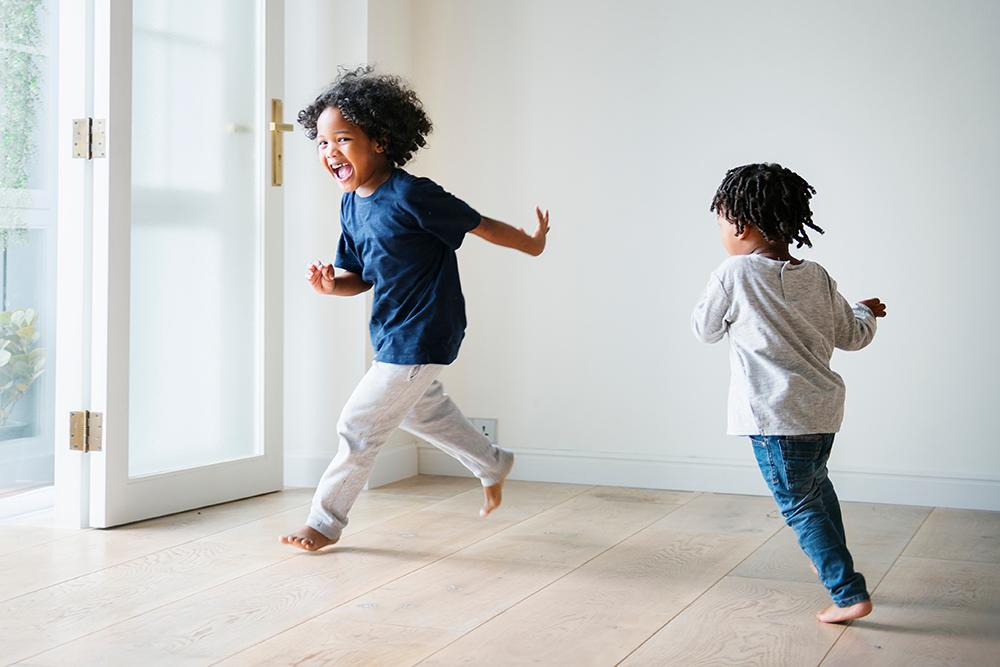
But amid this disruption there is opportunity, including time for free play and the happiness that comes with it. In fact, play time is so important that the United Nations High Commission for Human Rights has said that it is a child’s right, rather than a privilege.
Researchers have been saying for years that play among child and teens helps develop social skills, especially in terms of cooperation. Free play—those imaginative games played in the backyard or in the park where whole worlds are created—also has been shown to improve overall creativity in children.
Jennifer Fane, a former kindergarten teacher turned early education researcher, has performed research on how free play is often overlooked when considering what makes a child feel happy or satisfied. Here, she shares some of her findings about why and how to incorporate free play and general movement back into your child’s life.
Development during Disruption
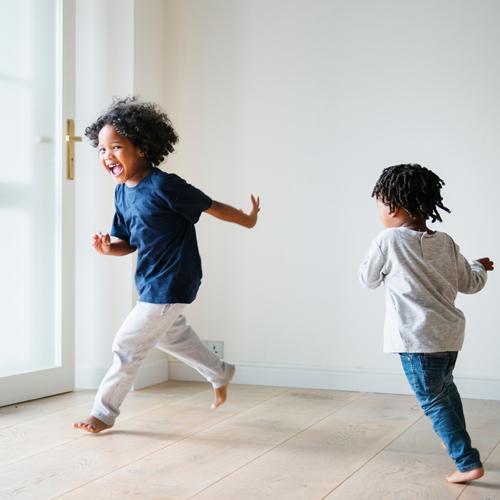 Fane explains in a recent paper that play—especially with peers, but even just at home in the backyard using their imaginations—is a major part of a child’s development. “Right now, all children’s regular routines, what they like to do and what they normally enjoy doing in schools and in childhood contexts are completely changed or prohibited,” Fane says. If children aren’t encouraged to get outside and use their imaginations, the alternative right now is likely to stay inside playing video games—and unfortunately, studies have shown that children who are parked in front of the screen for more than three hours per day tend to be more likely to have issues with hyperactivity. Another study noted that when deprived of play, children lacked social connectivity and had less ‘mental wellness.’
“So it’s more important than ever to help your child find a way to play on his own terms,” explains Fane. “And for young children, there is still an amount of skill and movement development that needs to be happening, even if practices for specific sports aren’t going on.”
Play Settings
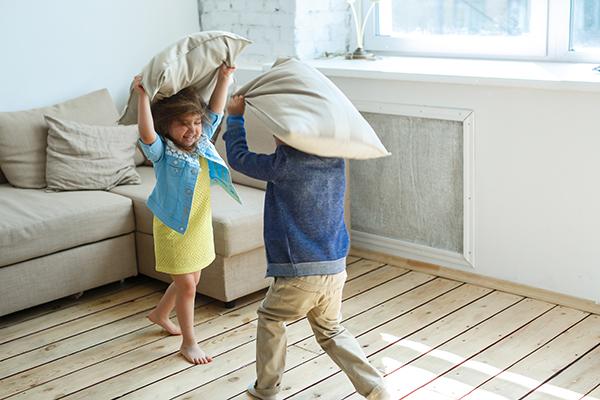 When it comes to free play and getting the benefits for children, the more natural a play area is, the better it is for health and development. “In a perfect world, you would get your children out in nature if possible,” Fane says. “But that’s a very privileged opportunity. So, wherever you have an open space, whether it’s the backyard or inside, work on fundamental movement skills like crawling, throwing, catching, and balancing. It’s possible to do a lot of great play in very small spaces.”
Risky Play
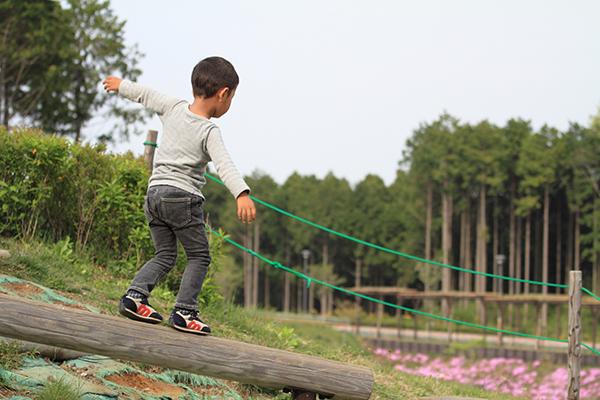 “During this time, you can also give children opportunities to engage in risky play,” Fane adds. “Obviously, do this in a way that’s supervised and as safe as possible, but let your children climb trees and play in creeks. If your playground is closed, find a new space for them to explore. It’s a really great opportunity to focus on bringing in some elements of risk into children’s play, because that’s part of life too.”
Family Play
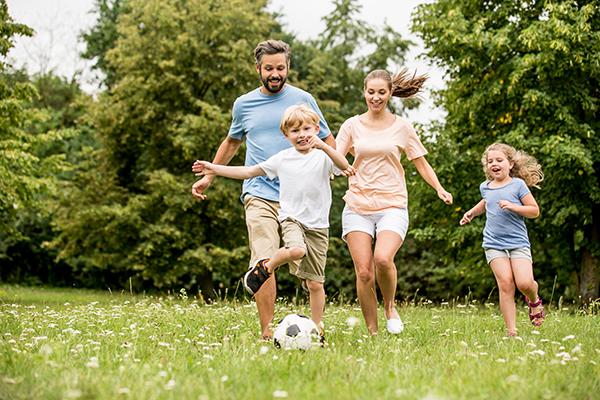 Fane also notes that it’s important for parents to take play breaks, both to role model play and enjoy the health benefits. “If you’re working from home and your children are doing virtual learning, try to take a play break at the same time and make an obstacle course, go throw a ball, or do any kind of fun activity,” she says.
Your child may not be able to play outside with friends, but as parents, you can still help your children ‘practice play’ outside. In fact, parents who played simple games with their children actually found children were better behaved and able to self-regulate. Compared to a standard behavioral management program, the playtime was deemed equally effective.
Peer Play
“Children are going to have a really hard time sort of reconnecting and remembering how to play with peers, and likely won’t move back into that seamlessly,” Fane says. “There will be a struggle to get back to normal. You may want to even practice those conversations with younger or shy children.” She notes that depending where you are and your personal comfort level with contact, if it’s possible for your child to play outside with other children, try to facilitate that when possible.
________________________________
Takeaway
No matter what your child or teen’s version of play looks like, whether it’s building tree forts or skateboarding in the nearby park, focus on giving them the space and freedom to explore and let their imaginations run wild.