
Is your athlete a member of a national governing body and subject to World Anti-Doping Agency (WADA) rules? Maybe they’re bound for college sports and NCAA anti-doping rules also apply? Or maybe they are just interested in participating in high school sports?
If your athlete is subject to a drug testing program or simply training regularly, it’s important to realize that some substances, including those in common prescription medications, present a risk of a positive anti-doping test and/or a possible health risk to young athletes. Here, we identify four substances that parents and their young athletes may be surprised to find pose an anti-doping and/or health risk.
ADHD Medication
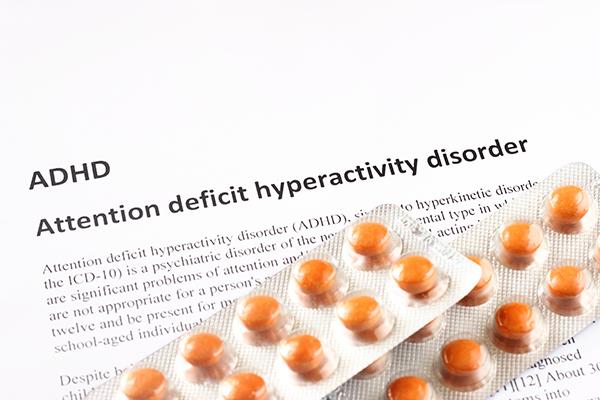 More than 11 percent of school age children are diagnosed with Attention Deficit Hyperactivity Disorder (ADHD), according to Children and Adults with Attention-Deficit/Hyperactivity Disorder (CHADD). If your athlete is prescribed a stimulant medication to treat their ADHD, be aware that many prescription stimulants for ADHD are banned in competition (meaning they can’t be in the athlete’s system during the in-competition period), since they can offer an actual or potential mental performance-enhancing benefit to an athlete, including improved attention and focus in virtually every sport.
But ADHD medication can be used under WADA rules as long as the athlete has a Therapeutic Use Exemption (TUE), which requires the athlete to demonstrate that they can satisfy strict criteria for TUE approval. More specifically, getting a TUE for ADHD requires a diagnosis from a pediatrician, psychiatrist, or other physician who specializes in the treatment of ADHD. Athletes must provide medical information showing developmental history, level of impairment through objective standardized testing, and other supporting evidence that justifies that diagnosis. All this information allows an independent panel of medical experts, called a TUE Committee, to determine whether an athlete’s application meets the TUE criteria and ensures a fair and consistent process to evaluate the need for a prohibited substance across sports and individual athletes.
Spironolactone
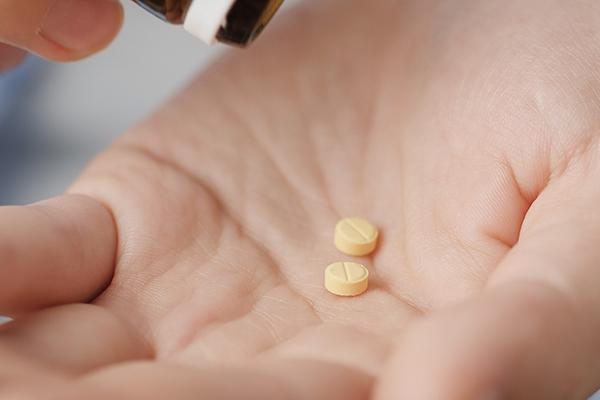 Doctors may prescribe spironolactone to treat moderate to severe acne in females, other gynecological conditions, or to treat patients with high blood pressure (uncommon in young athletes, but possible!).
However, spironolactone is prohibited at all times (in and out of competition) because it acts as a diuretic—flushing water from the body via urine—and as a masking agent to hide the use of performance-enhancing drugs. A derivative of it, canrenone, is also banned. Male athletes have commonly used diuretics to combat unwanted side effects of steroid use, including water retention.
An athlete subject to WADA rules must apply for a TUE before using spironolactone or canrenone to treat any medical condition.
Caffeine and Other Stimulants Common to Dietary Supplements & Energy Drinks
Even though it might sound the most familiar and benign, caffeine actually comes with both health and anti-doping risks. In regards to anti-doping, caffeine is permitted in sports subject to WADA rules, but there are limits to the amount of caffeine athletes can use in NCAA-sanctioned events. Check directly with the NCAA for the relevant anti-doping rules!
 Maybe more importantly, the American Academy of Pediatrics does not recognize ANY safe level of caffeine for youth or adolescents. “Energy drinks often contain caffeine and other stimulant-like substances that can cause adverse health effects if taken in large doses,” explains Dr. Matthew Fedoruk, the U.S. Anti-Doping Agency’s (USADA’s) Chief Science Officer. Energy drinks are not recommended for any athletes, especially before and during activity, and they can be especially harmful for junior athletes because the serving sizes are designed for adults.
Various side effects have been tied to caffeine and stimulant use, including insomnia, jumpiness/hyperactivity, anxiety, nausea and lack of appetite, headache, tremor, or dizziness. Long-term overuse can lead to cravings and withdrawal symptoms that include tiredness, mood changes, and problems concentrating. Severe caffeine toxicity can result in cardiac arrest. In 2010, high school football player Dakota Sailor had seizures and stopped breathing after consuming two energy drinks before practice. Possible health effects of the combined presence of multiple stimulants in a single product are largely unknown.
Inhalers
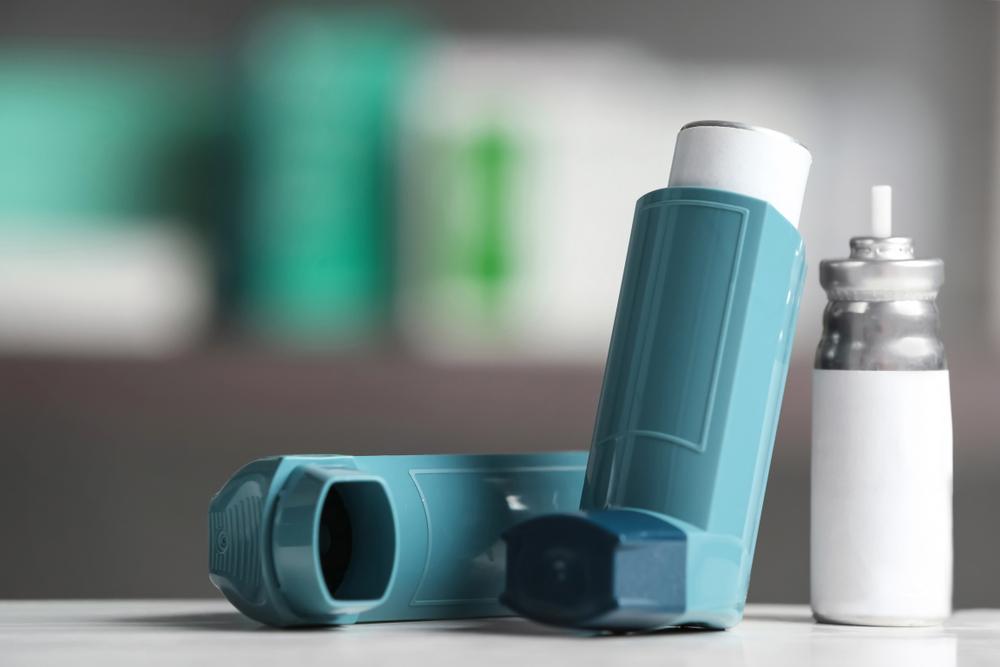
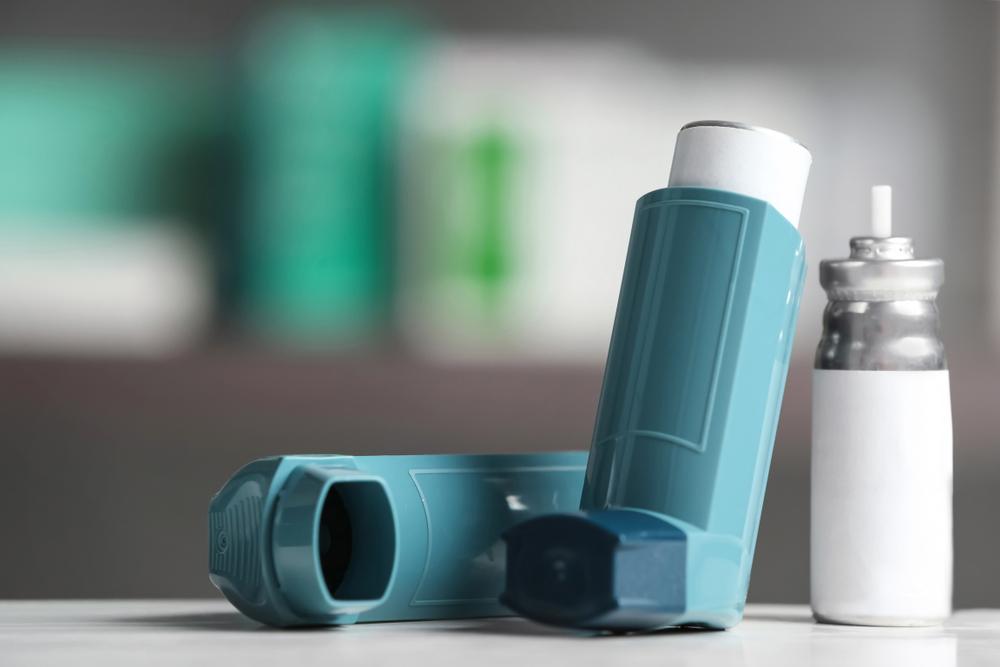 Many athletes suffer from some form of asthma. Unfortunately, some medications present in inhalers used to treat asthma contain doses of prescription medications that are banned in sport. And just because a doctor prescribes an inhaler doesn’t mean it’s safe to use under anti-doping rules. That’s a good rule of thumb for all medications, which is why USADA recommends that athletes at all levels of competition check the prohibited status of their medications (over-the counter and prescription) on GlobalDRO.com before use.
Your athlete may be able to get a TUE for their prohibited inhaler. But as always, it’s important for you and your athlete to speak with the prescribing physician to explore treatment options—your athlete may be able to choose a medication that’s allowed rather than needing to file for a TUE!
_______________________
Takeaway
Even familiar substances like caffeine and commonly prescribed medications for ADHD, acne, and asthma may create anti-doping and health risks for your athlete, which is why it’s important to know the anti-doping rules and take proactive measures to reduce an athlete’s risk.