 One of the many outcomes of the COVID-19 pandemic was that young athletes had to become resilient. No matter how much we may want to shield children from the harsh realities of cancelled seasons, lockdowns, and quarantines, every child experienced some kind of loss or hardship during the pandemic. But board-certified family physician and TrueSport Expert Deborah Gilboa, MD, explains that we can use these difficult moments as a learning opportunity to help our athletes become better prepared for inevitable challenges later in life.
This is a set of skills, Gilboa explains, as resilience is not simply a character trait. It can be nurtured and developed. Here, she discusses the five ways she wants coaches to approach building resilience on their team.
1. Building connections
Strong connections strengthen resilience because they diminish a person’s feelings of isolation. Fostering connections can be as simple as starting every practice with a question, whether that be a sport-specific one about the day’s practice goals or a sillier one like the last snack each person made for themselves. “Ask team leaders for ideas about icebreakers and ways to build better connections on the team,” Gilboa suggests.
“You can also have athletes divide into practice teams using things like sock color or their preferred house at Hogwarts! This way, they start to see what they have in common with each other. Then, turn it into an exercise that will improve the team dynamic: Have each person on the team ask a question to the group about something related to the sport, like how to improve a flip turn in swimming.” Asking for advice helps build strong connections between teammates and shows that even the star player on the team has things they want to improve upon.
2. Managing discomfort
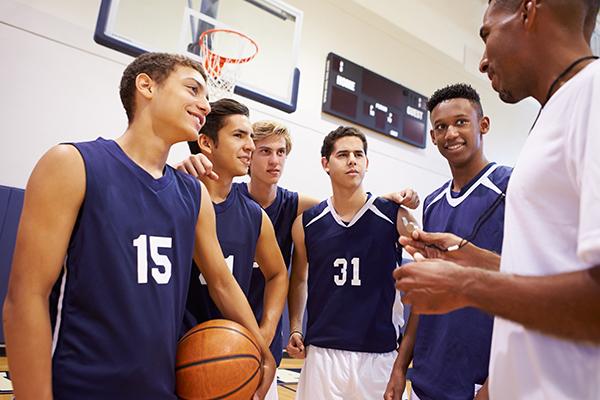 “Nobody grows when they’re comfortable,” Gilboa explains. “Managing discomfort is crucial to becoming more resilient, because if you cannot handle being uncomfortable, you can’t go through the steps required to experience a change and get to your goal. You get stuck.”
As a coach, you can grow in this arena by taking a step back and allowing students to deal with discomfort. You can still show empathy—no one likes running laps because they’re late—but don’t let athletes skip the hard things. Gilboa adds that you can turn this into a team discussion: ask athletes how they can help teammates manage their discomfort? How can they help teammates when they’re sitting on the sidelines or can’t compete? How can they help when a teammate feels embarrassed about their performance?
When a situation is tough for the team, Gilboa says that part of managing discomfort is allowing people to express their feelings. “For example, if your team needs to run laps for some reason, I would tell them that they have 60 seconds to complain about it as loudly as they want, and then they need to get over it. And after that 60 seconds, they all need to find one positive about the situation—even if that positive is just that they’re suffering together.”
3. Setting goals
To build resilience, Gilboa recommends having every member of the team first identify their ‘why’ behind playing. “We want to intentionally focus on the fact that every activity we undertake has a purpose,” she explains. Goals can also be small, daily objectives: Each practice, start by laying out the goals for the day and how those practice goals will eventually help lead to achieving bigger goals down the road. This helps athletes continue to come back to their ‘why’ and can help them push through tough practices because they have a good reason to do so.
4. Identifying options
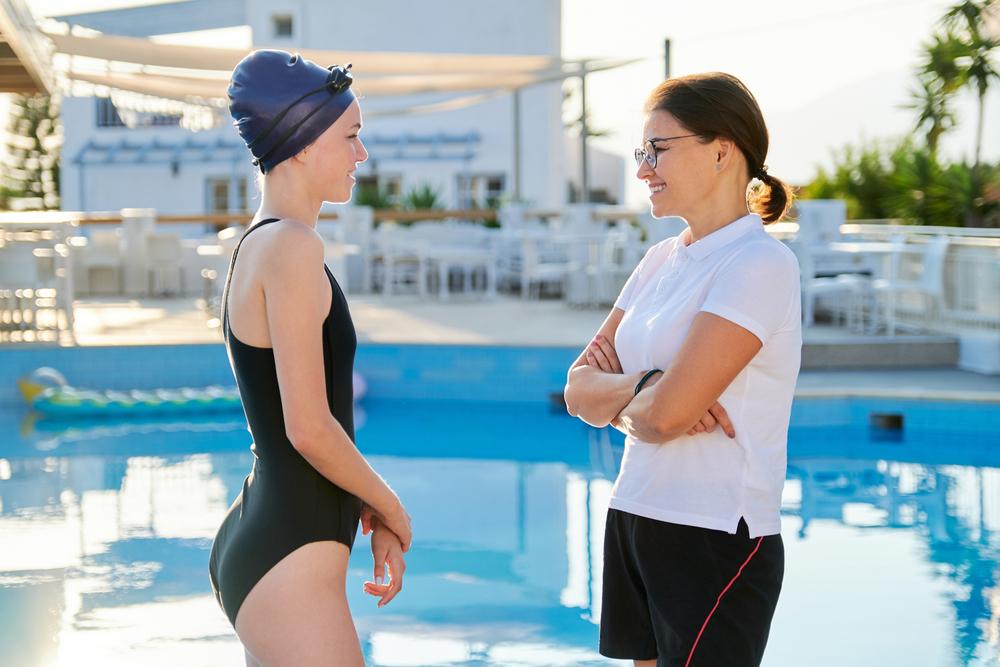 “Unfortunately, we all tend to go with the first solution to a problem that we think of,” Gilboa says. “In general, we don’t list a bunch of options before we decide what we’re going to do. Being resilient means pausing and thinking about all your options and potential outcomes. That way, if one option fails, you know you have alternatives to try next—that makes it easier to persevere or show resilience.”
As a coach, whenever possible, let your team work together to identify different options, whether that’s making a plan for game day or picking what drills to do during a practice. And after a game, identify potential options you could take towards making improvements.
5. Taking action
While thinking through options is critical, action is a key final step in practicing resilience. “A lot of young athletes get stuck in option overload or decision paralysis,” Gilboa says. “And you can’t be resilient if you can’t move. So, you have to pick something and try it. It may not work, but then you can move on to the next option.”
Coaches can facilitate action by putting athletes in decision-making positions. Make sure every athlete on the team is tasked with choosing and leading actions, such as choosing stretches for warmup, picking drills, or leading the team through cooldown. Gilboa notes that it’s important for all kids to have a turn at making decisions, rather than leaving it to the loudest or strongest kids on the team.
____________________________
Takeaway
Developing resilience in the athletes on your team is critical, but it doesn’t have to be hard. Follow these five simple steps to help your athletes become more resilient.