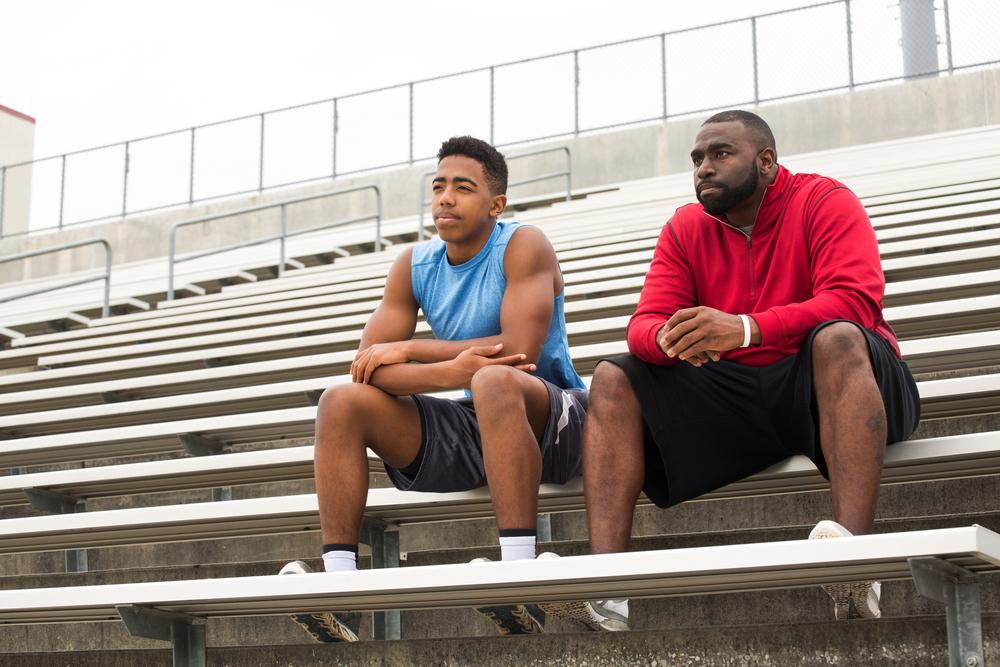
Despite canceled or modified sport seasons, your athletes still need goals to stay motivated so that they can come back stronger and better than ever when sports return. In fact, goals are critical to a healthy mindset and can help keep kids on track during this tough time, says Daniel Gould, PhD, director of the Institute for the Study of Youth Sports at Michigan State University.
As a coach, here’s how you can help keep your athletes excited for sport by setting attainable athletic goals now despite an uncertain environment.
Set Small Goals
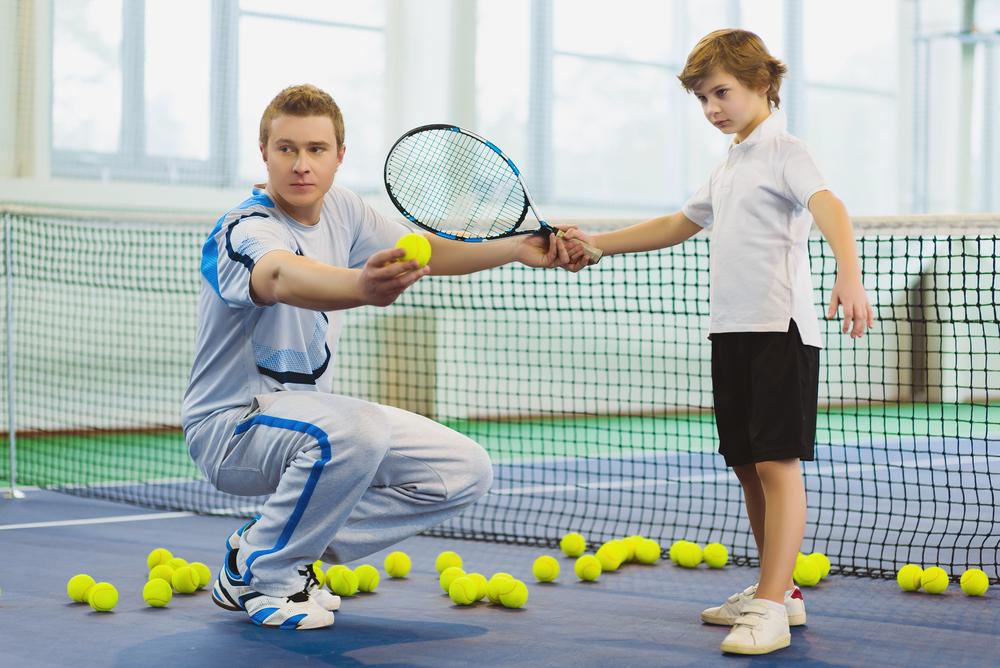 This is the perfect chance to set small goals that would normally get ignored in favor of bigger, championship-winning strategies. One study showed that a small goal—one that’s easily attained—can be an easy, appealing way to stay focused. And another study found that a goal that’s small enough for your athlete to easily visualize will be easier to achieve.
“Make sure that whatever goal your athlete sets is realistic,” Gould cautions. “This year, that might mean much smaller goals since we don’t have as much freedom or as many opportunities as we normally do.” For example, maybe this is the year that everyone on the team finally perfects an unassisted pull-up or runs a certain mileage in a month.
Focus on Process, Not Outcome
Sports goals that young athletes set often revolve around championship wins and podium finishes. This year, that will be impossible for most teams, which makes it even more important to focus on process goals rather than outcome goals. A process goal can be achieved during practice and it doesn’t involve beating another athlete’s time or winning a competition. It’s about how your athletes improve.
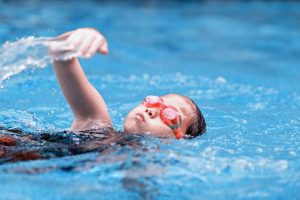
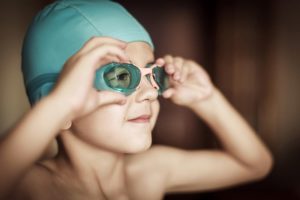
In the case of swimming, for example, Gould explains that a process goal would be to improve a certain part of a stroke or the push off the wall in every kick turn. Or a swimmer could work on beating a certain time—as long as the goal is ’self-referenced,’ meaning that it’s measured against the athlete’s past performance and not the performance of others. “We know goals that are self-referenced tend to better fuel motivation because they’re much more in a kid’s control,” Gould says. “And now is a great time to focus on those without the temptation of outcome goals.”
Don’t Let Despair Win
 While your athletes may not be able to compete this season due to the pandemic, neither will other athletes. Help athletes find those small moments of relief, and even more importantly, focus on what they can control. For example, “Ask your athletes what they can control as young wrestlers. They could answer: ‘I can control my running workouts, I’m able to watch videos of the NCAA tournament, I’m able to ask for socially distanced drills, I’m able to shadow wrestle by myself, and I’m able to look back at old videos of competitions to assess weak points,’” Gould says.
Be Flexible
How can you help your athletes realign their goals with the world as it is now? “If our previous goals are now unrealistic, it’s time to reboot,” Gould says. “We need to set some new goals based on the current information we have and use that information to get really specific and focused.”
This approach doesn’t just apply to the current pandemic: Gould also uses this tactic midseason when original goals aren’t being met. Even in the best times, motivation often wanes throughout the season or new factors arise, making it problematic to double down on goals that aren’t working anymore. Instead, reworking the goal or even setting a new one has been shown to improve motivation and keep people on the path to improvement.
_______________________
Takeaway
Setting appropriate goals isn’t easy, even in relatively stable conditions. Keep these tips in mind when helping athletes set goals and stay motived during uncertain times.