
If you’ve been playing the same sport since you were young, you may have settled into a specific position and focused entirely on honing the skills it requires. This could mean always playing left field in baseball, striker in soccer, or setter in volleyball. But if you always play the same position and focus only on the skills specific to that role during training, you’re missing valuable opportunities to develop as a more well-rounded athlete. This versatility can also make you a better teammate and a more valuable player.
Here, TrueSport Expert Keith Barnett, a longtime volleyball coach and recruiter, former player, and father to a current high school athlete, shares his insights on the benefits of cross-training.
What Exactly Is Cross-Training?
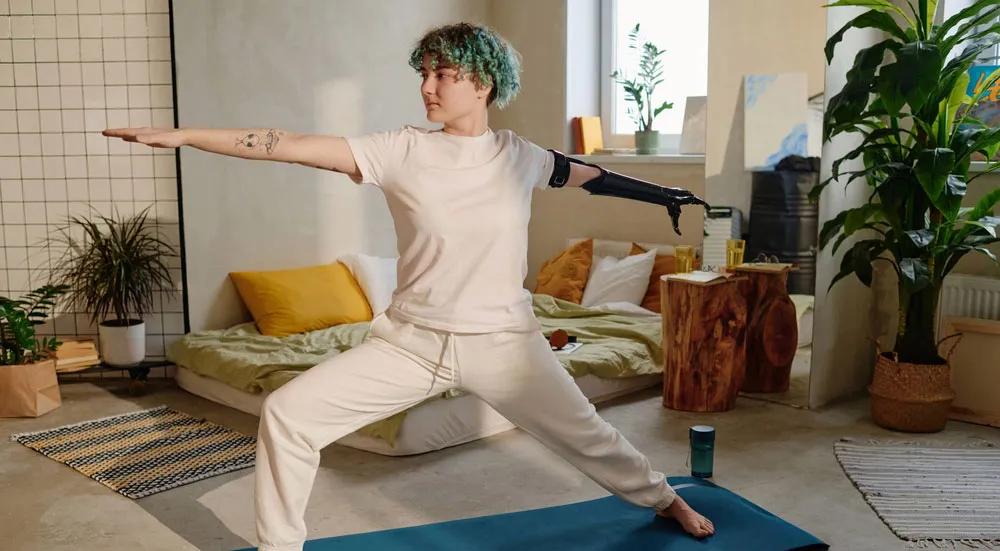
Cross-training can mean a lot of things, says Barnett. It can refer to playing a different position in your current sport, testing out another sport entirely, or simply adding more general fitness to your program, such as mobility work like yoga, general strength training, or aerobic conditioning like swimming, cycling, or running.
To get started, think about what you would actually enjoy doing. “Are there sports other than your current one that you are interested in?” asks Barnett. “If so, it can be great to try those in the off-season. Different sports help keep your body healthier. My daughters focus on volleyball, but they swim in the summer. They’re part of a track team and they play basketball. They’ve also tried tennis in the past. That variety creates balance in the body because you use your muscles differently, and it helps avoid repetition-based injury that can come when you do the same thing repeatedly.”
Cross-training can also simply be fun. “Could you go to the park and just play basketball with friends?” Barnett asks. A pickup soccer game with friends where you play defense rather than your usual position at striker can give your non-soccer-playing friends a better chance of scoring a goal, while giving you the opportunity to simply enjoy playing rather than treating it like a focused practice. Simply put, can you take the seriousness out of the sport and let yourself have fun without worrying about how well you’re performing?
Even within your own team, if you’re always put in the same spot, you can ask your coach whether you could occasionally practice in a different position. “Playing different positions can challenge you in new ways,” Barnett explains. The movements and tactics required to play a new position can push you outside your comfort zone physically and mentally and help you improve as an all-around athlete.
Outside of your specific sport or other organized sports, Barnett notes that cross-training can also focus on endurance, strength, or mobility. This may involve spending time in the gym doing strength and conditioning, adding mobility work with stretching or a yoga class, or adding endurance exercises like swimming, biking, or running for general conditioning.
How and Why to Cross-Train
Consider these strategies when determining how to best cross-train and why each one matters.
- Aim for Breadth, Not Just Depth – Cross-training should build a variety of skills rather than keeping you locked into being good at just one thing. Yes, it’s important to spend time on the things you’re most skilled at, says Barnett, but cross-training can be an effective way to target your weaknesses and keep you from staying stuck in just one role. “The best young athletes can be what the coach and team need that day,” he says. “If you can create a varied skill set, which comes from cross-training and learning new skills, you can be ready to play a different position when it’s needed, and that makes you a more valuable player.”
- Prepare for Future Opportunities – “Being willing and prepared to give your best in a different position because that’s what’s required in the moment matters,” Barnett says. “Coaches actively look for this quality because they want players who can perform in whatever role they’re asked to fill.” You don’t have to be the best at something to effectively support the team. There may come a time when a teammate gets injured, and your ability to play their position with some familiarity could be the difference between a win and a loss, even if it is not the position where you excel.
- Advocate for Variety in Practice – If your coach doesn’t move you around during practice, ask to test out different positions during non-competition times when there is a bit more leeway. And if your coach doesn’t prioritize trying new positions, work with teammates or friends who play your sport to organize pickup games where everyone tries a new role. In offense- and defense-based sports, such as soccer or basketball, learning how to play the position opposite yours can also give you better insight into your own position and tactics. Beyond that, trying other positions helps you build empathy, Barnett says. You may think you know what the goalie on your soccer team goes through every game, but putting yourself in their shoes for a few practices can change the way you view them on the playing field.
- Prioritize Weaknesses in Mobility, Strength, and Endurance – It’s probably not possible to cross-train every facet at once. Instead, focus on your current weaknesses, and work with your coach or athletic trainer to set goals and create a schedule that allows you to work on the biggest issues holding you back. This may mean a weekly yoga class or a daily five-minute stretching routine. It could also include swimming laps because you enjoy that more than going for a run, or adding a long weekend bike ride with a friend or parent. Physical variety matters because the reality is that your body, and your best-suited position, will change over time. Many young athletes settle into their initial positions before hitting puberty, but Barnett notes that a sudden growth spurt that adds six inches to your height could change which position suits you best. Some athletes mature faster than others, which can put them in positions that rely more on strength and size, such as defensive linemen on a football team, only to be better suited for quarterback when their peers catch up. Injury can also force a similar shift. General fitness helps you stay active longer, and building strength, mobility, and endurance can make you a higher-performing athlete. “You can become stronger. You can become more fit,” Barnett says.
- Listen to Feedback – One of the simplest ways to cross-train, Barnett says, is to listen to the feedback your coach gives, not just to you, but also to your teammates. “As a setter, I would pay attention to the feedback being given to the middles,” Barnett says. “I listened to any other feedback the coach was giving, and it gave me insight so that I could switch positions and know how to do things better. This can also help you become more receptive to feedback as an athlete after hearing teammates receive similar critiques.”
- Cross-Training Can Create an Advantage at the Next Level and Beyond – As a recruiter, Barnett often looks at what athletes make time for outside practice, which often means asking how and why they cross-train. “Athletes have to establish themselves through talent, skill, and effort,” he says, emphasizing skill and effort, two things an athlete can control. “When you’re truly interested in a sport, you do it outside of just the practice time. What skills can you work on? How much do you play over the summer? How often are you lifting weights? How much are you stretching? How well are you taking care of yourself?” The payoff extends beyond your playing days. Finding sports and fitness activities outside your primary sport helps you enjoy the game rather than treating every practice as a competition or a job. A lifelong-athlete mindset and strong teamwork skills can serve you well beyond your current sport.