
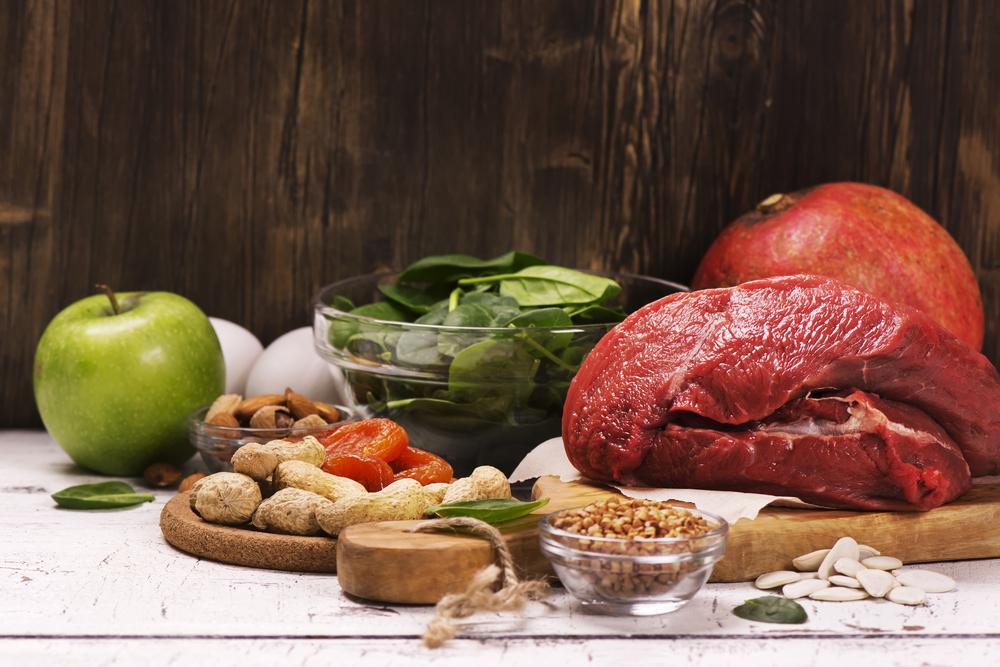
 Your young athlete works hard on the field, at practice, in training, and at school—which means their bodies need proper nutrients and fuel to keep up. But with so much going on, it can be hard to prioritize a healthy nutrition plan and that can sometimes lead to certain nutrient deficiencies. Here, we’re looking at a few of the most common nutrient deficiencies in teens.
Before we dive in, though, it’s important to note that generally, these deficiencies can be fixed with real, whole foods versus supplements. If you believe your athlete needs a supplement, it’s a good idea to check with your family doctor, get screened for deficiencies, and determine the best course of action before adding supplements. Remember: Food first whenever possible!
Iron
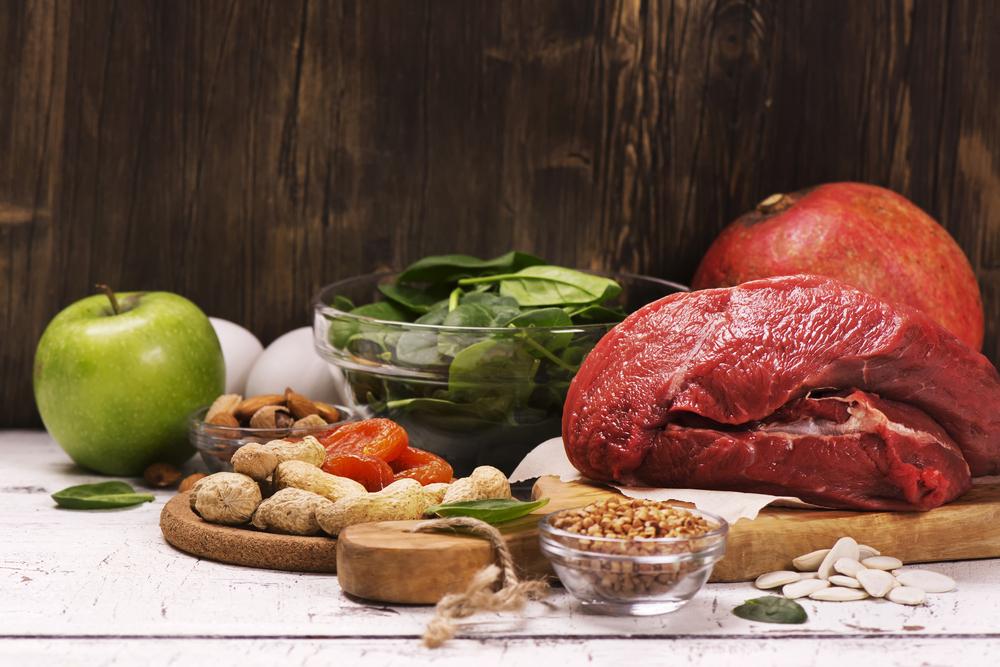 Teens, especially those who are opting to eat less meat—or who truly hate their dark leafy greens—while still training at a high level, may find that they’re deficient in iron. This is a problem worldwide, researchers have found. In 2016, researchers noted that for preteens and teens aged 10 to 14, iron deficiency is the leading cause of “ill health.” And overall, females face more health issues due to iron deficiency, which is often tied to iron loss during menstruation.
According to the American Society of Hematology, iron deficiency (also referred to as anemia) can lead to fatigue, headaches, unexplained weakness, rapid heartbeat, and brittle nails or hair loss.
Iron levels can be raised by adding iron-rich foods into an athlete’s diet. The Mayo Clinic lists the obvious red meat, pork, poultry, and seafood as the easiest ways to get iron, but your teen could also add beans, dark leafy greens, and even dried fruit and iron-fortified cereals into their diet.
Vitamin D
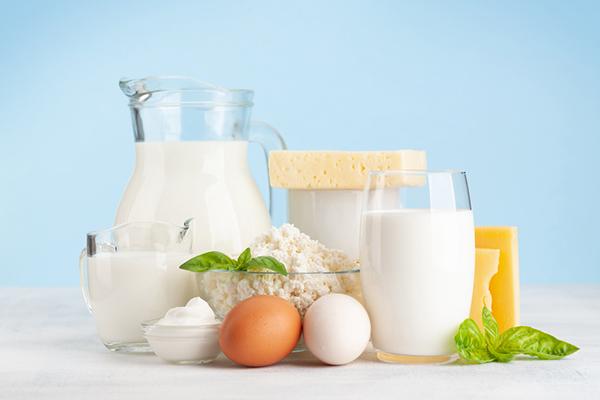 Since most young athletes get their vitamin D largely from sunlight, it’s common to see deficiencies in teens—one study found nearly a quarter of teens surveyed were severely deficient. Wintertime for outdoor athletes, and anytime for indoor-sport athletes who spend most of their sunny hours inside for school and practice, means less vitamin D from the sun. However, food can also help supplement vitamin D for adolescents, who need around 600 IUs per day.
Vitamin D deficiency can be hard for an athlete, since symptoms include fatigue and weakness in addition to bone pain and even depression, according to the Cleveland Clinic.
To boost vitamin D through food, think dairy products, eggs, and seafood. The easiest way to hit your daily dose? A single tablespoon of cod liver oil contains 1360 IUs of vitamin D.
Protein
While most research is based on specific micronutrient deficiencies, many teens—especially those who are extremely active athletes—may be missing enough of the macronutrient protein. Since protein is vital for not only muscle building, but also for repair and recovery, it’s critical that young athletes are eating enough of it throughout the day. Often, children will have a carbohydrate-heavy breakfast like cereal, followed by a carbohydrate-heavy lunch like a peanut butter and jelly sandwich or a bagel, then another serving of carbohydrate around practice, so it’s not until dinner that they’re eating a solid serving of protein in the form of meat or fish. But young athletes should be prioritizing protein throughout the day for optimal benefits. Add eggs or Greek yogurt to breakfast, consider adding a low-fat milk to the side of a sandwich at lunch, and keep that healthy protein at dinner.
Other micronutrients teens tend to miss out on
 Zinc and calcium are less common deficiencies but still are important for immunity and bone health, respectively. Research has shown that these are common micronutrients that get missed—but they aren’t too hard to add back in. Zinc can be easily found in whole grains, dairy, red meat, poultry, and oysters (if you have a teen with an adventurous palate). Calcium can also be found in dairy. For vegetarian and vegan athletes, vitamin B12 deficiency can also be a problem, as can calcium for vegans. For a vegan athlete needing B12, consider adding nutritional yeast on top of meals (it has a tasty, cheesy flavor) or simply opt for plant-based milks that are fortified with B12 as well as calcium.
________________________
Takeaway
While nutrient deficiencies seem like a daunting challenge to parents of a picky eater, consider this: a bowl of cereal that’s fortified with iron and zinc, plus a handful of raisins, with milk that’s rich in calcium, vitamins D and B12, and protein covers most of these deficiencies. And for most teen athletes, cereal isn’t exactly a tough sell.