 If your athlete has torn, ruptured, or otherwise injured a muscle, tendon, or ligament, they’re dealing with a soft tissue injury. These injuries can be frustrating, since the area that’s injured can look perfectly normal, but on the inside, the body is hard at work trying to heal. While your athlete is on the bench, it’s important to make sure that their nutrition is supporting the healing that their body is doing.
Here, TrueSport Expert Kristen Ziesmer, a registered dietitian and board-certified specialist in sports dietetics, is sharing her best tips for helping an athlete navigate this trying time.
Eat enough protein
Make sure that your athlete is consuming adequate protein to maintain muscle mass and help boost recovery, says Ziesmer. For most athletes, you can assess how many grams of protein per day are needed by multiplying their weight in kilograms by 1.6-2.5.
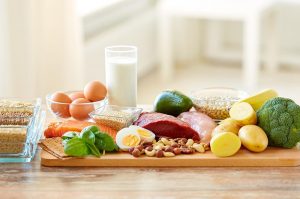
Protein is made up of amino acids, and one of the most important for healing is leucine. “Leucine is an amino acid that stimulates muscle protein synthesis, which reduces breakdown of muscles and soft tissues,” explains Ziesmer. “You can find leucine in dairy products like milk and yogurt, or egg whites.” If your athlete is vegan, you’ll need to make sure they’re using multiple protein sources to get the full range of amino acids, including leucine. Soybeans and legumes are also good sources.
Stay hydrated
Ziesmer advises athletes to drink at least half their body weight (in pounds) in ounces of water per day at minimum. “Water is going to carry nutrients around to your body, which helps with healing and repairing,” she explains.
Eat fewer ultra-processed foods
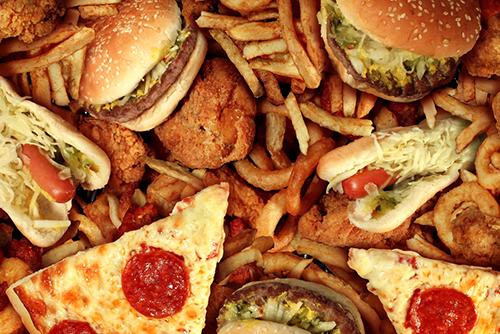 Ultra-processed foods and drinks (like candy, soda, and chips) might taste good in the moment, but they can be inflammatory and slow down the healing process, says Ziesmer. It’s tempting to indulge your athlete when they’re in the midst of recovering from an injury, and while a treat or two is fine in moderation, overdoing it can impede recovery. Not only are ultra-processed foods high in inflammatory compounds, but they also take away healthy eating opportunities. It’s harder for your athlete to eat a big salad with grilled chicken for lunch after eating a bag of chips.
Eat antioxidant-rich and anti-inflammatory foods
“Colorful fruits and vegetables tend to have high antioxidant content, and these are going to help reduce the oxidative stress on the body that happens as your athlete tries to heal from an injury,” Ziesmer explains. “Berries are a really good option, such as strawberries, blueberries, and blackberries. Dark leafy greens, nuts, seeds, avocados, broccoli, peppers, tomatoes, carrots, and sweet potatoes are all rich in antioxidants and key vitamins as well.”
Spend time in the sun
While getting outside may not sound like nutritional advice, it actually is just that. “Being outside for 30 minutes between 10 a.m. and 2 p.m. is optimal for absorbing enough vitamin D,” says Ziesmer. “Vitamin D is important for recovery as well as performance. If you’re deficient in vitamin D, you’re hindering the recovery process.” Sunshine will likely boost your athlete’s mood as well, since it can be tough feeling stuck inside while recovering.
Add helpful whole food extras
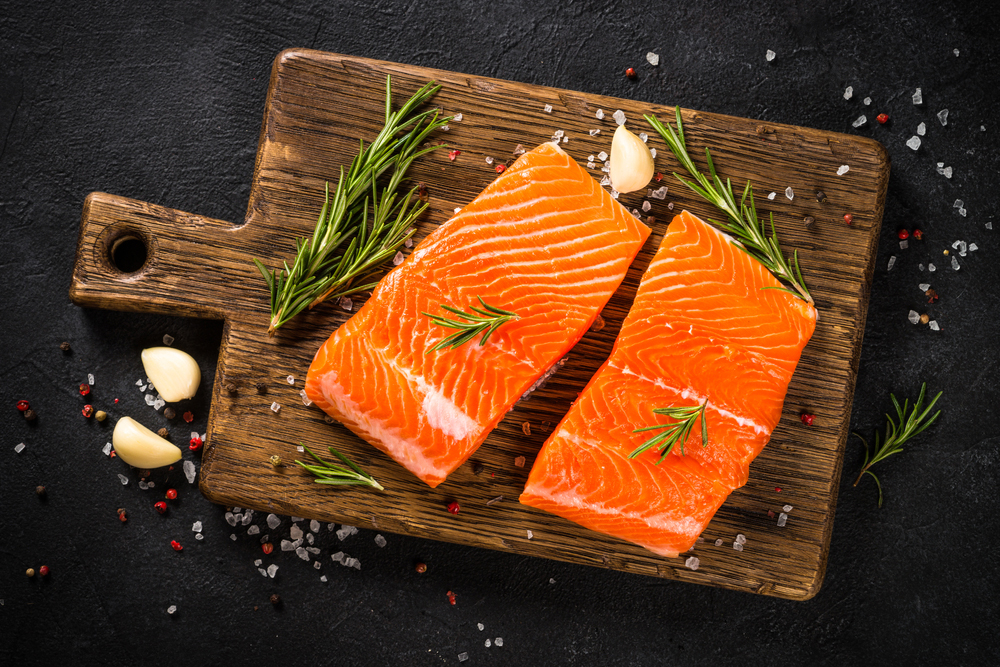
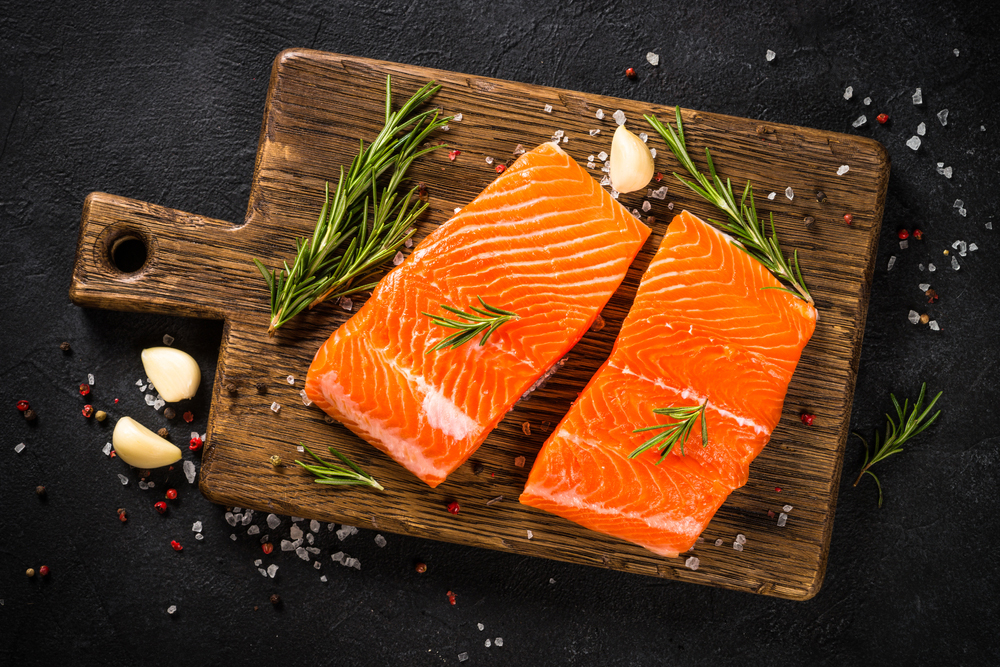 While using supplements to speed injury repair isn’t advised, your athlete can still benefit from the right intake of certain foods. Foods rich in omega-3 fatty acids, nitric acid, collagen, and vitamin C may help improve healing while strengthening the damaged tissues. “Salmon and sardines are the best options for whole food-based omega-3 fatty acids, and beetroot juice and tart cherry juice are great sources of nitric acid,” says Ziesmer. “Bone broth with an orange is a perfect way to get collagen as well as vitamin C—and it’s best when your athlete has these two compounds together.”
Modify food intake
Depending on the situation, your athlete may need to slightly tweak the calories they’re consuming. Rather than looking at an injury and forced period of rest as a reason to cut back on calories, though, reframe it as a chance to swap some fast calories, like white pasta and bread, for more nutrient-dense carbohydrate sources like wild rice and vegetables, says Ziesmer. The athlete won’t require as much energy for training, but still needs to fuel for recovery, so they can lower carbohydrates or swap them for fruit or vegetables, but protein intake should remain the same or higher.
Young athletes shouldn’t be thinking in terms of caloric intake unless they’re working with a registered dietitian to do so. Instead, focus on healthy plates. Visit our meal planning page here to see a sample of a recovery/easy day meal.
Consult an expert
 If your athlete is going to be away from sport for a while, it’s likely worth checking in with a dietitian to come up with a nutrition strategy to promote recovery and avoid inflammation and unwanted weight gain or weight loss. This is also a great chance for your athlete to dial in their nutrition, learn to cook some new dishes, and experiment with different foods without worrying about how it will affect game day. If your athlete has had issues with disordered eating in the past, seeking professional help is even more important, since injuries that take them away from training can be triggering for athletes who struggle with body image issues.
______________________
Takeaway
When recovering from an injury, good nutrition matters just as much as it does when an athlete is training hard. It’s important to make sure your athlete is eating plenty of protein in addition to inflammation-fighting fruits and vegetables, while also cutting down on ultra-processed foods to avoid inflammation in the body. Finally, consult with a dietitian, especially if the athlete is going to be out of the game for a while or has struggled with disordered eating in the past.