
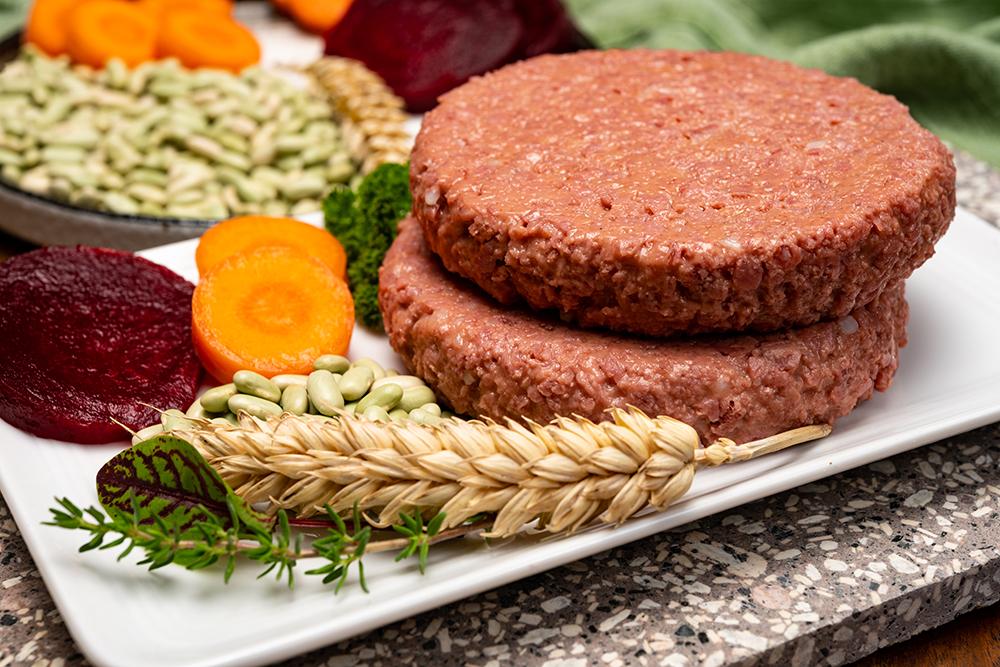
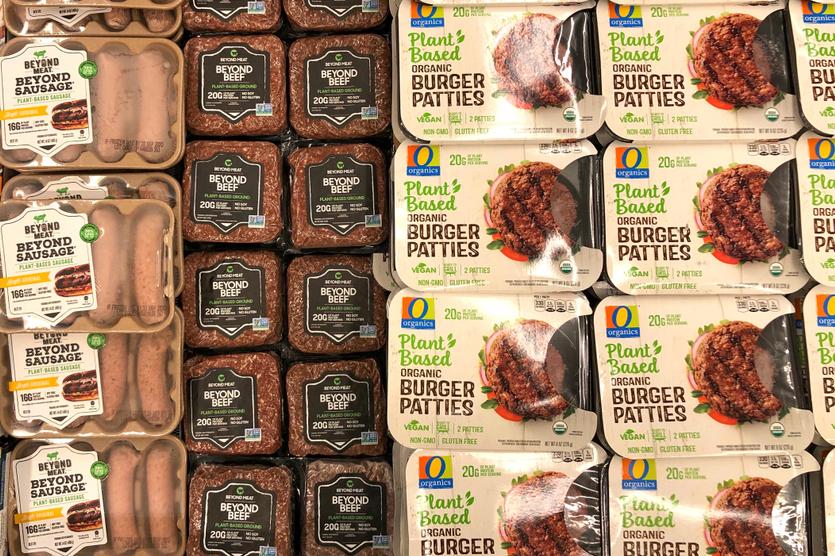
 Plant-based meat products have become ultra-popular in recent years, with many of the standard fast food places now offering a vegan meat option. Thanks to brands like Impossible Burger and Beyond Meat, chains like Burger King and White Castle can cater towards a meatless audience. Unfortunately, not every plant-based patty is going to be a healthy substitute.
Here’s what you should look for when considering which faux meat to give your young athletes.
Just because a burger is meatless doesn’t make it healthy
Plant-based meat substitutes are surprisingly often not the healthiest choice for kids: they can be packed with artificial flavors, chemical preservatives, and high amounts of fat and sodium. And some don’t contain much protein, the primary macronutrient found in meat. For example, a plant-based burger from Burger King actually contains similar saturated fats to the traditional Whopper but adds more sodium!
While some research has shown that a diet based around meat is less healthy than a plant-based diet, the plant-based diet in that research is centered around legumes rather than modified plant proteins like those found in burger substitutes. Also remember that while your child’s burger is plant-based, the fries and soft drink that often accompany it at fast food places are far from ‘health conscious’ options.
Look for whole food ingredients
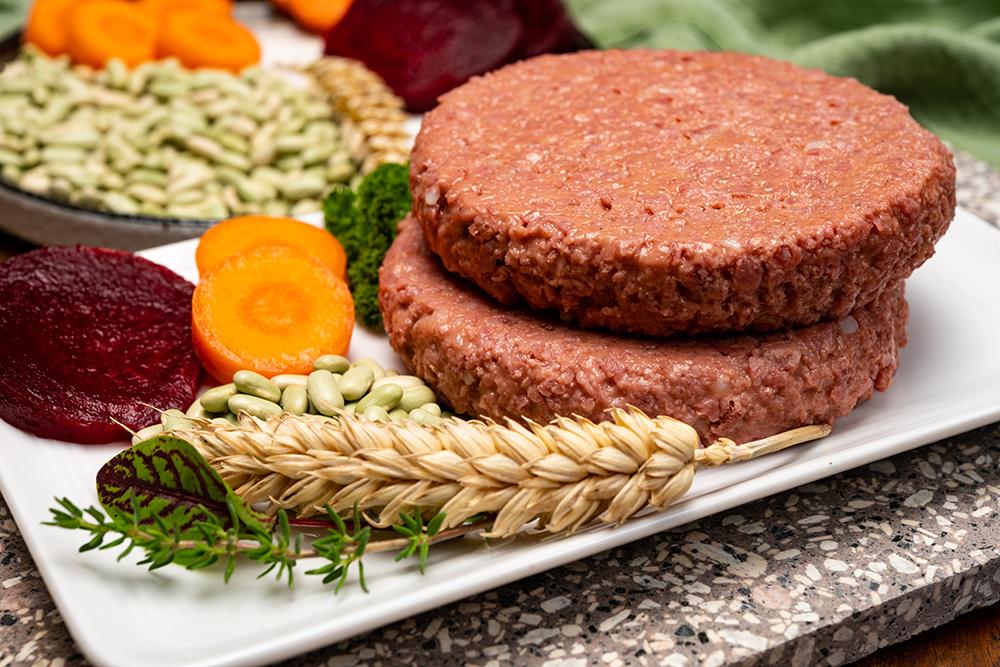 Look for options that are made with ingredients that you know and can pronounce, as well as options with higher amounts of fiber and protein but a low sodium count. Burgers based on beans, legumes, and even mushrooms are often going to be the safest bets. A plant-based meal can be great for kids, but it’s better if you can focus on whole food sources like lentils as the protein source. There are also thousands of recipes for plant-based burgers that you can make at home with beans, mushrooms, and vegetables. Experimenting with those recipes is a great way to have fun in the kitchen and add more vegetables to your young athletes’ plates.
Look at macronutrients
Many of the plant-based burgers now do offer higher doses of protein that are similar to those found in actual red meat hamburgers, but always read the label. Most children require between four and six ounces of protein per day according to national health guidelines, and that can be tricky if a vegetable-based burger only contains a few grams per serving. Additionally, young athletes do need to ensure that their caloric intake stays high enough to fuel the work they’re doing, and often vegan burgers will be lower in calories than their red meat equivalent. Pay close attention to a young athlete who’s only relying on vegan food sources and consider having them sit down with a nutritionist to talk through a day of healthy eating.
Look for key micronutrients
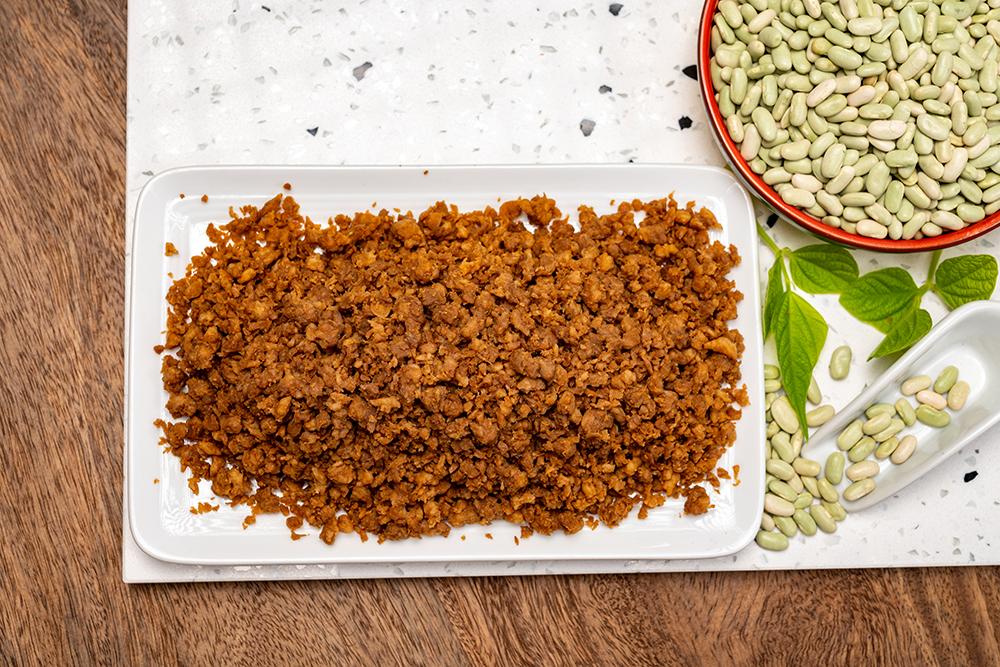 Calcium, iron, and vitamin B12 are often lacking in vegan diets, and while your young athlete may not be eating a strictly plant-based diet, they may be getting less of these micronutrients than they need if they swap a burger at dinner for a plant-based option. Most children will eat a vegetarian breakfast and lunch naturally (such as cereal or granola for breakfast and a peanut butter and jam sandwich for lunch), and their dinner is the only place where meat-based products play a role in their daily intake. Plenty of plant-based alternatives are fortified with these vitamins and minerals, but you will need to pay closer attention to the labels.
_________________________
Takeaway
Unless your child is a full-fledged vegan, a plant-based diet can still have some space for meat-based products, just in moderation. And a completely plant-based diet can be a healthy one, if your child is focused on nutrient-dense vegan options that provide enough calories to keep them healthy and training hard. If your child is considering becoming plant-based, or you’re hoping to make your whole family less reliant on meat, enjoy the experimentation of trying new plant-based meats and other vegetarian sources of protein, but pay attention to the labels. It may be helpful to meet with a dietitian for guidance when getting started so your athlete doesn’t miss out on key nutrients!