
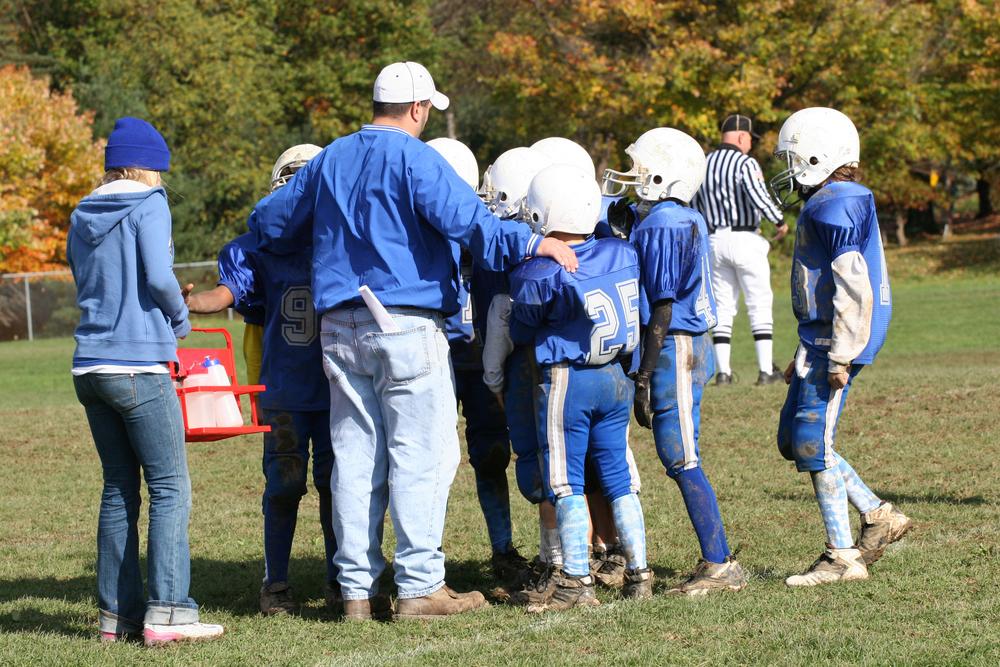
 Many parents get into coaching because they have a child in the sport. It can be a fun, rewarding experience for both of you, but as you might have realized, it can also be a challenge. As a parent and a coach, it can be difficult to establish expectations and boundaries that keep everyone happy, including you, your athlete, and the other parents and athletes on the team. Here, several TrueSport experts share their best advice for what to do when coaching your own child.
Find your why
 While coaching your child can deepen and enhance your relationship, it can also strain it if you’re not mindful. “A good starting point is to reflect on why you are coaching this team in the first place,” says TrueSport Expert Nadia Kyba, a social worker and expert in conflict resolution. “Is it because volunteerism is one of your core values? Are you hoping to give your child their best shot at an athletic scholarship? Is it to become closer with your child by spending more time together? There are no right or wrong answers, but the key is to be aware of the reasons and to ensure that your actions as a coach are reflecting that purpose.”
Establish clear boundaries
Before the season begins, create a set of rules for yourself that break up your coach role and your parent role—you can even ask your student-athlete for his or her input. “Remember, whether your child performs well or poorly, your relationship with them shouldn’t be impacted,” Kyba says. One way to navigate this is to have set times that you will talk about the sport with your child. Your athlete may also have some rules for you, like not using their nickname in front of the team.
Focus on positive reinforcement
 “As parents, our children can often be the targets of criticism since it is easy to point out their negative behaviors,” says TrueSport Expert Kevin Chapman, PhD, clinical psychologist and founder of The Kentucky Center for Anxiety and Related Disorders. But as a coach, rather than punishing an athlete for a mistake, reward them with positive reinforcement when something goes well. “Remember reinforcement is meant to increase behavior whereas punishment is designed to decrease behavior,” he adds. “Reinforcement is always more powerful than punishment.”
Open communication with the team (and other parents)
As a parent-coach, you can expect parents of other athletes on the team to occasionally question your choices: If your child is always in the starting lineup, for instance, you might deal with a parent who feels that starting position is a result of favoritism rather than skill. Because of this—whether the complaints are perceived or based in reality—it’s important to open lines of communication between yourself, the athletes, and their parents. Kyba suggests holding bi-weekly team meetings with this format:
- What is working well
- Issues/Concerns
- Ideas/Options
- Action plan for going forward
“These meetings give athletes and parents an opportunity to have open conversations if they have concerns,” Kyba explains. “This is the time to be transparent about your decision-making and to allay any concerns about bias. Have an awareness of the power you hold as a coach and what barriers that brings to athletes and parents coming forward to ask questions or voice concerns about bias. Communicating an acknowledgment of this power and how you work to mitigate the problems it can create is so important!”
Frame feedback positively
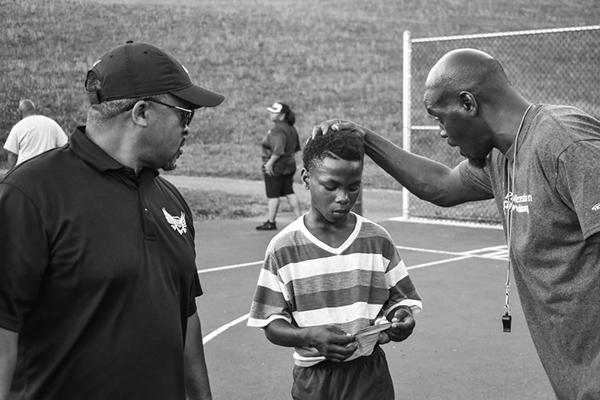 Try to keep feedback positive, highlighting things that your athlete did right, rather than phrasing it as ‘constructive criticism.’ Then, add what they can try in the future. Kyba shares two examples of good feedback: “I noticed when you made a second pass, the team was able to score more often than when you took the shot off the dribble. I’d love to see you try a similar strategy during the game. What do you think?” or “I saw that when you stood up and cheered from the bench Lucy started to run faster and made a great pass. That type of energy can go a long way when we are down. When you’re quieter on the bench, I don’t see the same immediate impact. Thanks for contributing!”
Adopt a “What did you learn?” mentality
Chapman believes that as coaches, parents need to help their student-athletes adopt a process-oriented mentality. “Asking your child after competition, ‘What did you learn?’ is one of the most powerful questions to ask, since it will assist your child with a focus on the process of competing as opposed to the outcome of competition,” Chapman adds. “This will also build rapport with your child and allow you to avoid criticizing poor performances.”
____________________________
Takeaway
“Just enjoy it, because it goes by so fast,” hockey coach Greg Krahn, the latest TrueSport Coach Award winner, reminds parents. As Kyba said earlier, many parents get into coaching to have quality time with their athlete, so make sure that your coaching is enhancing the relationship, and that you’re both having fun.