
Most sport parents have heard their athletes talk about how much they need this or that supplement to perform better, stay healthier, or train harder. If your athlete is set on supplements, you can help them minimize the risks from those products by understanding red flags, identifying high-risk supplements, and using only third-party certified supplements.
Here, Tammy Hanson, Director of Elite Education at the U.S. Anti-Doping Agency (USADA), explains how to minimize the health and anti-doping risks from supplements.
1. Understand the Potential Risks from Supplements
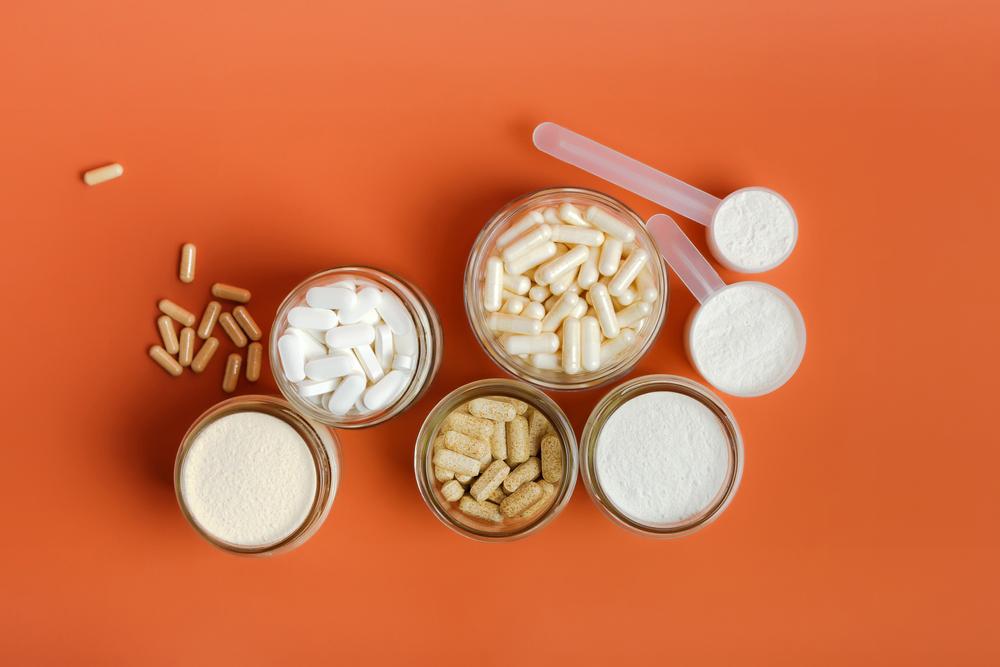
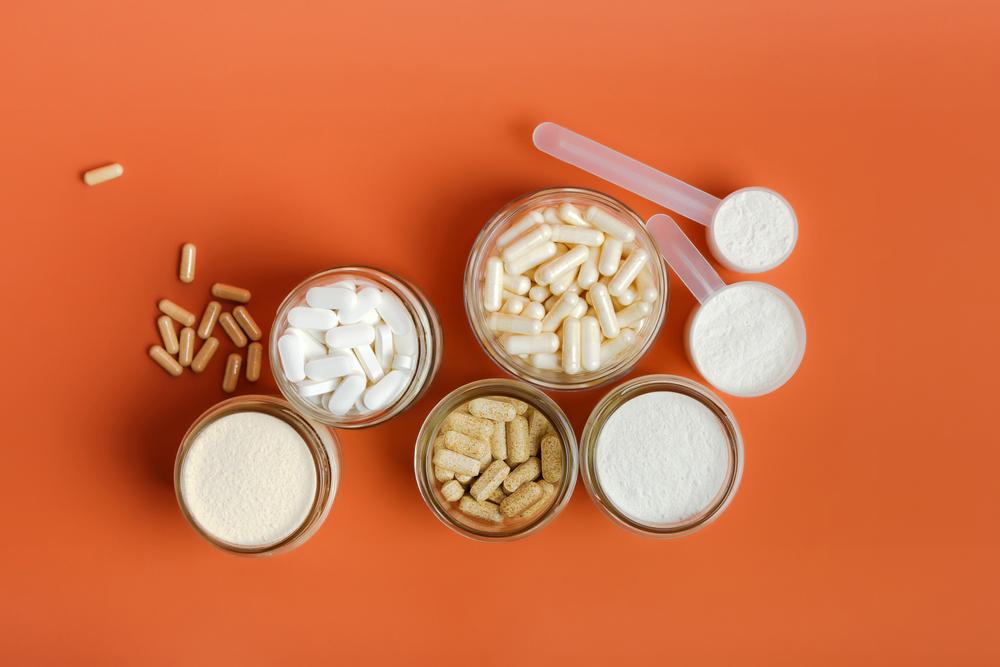
Dietary supplements come in many forms, including gels, protein powders, and multi-vitamins. These products are regulated post-market, which means that neither the Food and Drug Administration (FDA) nor any other regulatory body evaluates the contents or safety of supplements before they are sold online and at major retailers.
 Even though there are many safe supplements on the market, post-market regulation makes it very hard to determine which products are truly safe and actually contain what’s listed on the labels. Contamination and the use of unhealthy, low-quality, or unlisted ingredients continues to be a big problem in the growing supplement industry.
“We know that the majority of ingredients are being outsourced from other countries, which increases the risk of cross-contamination,” explains Hanson. “Supplement companies can leave out or omit ingredients on the ingredient list. They can change the name of ingredients. Yes, the FDA can pull something off store shelves if they deem it unsafe—but only after they’ve deemed it unsafe, which could be too late.”
Given the potential for unknown ingredients and quantities of those ingredients, some supplements pose a health risk, and unfortunately, there are many documented cases of this issue. Some supplement companies may also intentionally use potent ingredients that increase the effects of the product but are prohibited for athletes subject to anti-doping rules.
2. Recognize Red Flags
Researching supplements and recognizing red flags can help consumers reduce their risk if they decide to use supplements. You can start researching supplements by checking to see if the product or manufacturer is on the USADA High Risk List or the FDA Tainted Supplements list before use. These lists are not all inclusive, but they are a good starting place for ruling out risky supplements known to be contaminated or contain harmful ingredients.
You should also consider these red flags while evaluating and researching any supplement you might use.
- Products sold exclusively on the internet may be risky, as some companies try to avoid regulations this way.
- Some products list ingredients by chemical names to deliberately confuse consumers.
- Products that make claims like “newest scientific breakthrough” and “quick fix” are risky.
- Products that claim to treat or prevent a disease, or be “an alternative to prescription medication” are risky.
- Products that claim to be “FDA Approved” or “USADA Approved” are risky – these organizations don’t approve supplements.
More information about red flags is available here.
3. Use Third-Party Certified Supplements
Third-party certification simply means that products are tested by an independent company to confirm that the product’s label matches its contents. If athletes choose to use supplements despite the known risks, USADA has always recommended that athletes use only dietary supplements that have been certified by a third-party program that tests for substances prohibited in sport. Even if your athlete isn’t subject to anti-doping rules or being tested, avoiding potentially contaminated supplements is good practice, and safer for your athlete.
USADA currently recommends the following third-party certification programs as the best way to reduce your risk from supplements: Banned Substance Control Group (BSCG), Eurofins Clean Sport Certified, Informed Sport, NSF Certified for Sport®, and TruShield Certified.
Using a product from a recommended certification program significantly reduces, but does not necessarily eliminate, the chance of testing positive. Under the rules, if an athlete tests positive and establishes the source as a contaminated product from a recommended certification program, the athlete could get a much-reduced sanction, but there likely would still be a consequence.
_______________________
Takeaway
USADA and TrueSport recommend a ‘food-first’ approach to fueling whenever possible. The fewer supplements your athlete uses, the lower the potential for contamination risks. For example, if your athlete needs more calcium in their diet, prioritizing calcium-rich foods like yogurt and nuts and seeds provides not just calcium, but also other vital nutrients. Similarly, rather than using a whey protein supplement, opting for regular milk, silken tofu, or low-fat Greek yogurt in smoothies can provide the same amount of protein without risk of contamination.