

To achieve excellence in their sport, many young athletes dedicate hours of work each week, put intense strain on their bodies, and hold themselves to extremely high expectations. Parents who witness this effort may understandably want to do everything they can to support their athlete’s goals and hard work, whether that be with the best equipment, physical therapy, or a sports psychologist.
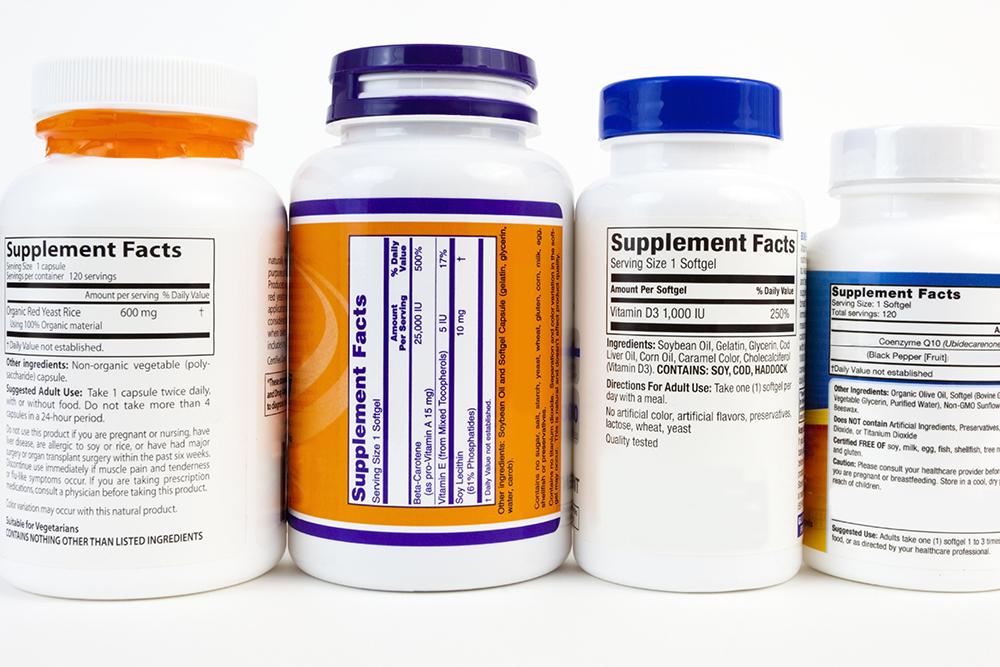 Unfortunately, dietary supplements may also be something that both athletes and parents turn to in the hope of performance gains and recovery support. This is problematic because dietary supplements are regulated post-market, which means the Food and Drug Administration (FDA) doesn’t evaluate or approve products that are marketed as supplements before they hit the market, making them extremely risky for all consumers. There have been countless examples of “supplements” contaminated with steroids or prescription drugs, as well as manufacturers that intentionally and illegally include harmful or illicit ingredients without listing them on the label.
Even worse, many of the riskiest supplements are marketed toward athletes and those looking to support athletic performance. The FDA reports that supplements for muscle building, energy, and weight loss are most frequently spiked with powerful and dangerous ingredients, including steroids and pharmaceuticals. As such, it’s critical that parents help their young athletes avoid supplements in these categories. Keep reading to learn more.
Muscle Building Supplements
To produce results, supplements marketed for muscle building may contain steroids and substances that act like steroids, such as stanozolol. These powerful substances can lead to serious health effects, including liver injury, heart attack, kidney damage, and stroke.
 Between July 2009 and December 2016, the FDA identified 35 reports of serious liver injury while assessing hundreds of reports detailing adverse events from supplements. The FDA reports that some of those liver injuries were life threatening. Anabolic steroids have also been associated with psychological effects like increased aggression, irritability, and depression.
Some of the most common contaminants in muscle building supplements are called Selective Androgen Receptor Modulators (SARMs). These substances, such as ostarine and LGD-4033, have anabolic properties like steroids and are often included illegally in supplements despite being classified for investigational purposes only. Other muscle building products contain substances like dehydroepiandrosterone (DHEA), which disrupts normal hormonal systems in the body.
When it comes to recognizing risky muscle building products, parents should be aware of marketing that claims the product is a ‘legal alternative to anabolic steroids’ and products that promise performance enhancement.
Energy and Pre-Workout Supplements
Pre-workout supplements and products promising energy boosts are popular and easily available, whether it’s online or on the counter at the gym, as athletes of all ages look to both increase and optimize their training sessions. These supplements typically contain stimulants, such as caffeine, yohimbine, and bitter orange extract, which may be used in dangerously high doses to produce perceptible effects.
Stimulants have been associated with both physiological and psychological side effects, including tremors, increased heart rate and risk of stroke, heart attack, and cardiac arrhythmia, as well as insomnia and anxiety.
The use of energy and pre-workout supplements is especially problematic because, in addition to the unknown and risky levels of stimulants in the supplements, users often consume other products – like energy drinks – that also contain caffeine. Combined with exercise, high levels of stimulants in the body can lead to significant strain on the heart and the more severe side effects noted above.
Weight Loss Supplements
 Young athletes in certain sports, such as gymnastics and running, may be especially susceptible to the marketing around weight loss supplements, which often promises quick and dramatic results. According to the FDA, the manufacturers of weight loss products sometimes look to produce results by mixing and adding in powerful pharmaceuticals, like the active ingredients from blood pressure, seizure, and antidepressant medications. In another example, the FDA reports that it has identified numerous weight-loss products that illegally contained the prescription drug ingredient sibutramine, which was used in a medication that was later removed from the market because it caused heart problems and strokes.
With these risky ingredients and combinations of ingredients, the FDA has processed many reports of harmful side effects from weight loss products, including heart palpitations, increased blood pressure, stroke, seizure and death.
__________________________
Takeaway
While it may be easy to assume that young athletes need supplements to recover and perform at their best, all supplements come with some amount of risk because their ingredients aren’t confirmed by the FDA. The riskiest supplements are those marketed for muscle building, energy, and weight loss, so parents should be particularly diligent to make sure their athletes aren’t using these products. At the end of the day, a food-first approach to fueling and recovery is all most athletes need to perform at their best.