

 If you have ever volunteered or been elected captain of your team, you likely already know that leadership does not just mean being the most well-liked or popular person on the roster. Leadership, even if your primary job is simply moving your team through warmup drills, is about much more than if your teammates like you.
Board-certified family physician and TrueSport Expert Deborah Gilboa, MD, unpacks exactly what it means to be a true leader.
Respect, Not Popularity
“When you’re in high school, popularity and leadership may feel like exactly the same thing … or at least, it does until you’re put in a position of leadership,” says Gilboa. “Imagine you’re in charge of younger kids at a summer camp. When you’re in charge of them, at first you may want them to like you or think you’re cool, because then they’ll listen to you. But that’s not true. They have to respect you, or they won’t listen to you.”
She adds, “There’s a difference between popularity and respect. Popularity is doing what people want, and respect is doing what people need.” Picture yourself at practice, leading the team through warmup drills. Your team might like you if you say, “Sure, we can skip sprints today.” But what they need to perform at their best is to do those drills to the best of their abilities. So even though sprints may not be what the team wants, sprints are what the team needs.
Think Back to Leaders You Remember
“Try to remember a teacher, coach, or team leader who made a positive impression on you or who made you a better athlete or student. You probably didn’t always like them, but you really respected them,” says Gilboa. “They probably made you work on things that you needed to but were not the most fun to focus on. But they never asked you to do something they wouldn’t do.”
Ask yourself, how did that person lead? What did they do?
Leadership Is for Many Types of People
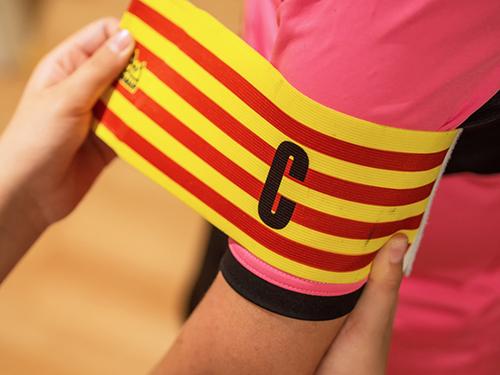 When you picture a team leader, you may automatically picture the movie star version of a team captain: the popular, extroverted person who is incredibly skilled in the sport and is willing to push their team to its furthest limits to win the state championship. But any personality type or skill level can make a great leader. “It’s not only about being tough. You don’t even have to be tough to be respected,” says Gilboa. “You don’t have to be extroverted or loud to be respected either. You just have to be willing to tell people what they need, even when it isn’t what they want.”
Practice What You Preach
While Gilboa says that leading means doing what your teammates need versus what they want, she adds that the critical difference between a good and bad leader is the willingness to do those things yourself. “If you’re asking some of your players to do drills that are boring or painful, you need to be in there doing them alongside your teammates,” says Gilboa. “You shouldn’t ask anyone to do something that you wouldn’t.”
Be Mission-Oriented
 If you are the team leader, learn your team’s values and objectives for the year. “Start off by asking your team why they’re there,” Gilboa suggests. “Get your team to create their mission for this season. One team’s mission might be to crush finals; one team’s might be to improve their record; another’s might be to be the most respected team at the school. It can vary widely. But create one unified vision for what it means to be on the team. Then, every time they’re slumping during the season, you can point back to the mission. You’re not asking them to do something because they like you, or even because they trust you; you’re asking them to do things because it will move the team closer to their mission.”
Stand Up for Your Team
Students, especially high schoolers, should be part of high-level decisions about athletics at their school, particularly when it pertains to their specific sport. Because of this, as team leader, part of your job is advocating for your team and demanding that seat at the table. If there is a big coaches’ meeting, student leaders should be included, says Gilboa. That may not be how your school operates now, but it is something you can discuss with your coach. A real leader does not just help the team move through drills at practice; a real leader also stands up for the team and ensures the team understands what conversations are happening and why certain decisions are made. Players will not always agree with those decisions, but they have the right to know. You are the bridge between your team and the institutions that control it.
Being a Leader Is Worth It
Being a leader is a lot of work. But, as Gilboa says, it also brings a lot of reward. “When there’s success, whether it’s a new record or a championship win, you have more ownership over that. And, leading a sports team will teach you how to lead in any situation. You’ll recognize what good leadership is, and you’ll be able to use those skills when you choose to.”
Want to be Popular? Do a Different Job.
 If popularity is your goal — and that’s fine if it is! — then Gilboa says you may want to opt out of being team leader and find another role within the team. “For example, imagine you’re new to a school and you don’t know anyone, so you join the soccer team hoping to make some new friends,” Gilboa says. “Getting onto the team and taking a role as team captain might seem like the best way to meet everyone and get to know them, but it’s actually going to put a lot of pressure on you, and it may even make it difficult to make friends easily because you need to focus on what the team needs, not what you want. Instead, you can lead from behind. You can work hard for the team without claiming an official leadership role. In this capacity, you can be the person who plays a kazoo for everybody’s birthday or decorates their lockers before a big meet.”
_______________________
Takeaway
If being popular and making friends is your primary focus on a team, being a leader may not be your best option. However, if you want to help your team succeed and you’re hoping to boost your leadership skills, which will help you later in life, then being a team leader is a great way to do just that. But don’t take the position lightly: It comes with a lot of work and responsibility!