For athletes, injuries can cause the same feeling of grief that comes from losing a loved one. Athletes may experience denial, anger, bargaining, depression, and hopefully, acceptance (along with a full recovery!). But during the process, it can feel difficult for a caregiver to know how to best help an athlete navigate grief.
Here, TrueSport Expert Dennis Coonan, Program Manager of the Sports Medicine Center and athletic trainer at the Children’s Hospital Colorado, breaks down the stages of grief through the lens of a sports injury, and provides advice for caregivers who are trying to help their athletes cope.
Injuries often create grief for athletes like other traumatic losses might
For caregivers, it’s important to understand that an athlete’s injury—especially one that may take them away from their sport for a significant period of time—isn’t just a physical trauma. It’s a mental and emotional one. And while losing a few weeks of playing time may not seem like a traumatic experience to you, it can feel catastrophic for a teen athlete with dreams of playing in college. Coonan also explains that for many athletes, their identity and self-worth are closely tied to their athletic prowess, and an injury can cause a seismic shift in how they feel about themselves.
The changes in exercise, sleep, and dietary patterns that often occur post-injury can also exacerbate these feelings. Coonan adds that some athletes, especially those with a longer-term injury, may struggle with body composition changes and body image issues that stem from not being able to exercise as much as they had been in the past.
For caregivers, the most important thing to remember is that your athlete’s feelings are valid. It may seem silly to you, but for them, it can truly feel like life as they know it has ended. So lead with empathy and openness, rather than shutting down their complaints.
The good news for caregivers is that often, this grief follows the same pattern of denial, anger, bargaining, depression, and acceptance. “If you can recognize the stage of grief that your athlete is in, you can support them effectively in different ways,” says Coonan. “You can help give them the best chance of moving forward, where they can be productive in their recovery as an active participant rather than just sitting back and hoping something good happens.”
Denial
Denial is incredibly common for athletes, especially for injuries that are less obvious. Sprains, strains, back pain, and even concussions can be largely invisible, and an athlete who doesn’t want to give up playing time may try to play through an injury or deny that it happened at all.
When an athlete is in denial, they often won’t listen to a caregiver who is assessing an injury, which is why Coonan suggests looking for an outside opinion. This way, you’re supporting the athlete and simply asking them to allow another expert to confirm what they believe. “Usually, an athlete is open to the evaluation because they’ve convinced themselves that they’re okay,” he explains. “If a diagnosis comes back that’s going to affect the rest of their season or career, that’s when you can start seeing them go into those next stages of grief.”
Anger
Once an injury is confirmed, don’t be surprised when your athlete shows signs of anger. It’s hard to be on the receiving end of this, but ultimately, if they’re showing you their anger they know you are a safe place for them to vent. “I used to tell my athletes all the time that it’s okay to be upset. This injury is a big deal and we need to validate their anger,” says Coonan.
At the same time, it’s important to put a specific time limit on that anger so the athlete doesn’t get stuck. “I tell athletes that I’m going to let them be angry for about a day,” says Coonan. “But after that, we need to start talking about next steps and what recovery looks like for them.”
They might still be angry when that time limit is up, but at that point, Coonan explains that it’s okay to put a stop to any outbursts. “You can validate that they might still be angry, but they need to be looking at what’s next, not shutting down or lashing out,” he says. “Lashing out at teammates, doctors, coaches, athletic trainers, and caregivers may happen, and in those situations, it’s okay to validate your athlete’s feelings while telling them the behavior isn’t appropriate.”
Bargaining
Bargaining can be the trickiest stage of grief for a caregiver to navigate. While we want athletes to be able to advocate and negotiate for themselves around return to play, a caregiver’s primary concern has to be their athlete’s health and safety.
“Most often, bargaining can be mitigated by discussing the injury with that athlete and establishing a return to play plan,” says Coonan. “The more transparent the plan, the easier it is to avoid the bargaining.”
But sometimes, the athlete will ask a question like, ‘Why can’t I just put a brace on and go play?’ In those cases, Coonan says it’s important to listen to your athlete, but to be clear about the long-term and short-term risks associated with decisions like that. “Make sure they understand the facts and understand the science behind their injury,” he says. “Too often, I see three-month recoveries become nine-month recoveries because of early return to play.”
Depression
To be clear, depression in this context isn’t referring to clinical depression that requires medical intervention—in cases where you suspect an athlete is showing signs of clinical depression, seek professional help. But if your athlete is simply a bit down in the dumps after going through the other stages of grief, that’s to be expected.
“There’s usually a point where an athlete just gets super in their feelings,” says Coonan. “Of course, caregivers should be on the lookout for signs of clinical depression, especially if the athlete has any history of depression or anxiety. But typically, it’s less severe than that, and more related to the loss of identity that can come with the injury.”
“We forget how important sport is to kids, especially if they’ve been playing for years. If you’re a football player and you tear your ACL, you’re likely going to be out for a year. And all of a sudden, everything in their life is different and their routine is upended.”
To move through this, Coonan explains that caregivers need to help athletes understand that injuries and recovery are part of the sport. “An athlete has to approach their recovery the way they approached their sport,” he says. “Help them make new routines that focus on recovery.”
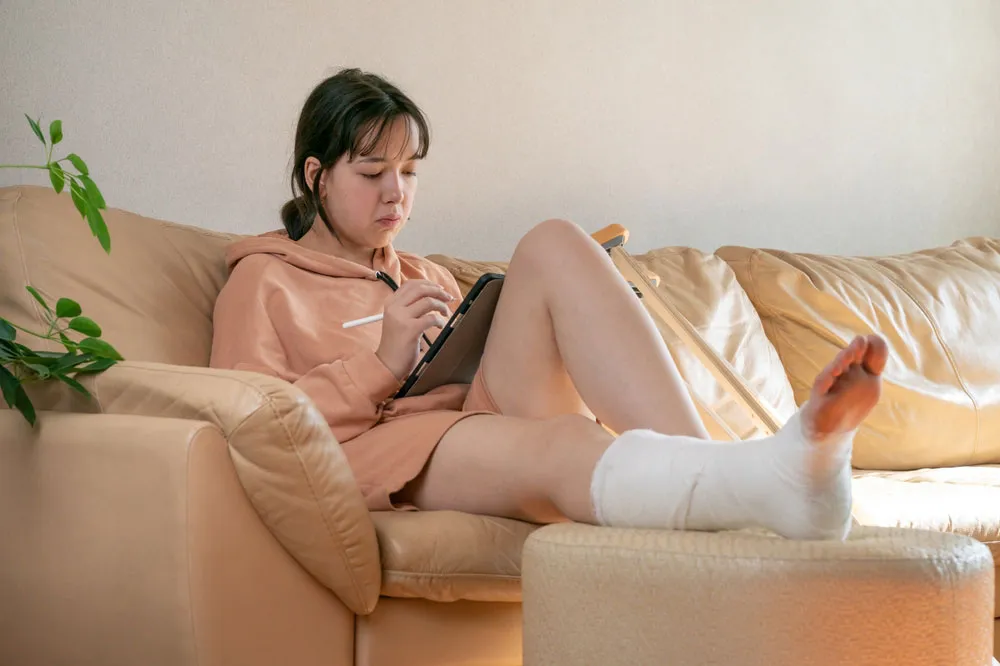
Also keep an eye out for isolating behaviors. “Athletes can very quickly find themselves isolated, especially if they’ve been told they can’t be up on their feet,” says Coonan. “So many of their friendships are tied up in their sport, so not being part of practice and competition can mean they’re no longer getting that social time with friends. They retreat to their room, stop texting people, and disconnect.”
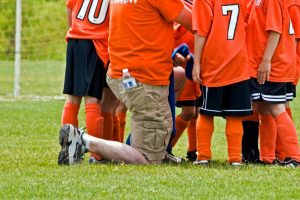
In those cases, Coonan suggests reaching out to some of the athlete’s teammates or the coach to ask them to get in touch with your athlete. And if it’s feasible, let your athlete go to practice and games so they can still be a part of the team, even from the sidelines.
Acceptance
Finally, there’s acceptance, which is usually tied to the athlete’s recovery routine and return to play plan. “Having clear goals and expectations is key,” says Coonan. “Make sure they understand from the beginning what needs to happen for them to return to play. Don’t lie to them or make promises that you can’t keep.”
The stages may continue to cycle through as the athlete progresses through their injury. For example, a setback in recovery may push the athlete back into anger or bargaining. “Help your athlete be proactive,” says Coonan. “This may mean working with a sports psychologist or a registered dietitian, or asking for more help.”