

 You may have heard about the importance of B vitamins for young people, especially athletes. But before you head to the store to buy a supplement for your athlete, let’s dig into a few of the nuances you should know about when it comes to vitamin B supplementation through food and other sources.
Here, TrueSport Expert Kristen Ziesmer, a registered dietitian and board-certified specialist in sports dietetics, is digging into the science of vitamin B, and everything you need to know as a parent.
Why do we need B vitamins in the first place?
“B vitamins control many important functions of the body’s nervous system and nerve transmission, which obviously are going to be important for performance as well as general health,” says Ziesmer. That’s why they’re one of the essential vitamins required for anyone, but especially growing athletes.
If we need them, shouldn’t we supplement with them?
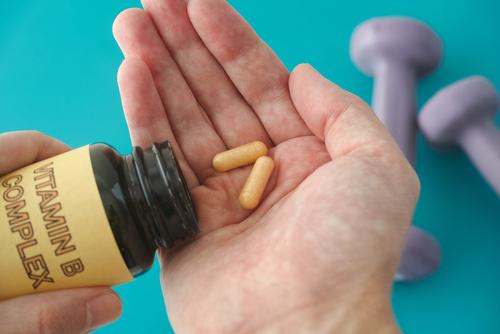 Ziesmer explains that supplements that are ‘packed with vitamin B’ might sound great but won’t do much good. “B vitamins are water soluble, so you can’t expect one big dose to do something,” she explains. “If you’re not deficient in them and you take in a big dose of the B vitamin, your body is only going to be able to utilize a small amount at that time—about as much as you can get from a food source that has B vitamins in it—and you’ll be peeing out the rest of the vitamins.”
What about taking vitamin B for energy?
Often, B vitamins are seen in energy-boosting drinks as well as supplements. Ziesmer says those claims are misleading, and young athletes should definitely stay away from high-caffeine energy drinks or supplements. The B vitamins in those energy drinks also won’t boost your energy unless you happen to be severely deficient, she adds, so they aren’t a quick fix.
Is it possible to be deficient in vitamin B?
Absolutely—but deficiencies should be diagnosed and treated by a medical professional. “There are certain medical conditions that would make you not absorb certain vitamins, including vitamin B,’ Ziesmer says. “Different types of anemias may be causing issues with absorption, as can some gastrointestinal problems like celiac disease.”

What are symptoms of vitamin B deficiency?
“If your athlete is chronically tired, experiencing a lot of fatigue, or suddenly not performing well during workouts and it seems to be getting worse despite eating well and getting plenty of rest, it’s time to take a trip to the doctor and get some blood tests done to see if the athlete is deficient in certain vitamins or minerals,” says Ziesmer.
Will a doctor automatically check for a vitamin B deficiency?
Unfortunately, many doctors will check for the more obvious iron or vitamin D deficiencies in athletes, but will skip looking for less-common deficiencies like vitamin B. Some doctors may even dismiss symptoms like fatigue as being typical for teenagers. That’s why Ziesmer says it’s important to advocate for your young athlete and ask the doctor to run specific blood tests if you’re concerned about your athlete’s health.
What foods are high in vitamin B?
 While meat tends to be the go-to source for vitamin B—especially organ meats and salmon—many foods are fortified with B vitamins or naturally contain smaller amounts. “Whole grain fortified breads and cereals, legumes, tofu, nuts, seeds, tahini, bananas, asparagus, dark leafy vegetables, avocado, seaweed, eggs, dairy, oysters, clams, mussels—all of these contain certain types of B vitamins, so eating a varied diet with plenty of whole foods is typically enough to ensure you’re getting all of the vitamins in the B family,” says Ziesmer.
What about vegan and vegetarian athletes?
While it’s true that vitamin B12, specifically, is primarily found in animal food sources, it can still be found in some vegan and vegetarian foods—no supplement required. “You can find plenty of B vitamins, including B12, in nutritional yeast flakes, fortified foods including cereals, and even in most meat substitutes like soy crumbles,” says Ziesmer.
Can supplementing with vitamin B help?
“If your athlete’s diet is poor, then the priority should be improving your athlete’s diet by adding in healthier foods that provide the B vitamins,” Ziesmer adds. “A balanced diet should provide all the necessary B vitamins and any excess intake through supplements will only be excreted in the urine. Limit supplement use to when it is recommended by a doctor.”
______________________
Takeaway
Vitamin B can be found in many whole foods, and while B12 is slightly more difficult to find for vegan and vegetarian athletes, it is possible to eat a diet rich in all the B vitamins by using options like nutritional yeast and fortified foods. If you’re concerned your athlete is exhibiting symptoms of a deficiency, make sure to ask your doctor to test for a deficiency and follow the recommended treatment plan.