
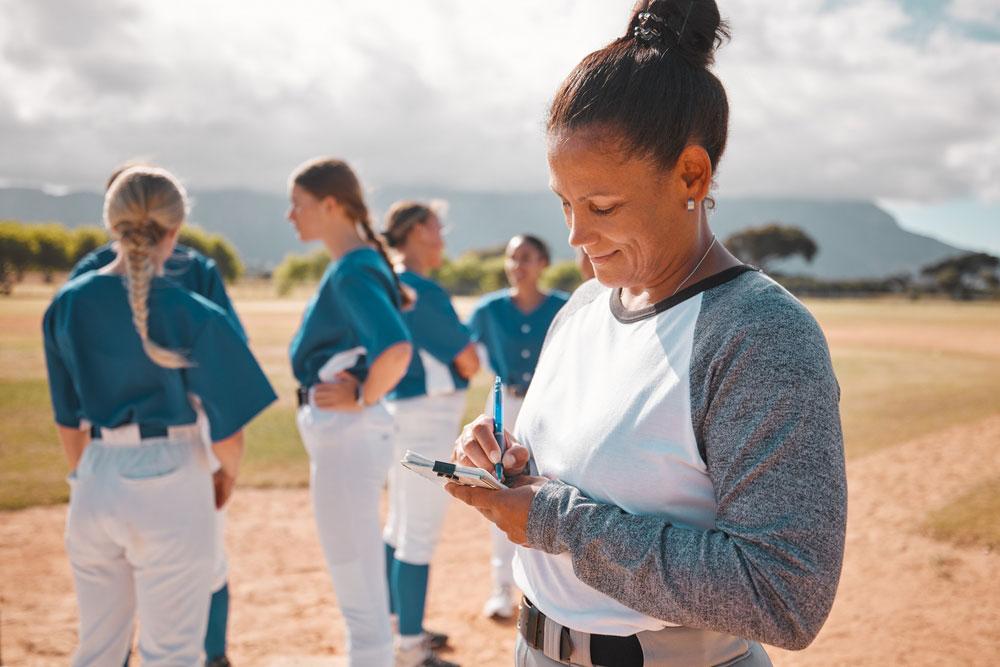
 Do eight-year-old athletes really need to be told who the best player on the team is? Should 10-year-olds be wildly celebrating wins and mourning gameday losses? Athlete rankings—both team and individual—can do more harm than good in early developmental years in sport. Not only do the rankings potentially discourage late bloomers from continuing in a sport that they might otherwise love, but rankings can actually hurt high performers as well.
Here, TrueSport Expert Amanda Stanec, PhD, the founder and owner of MOVE + LIVE + LEARN, explains how ranking systems can be harmful to young athletes, and how a coach can navigate making gains as a team without an extreme focus on numbers.
How Rankings Hurt Athletes
As a coach, pause and ask yourself why you care about ranking kids in the first place, says Stanec. “Kids aren’t professional athletes, they aren’t nearly finished growing and developing, and ranking them at an early age makes very little sense from any perspective,” she adds. The emotional toll of being ranked first or last (or stuck in the gray zone in the middle) can be hard for young athletes, and from a practical physical perspective, your highest-ranked player could change depending on when kids hit puberty or have growth spurts.
 “Rankings cause too much attention to be focused on the individual, and this can stunt development in a variety of ways,” Stanec adds. “Rankings create this culture of playing for the short-term wins, instead of focusing on the long-term plan to help kids develop and reach their potential.” This isn’t just true of youth athletes under 12. This is also true of teen athletes, even at the high school level.
“Focusing on winning rather than developing all the athletes is also more likely to hinder team chemistry, as some coaches will play those experiencing success early in the season and fail to give others a chance to prove themselves,” Stanec says. “When the team chemistry falls apart, I’d argue that you’re much less likely to achieve that high ranking as a team anyway.”
So why do we rank kids if there isn’t a positive outcome? Because adults seemingly enjoy applying adult constructs to youth sports. “There don’t seem to be positives to ranking youth athletes, other than serving adult egos,” Stanec says. “Championships and rankings are adult constructs that we’re putting on kids when it is not age or developmentally appropriate to do so.”
What a Coach Should Do Instead
Maybe your director has said that rankings matter, or you’re aware that colleges are looking at competitive high schoolers for scholarships. So, rankings matter, right? Not really, argues Stanec. Even if you can’t avoid rankings in high school, you can deemphasize them and simply focus on the daily behaviors that will optimize results.
“When you keep a sport enjoyable—and enjoyable includes competing at your best and being an exceptional teammate—you develop stronger athletes who stay in sport longer,” says Stanec. “That means your retention is better, so your chances of developing better players actually grows when you stop emphasizing who’s doing the best.”
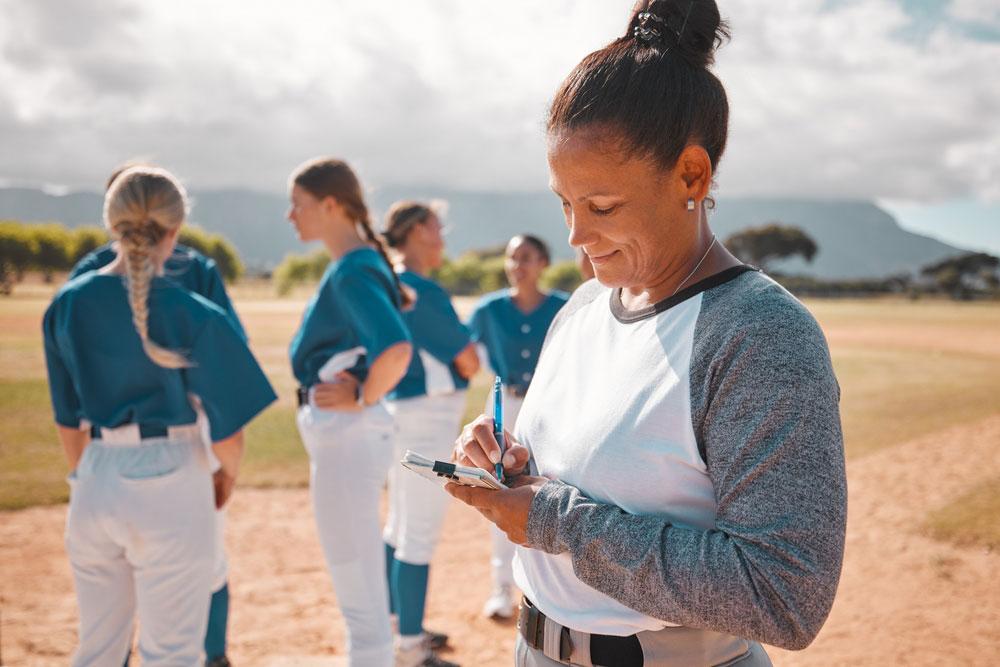 Rankings can also be a hard metric to work with as a coach. “You can’t control how good the other team is. You can’t control the officials. All you can control is what you control,” says Stanec. That means focusing on process goals for your players rather than game day outcomes.
“Remember, this isn’t about avoiding competition: As a coach, your goal is to have every athlete do their best. A focus on development doesn’t mean you don’t care about the win. It means that the decisions you make in pursuit of winning are made from a developmental lens. Some people think that focusing on development means losing, but you will win more when you are centered on development and the growth of each player.”
However, Stanec does note that some pushback from parents may come when you make the shift to long-term development. “I’d be remiss to not mention that there is privilege in this conversation,” she says. “Some parents are simply over-competitive, but for other parents, that competitive nature comes because sport could be their child’s only chance at affording school. So have empathy and understanding. Help educate the parents who don’t understand your position.”
_______________________
Takeaway
Rather than focusing on individual or team-based rankings, focus on developing young athletes as happy, healthy humans. This doesn’t mean giving up on competition—it simply means rewarding hard work and growth rather than number of goals scored. If you emphasize the work rather than the result, your team will still see gains and you might be surprised by which players make the biggest improvements.