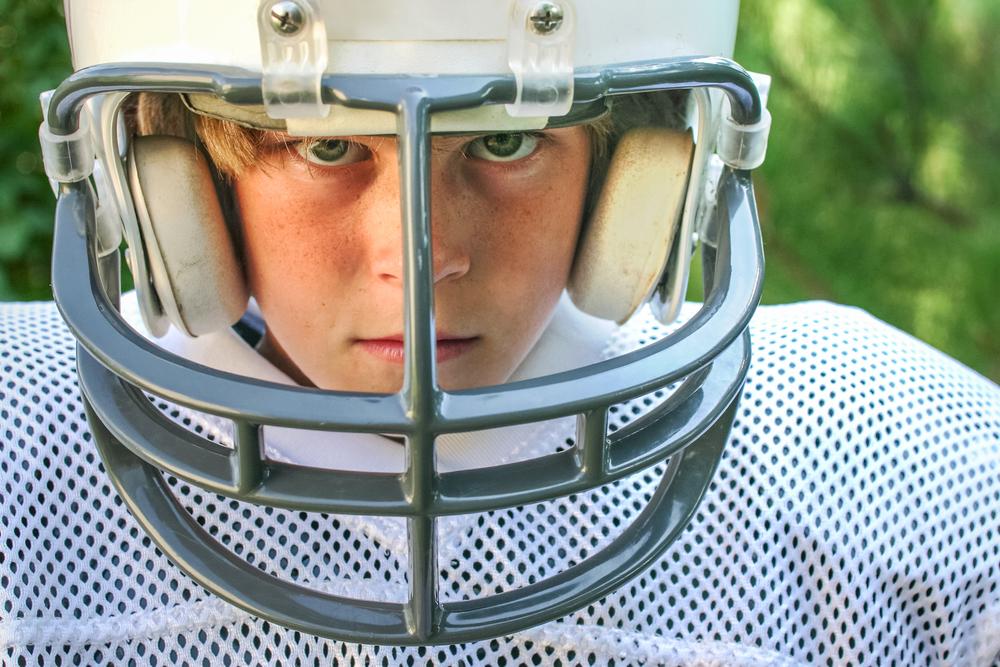


Concussions continue to be one of the most common injuries seen in young athletes, but treatment approaches to concussion continue to evolve and these changes can be confusing to athletes, families, coaches, and educators.
With that in mind, Michele LaBotz, MD, TrueSport Expert and sports medicine physician, shares the latest information on concussions in young athletes.
Concussion Recognition
There is a lot of variability in the type and amount of force required to cause a concussion. As LaBotz explains, “Some concussions are obvious when they occur, but others can be much more difficult to sort out on the sidelines.” While it is important to remember that the diagnosis of a concussion can only be made by a health care provider, many head injuries occur when no providers are present. A concussion recognition tool has been developed to help guide non-medical personnel when making sideline assessments of athletes with a suspected concussion.
Not All Concussions are Created Equal
Every concussion is unique. LaBotz notes that concussions are no longer “graded” by severity, but there are some that create longer and more severe symptoms than others. Some concussions produce immediate symptoms, while others present symptoms that emerge over 24-48 hours. “We don’t have a full understanding of the reasons for these differences, but it appears that concussion symptoms and recovery are impacted by factors such as prior concussion history, sex, pre-injury mental health, and a personal or family history of migraine,” LaBotz states.
Three Key Roles for Health Care Professionals
- Evaluate athletes with a suspected concussion and determine a diagnosis.
- Identify specific concussion-related factors that may benefit from dedicated treatment and help guide “return to learn” and “return to play” processes. For example, athletes with balance or vision issues often benefit from dedicated rehabilitation and school accommodations.
- Clear athletes for returning to sport. LaBotz notes that it is important to recognize that after clearance from a health care provider, athletes still need to go through a “return to play” progression, ideally under the guidance of an athletic trainer.
The Concept of “Rest” has Changed
“We now recognize that the ‘right amount’ of physical and mental activities are key components to concussion recovery, and the concept of ‘relative rest’ is now used to describe activity recommendations for young athletes with concussion,” says LaBotz.
Relative rest includes:
- Allowing daily activity that does not aggravate symptoms within the first 48 hours.
- Beyond 48 hours, a progression of physical and mental activity is often initiated, and it is common for athletes to report an increase in symptoms. Mild increases in symptoms are to be expected and do not interfere with activity. LaBotz reports that an appropriate increase is often described as an increase in 2 points on a 10-point scale (e.g., a headache that is a “3 out of 10” may go up to a “5”). If an activity worsens symptoms beyond this degree of change, it is “too much” and should be changed or reduced in intensity.
- Any activity that places the athlete at increased risk for additional head injury should be avoided until cleared by a health care provider.
Connectivity is Key
Maintaining social connectivity after a concussion is important for recovery. For most adolescents, this includes both in person and virtual interactions. Some athletes will have difficulty with screen time after concussion, especially within the first 48 hours, but screens can be re-introduced as tolerated using the “relative rest” guidance outlined above.
Getting Back to the Books
Many athletes report initial difficulties with academics after concussion, and school personnel should be informed of the injury so that appropriate accommodations can be made. However, it can be helpful to recognize that 93% of concussed athletes are back to full academics without accommodations within 10 days. LaBotz recommends that athletes who are not showing good progress back to full academic participation within this time frame should inform their healthcare provider.
Getting Back on the Field
“While many aspects of concussion management have evolved over the past few years, there are a few things that remain unchanged,” LaBotz states. This includes the concept that athletes must be symptom-free at rest and during high intensity activity, and back to their prior level of academic performance before clearance to return to potential contact activity. LaBotz reports that “readiness to play” incorporates both physical and mental components and that completion of a full return-to-sport progression is key to minimizing risk or recurrent concussion or other injury.
Prolonged Symptom Sets
Recovery from concussion does not happen in a straight line. “Some days may be better than others, but the general trend should be overall improvement over time,” says LaBotz. Factors that may provoke slow recovery or a transient worsening of symptoms include changes in sleep (too much or too little), stress, and overdoing mental or physical exertion.
Although most young athletes will experience a complete recovery from concussion within 1-2 weeks, up to 30% will experience symptoms that last for 3 weeks or more after injury. Athletes with prolonged symptoms should discuss these with their health care provider. Athletes with pre-injury issues with vision, migraine headaches, attention, and/or mental health may experience worsening of these conditions after injury and may benefit from additional treatment. For some athletes, another potential cause for prolonged symptoms is from a change in the balance between the sympathetic nervous system (the “fight or flight” response) and the parasympathetic nervous system (the “rest and digest” response). This imbalance in the nervous system often produces delayed symptoms that may not be noticed until athletes are returning to prior levels of activity.
Putting A Lid on It
Concussion prevention continues to be an area of active research, with a focus on the following areas:
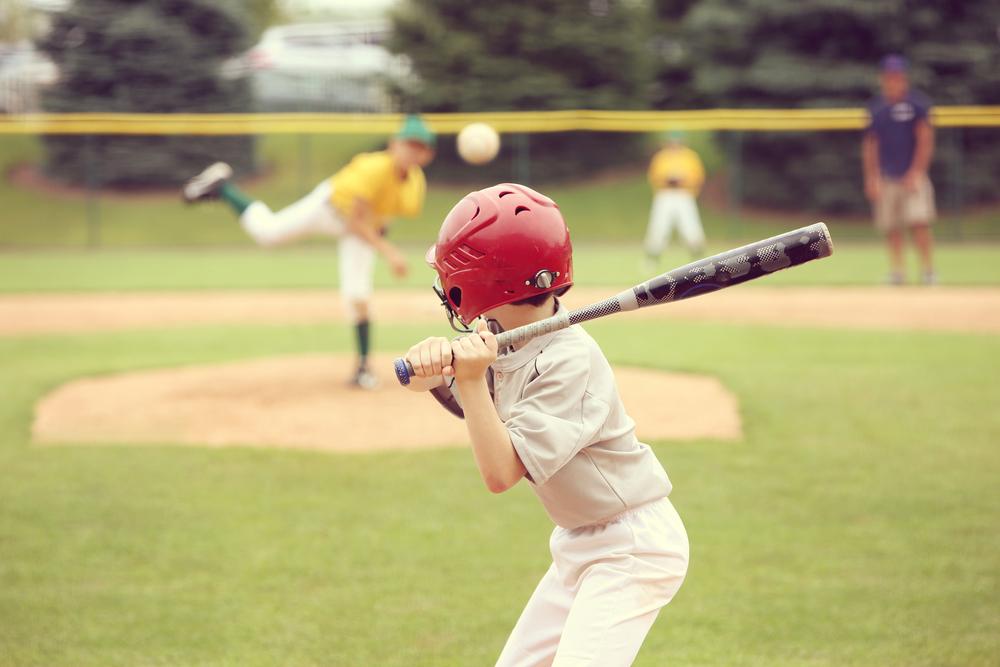
- Helmets: LaBotz emphasizes that fit is a key factor in optimizing helmet-related protection. Studies in youth football show that most players are wearing improperly fitted helmets. Although new helmet designs are reducing impact and rotation forces on the brain during sport, there is little data showing the impact of these newer helmets on concussion risk in young athletes, and the newer helmet designs can be cost-prohibitive for many youth programs.
- Added helmet padding: While some NFL players are sporting soft-shell padding over their helmets, current evidence does not suggest this reduces brain impact or concussion incidence in adult American football players.
- Mouthguards: While most studies do not show mouthguards as helpful, a Canadian study in youth ice hockey demonstrated a significant reduction in concussion risk. LaBotz emphasizes the importance of mouthguard use in preventing dental injury in many sports and recommends their use regardless of any potential impact on concussion.
___________________________
Takeaway
An appropriate return to prior levels of activity is an important part of concussion recovery. Athletes should return to easy, light physical and mental activity within a day or two of sustaining a concussion and they shouldn’t be kept in social isolation. Families can work with educators, athletic trainers, and medical professionals to create optimal “return to learn” and “return to play” plans, and remember, athletes must be cleared by a health care provider to return to play after sustaining a concussion.
ORIGINAL PUBLICATION DATE: September 1, 2023