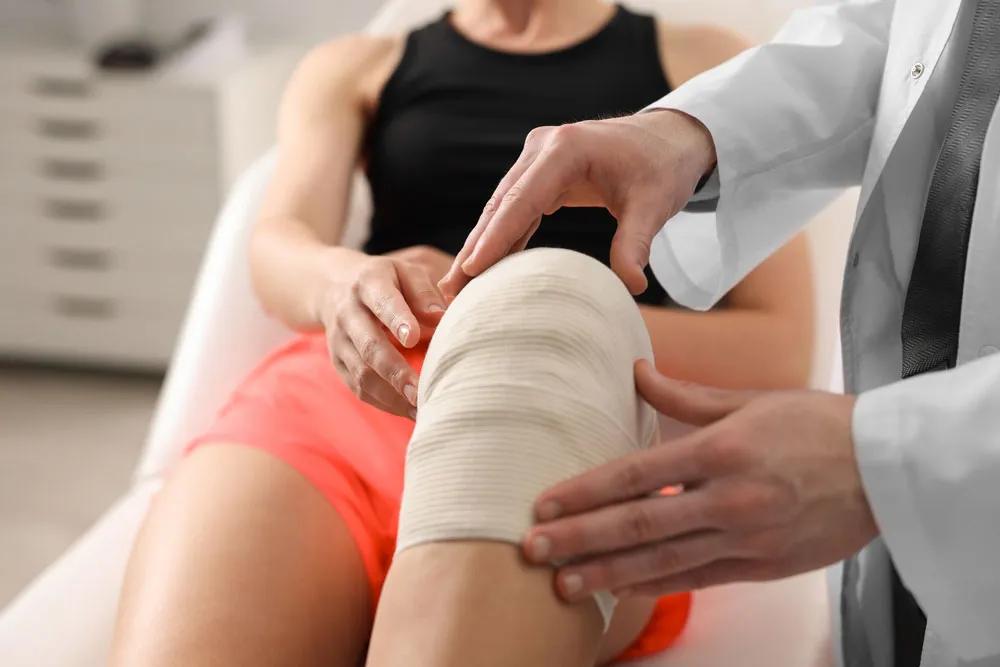
Injuries that force an athlete to take a break from their sport are common. And the impact isn’t just physical: A forced break from sport can be emotionally painful as well. For many athletes, coping with the injury, recovering from it, and advocating for themselves during the process can be a huge challenge.
Here, TrueSport Expert Dennis Coonan, Program Manager of the Sports Medicine Center and athletic trainer at the Children’s Hospital Colorado, shares a few strategies for athletes to keep in mind as they navigate the healing journey.
Understand the true impact of injuries
Injury often impacts athlete identity and mental well-being just as much as their physical wellness. Yet, it’s often hard for athletes to ask for help in these situations. Coonan explains that it’s important to acknowledge all the changes that can happen as a result of an injury: First, there’s the acute injury itself, like a broken leg. That injury alone can be hard to cope with, but for an athlete used to a lot of physical activity, the sudden lack of exercise and change in eating habits and hunger cues can be extremely difficult too.
“It can change how you feel and how you look, and in many cases, mental health issues like depression and anger will come along with changes in diet, sleep, and exercise,” Coonan explains. “Your daily life has changed: When you wake up in the morning, you’re not going to a practice anymore. Because most athletes are very routine based, these changes are really hard.”
Build your identity outside of sport now
“To put it bluntly, elite sport is probably not the thing that’s going to take you through the rest of your life,” says Coonan. “You may continue to play sports recreationally, but most high school athletes aren’t going to turn pro. So, injury or not, it’s important to understand what life is like without sport at the center of everything. It’s okay for it to be a driving force at this point in your life, but your overall value on this planet should not be tied to the sport that you play. Because the reality is that it may not be part of your life forever.”
As Coonan points out, even the top athletes have relatively short careers—there’s a lot to life outside of sport. Yet youth athletes often find themselves boxed into a singular sport from a young age, with very few outside hobbies. One of the best preventative steps when it comes to handling an injury or an illness that forces you to take a break from your sport is to already have an identity outside of your sport. In this case, the best defense truly is a good offense.
Find a hobby and try to make friends and acquaintances outside of sport. While it’s great to stay in contact with your teammates through an injury, you may want to also spend time with people who aren’t going to be talking about the next big game.
Focus on the controllables
There will be things that you can control in your athletic life, and those can make a huge difference for your comeback. First, work with a doctor, athletic trainer, sports medicine practitioner, physical therapist, or registered dietitian to come up with a recovery plan. This may include time off, a specific meal plan to follow, working with a sports psychologist, or a simple calendar of training to fully return to play. Having a plan in place can instantly make you feel more in control of your situation.
You also can control how well your recovery goes by being honest about how you’re feeling, and asking questions about your recovery plan. “If you wake up and your knee really hurts from rehab the day before, you have to say something to your physical therapist or athletic trainer,” Coonan says. “Don’t just pretend that it’s fine. Ask why you’re doing the exercise and explain where it hurts. I always encourage these questions, because the athlete should be holding their therapist, athletic trainer, or doctor accountable for the decisions they’re making.”
You should also have an honest discussion with your coach about your situation. Coonan suggests opening the conversation by explaining the illness/injury, then saying that you still want to be part of the team. “I’ve seen this happen, and when the athlete finally recovers from that injury, the coach is so impressed by how the athlete worked and helped the team during their injury that they elevate the athlete to a leadership role or give them more playing time,” he says. “Putting in that work and showing your own dedication to the team really is important. And it gives you a sense of control in your recovery.”
Be proactive about asking for help
It’s important to understand that you don’t have to go through this alone. Coonan notes that being too rigid and trying to control too much—like your caloric intake if you’re concerned about gaining weight while you’re taking time off—can cause problems if it’s taken too far. If you find yourself starting to be rigid about things like counting steps or calories, it’s time to seek outside help.
Coonan points out that suddenly being forced to stop physical activity, plus a change in dietary patterns and socialization patterns can cause a huge emotional strain for any athlete. You may need to seek help in the form of a sports psychologist, a registered dietitian, or a physical therapist, depending on the severity of your situation. This can be an extremely confusing time for an athlete, and asking for help truly is the strongest thing that you can do.
Find the coping strategies that work for you
While not every athlete wants to stay connected to their sport while they recover from an injury, others find solace in continuing to be part of the team. Some athletes may be able to train in certain ways, while others need to take time off from sport. Coonan notes that it’s important that every athlete finds the right mix of movement and camaraderie that works for them, rather than following what another teammate with a similar injury has done in the past.
Options can include:
- Join the team for weight room sessions: You may not be following the same lifting schedule as the rest of your teammates, but injured athletes can often join their team in the weight room to do the strength training and rehab exercise protocols recommended by an athletic trainer, physical therapist, or sports medicine doctor. This allows you to spend time with the team without the pressure of practice.
- Keep stats or otherwise volunteer with the team: If you’re unable to train with the team, you may be able to help in other ways. Filming practices, keeping stats, or taking tickets at a game are all ways to stay part of the team without being on the court or field.
- Assistant coach or lead drills: An injury may be a good time to work on your leadership skills with the team. Talk to your coach about helping lead warmup or cooldown drills, or other ways you can assist with practices or on game day. Because you’re not concerned about your own performance, this is an opportunity to hone your ability to lead the team.