 While June 21 is National Smoothie Day, every day can be a good day to have a smoothie! This is especially true for busy athletes, as smoothies can be easy to prepare and deliver nutrient-dense meals and snacks in an easy-to-drink and easy-to-digest format. Whether your athlete struggles to make time for breakfast or finishes practice and immediately heads to a part-time job, smoothies can be a practical part of an athlete’s daily nutrition.
Here, TrueSport Expert Kristen Ziesmer, a registered dietitian and board-certified specialist in sports dietetics, is sharing a few tips for creating the optimal smoothie.
1. A smoothie should be constructed like a meal
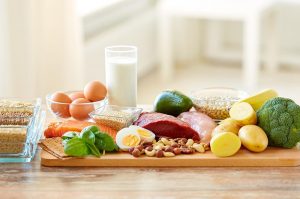
Think of a smoothie the same way that you would think of a whole balanced meal, says Ziesmer. This means breaking your smoothie down into core nutritional components:
- Protein: The cornerstone of every meal for young athletes should be protein, in order to rebuild and replenish muscles.
- Fruit and vegetables: A healthy meal also contains fruits or vegetables, which are packed with micronutrients as well as fiber.
- Simple Carbohydrates: For athletes on the go, adding simple carbohydrates in the form of honey, maple syrup, or even oatmeal can provide the sugars they need to fuel their training.
- Fat: A small amount of healthy fat in the form of nut butter or seeds adds satiety to a smoothie and helps keep your athlete fuller for longer.
- Liquid: Most smoothies will require additional liquid in order to blend. This can be water, milk, or fruit juice depending on your athlete’s preferences.
2. Make prep easy
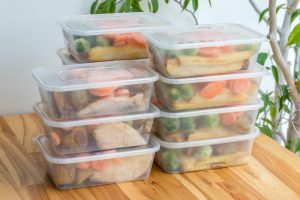
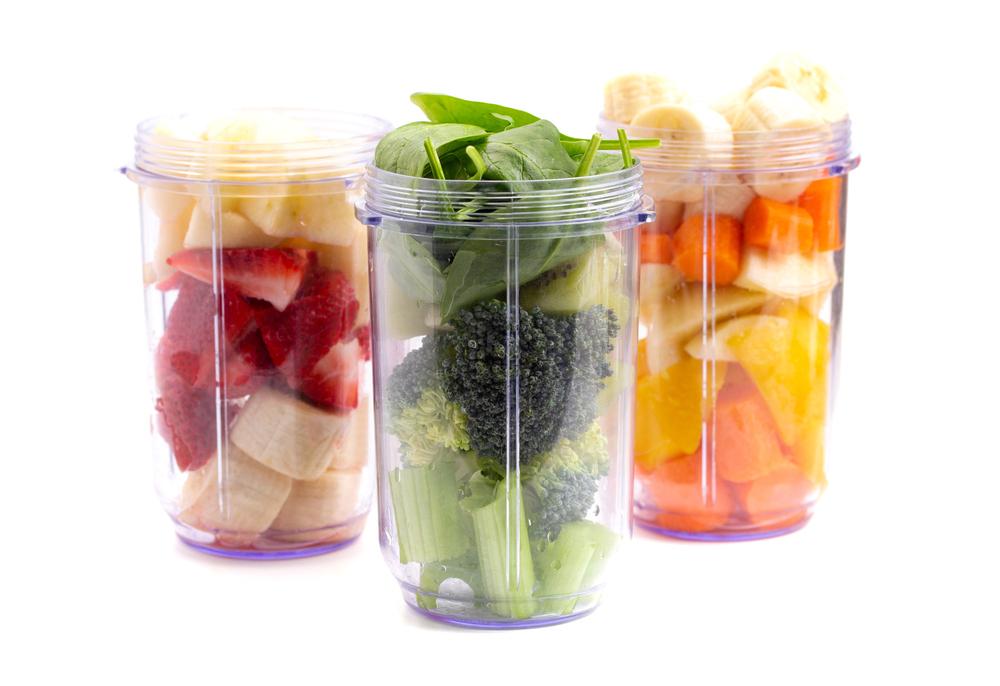
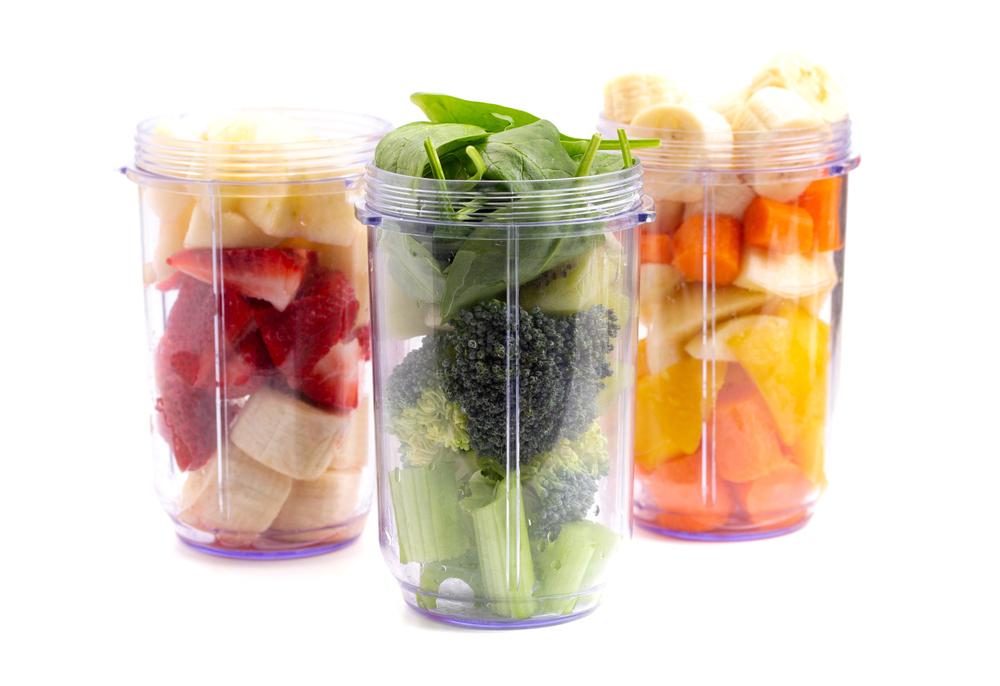 If you have busy athletes and little time to mix up the perfect smoothie every morning, you can meal prep smoothie ingredients the same way you would any other meal. A single serve blender, especially one that comes with multiple blender containers, makes smoothie prep simple. You can combine any of your non-frozen elements in each of the blender containers and stash them in the fridge, then add your frozen elements in the morning, screw on the blender cap, and your smoothie is ready in seconds. You don’t even have to put it in a different drinking vessel for your athlete, since most individual blender jars now come with extra lids for drinking on the go.
3. Get the right amounts of each ingredient
The amount of each ingredient does matter, especially when it comes to protein, so measure out your first few smoothies until you can approximate how much Greek yogurt and other ingredients equal a full serving. The same applies to nut butters—check the serving size and scoop appropriately. If nut butter is your sole protein, then Ziesmer suggests a double serving.
As far as fruits and vegetables go, Ziesmer recommends only a handful in order to leave room for calorically dense nutrients. For sweeteners like honey and maple syrup, she recommends not exceeding a tablespoon, particularly if the smoothie already has sweeter fruits like bananas.
4. Properly choose your protein
Protein should be the base of your smoothie,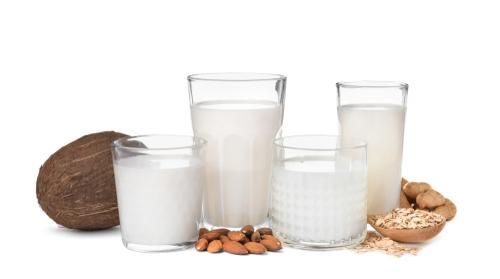 and you should never skimp on it. Aiming for around 20 grams of protein is optimal for any meal, and because it’s such an important component, it’s a good idea to put this in the blender first so you don’t run out of room. Plain Greek yogurt is Ziesmer’s preferred protein option for smoothies, but milk can be a simple and affordable substitute. However, using plant-based milk or yogurt substitutes won’t provide the 20 grams of protein you’re looking for. If your athlete is plant-based or lactose-intolerant, you can add in silken tofu or a combination of peanut butter, chia seeds, or other nut butters with your plant-based milk.
5. Add your fruit and veggies
Bananas are a traditional smoothie staple, as are most berries, but let your athlete’s preferences dictate the fruits and veggies that you use in their smoothies. Sometimes, a mango-pineapple-coconut milk smoothie with chia seeds and a handful of spinach is just what an athlete wants and needs!
Aim for at least a cup of whatever fruits and vegetables you’re using. Also keep in mind that while spinach blends seamlessly into a smoothie to add nutrients like iron and vitamin K, leafy greens take up a lot of space without providing valuable calories. A handful is plenty, so don’t sacrifice more calorically dense additions like yogurt or peanut butter, especially if the smoothie is replacing a full meal.
6. Use a frozen component
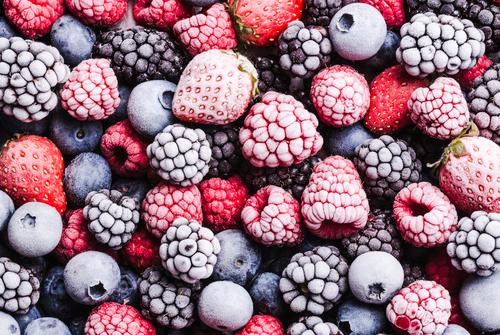 For a more nutrient-dense smoothie that’s a full meal substitute, use frozen fruit instead of ice cubes. Pre-freezing chunks of peeled banana can give a smoothie the consistency and sweetness of a milkshake, and buying frozen berries tends to be cheaper than fresh. If you don’t have frozen fruit, you can add ice into the blender, but make sure that you’ve used enough of all the other ingredients as well.
7. Don’t be scared of sweetening your smoothie
As adults, we tend to assume that adding extra sweeteners like maple syrup or honey is just adding empty calories. But for athletes on the go, it’s important to remember that they do need simple carbohydrates, both before and after workouts. “If your athlete just has a fruit smoothie with blueberries, ice, and water, that’s going to leave them feeling hungry again very soon,” explains Ziesmer.
8. Add extras
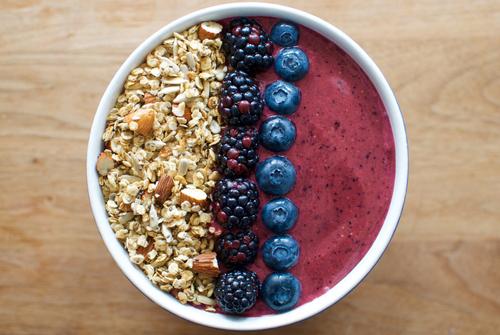 If a smoothie seems too thin, you can add a small amount of instant oats to provide carbohydrates and make the smoothie seem thicker. (Add too much and it becomes chalky, so start with small amounts, cautions Ziesmer.) You can also turn your smoothie into a more satisfying meal by adding a pouch of mixed nuts, dried fruit, crumbled up graham crackers, or granola so your athlete is able to turn the smoothie into a tasty cereal bowl.
______________________
Takeaway
Smoothies are a great option for busy athletes who need nutrient-dense meals on the go, but they’re only ideal if they contain the right ingredients. Smoothies for athletes should have protein, fruits and vegetables, carbohydrates, and a small amount of fat so that they’re satisfying fuel for active and hungry athletes.