 There are so many different cooking oils on the market, and it can be difficult to know which oil is the healthiest to use when cooking or baking for your young athletes. A high-quality oil can provide vital nutrition, and here, TrueSport Expert Kristen Ziesmer, a registered dietitian and board-certified specialist in sports dietetics, is breaking down what you need to know about oil selection and how to pick the right type for any meal.
Don’t be afraid of oil
For many of us who had our formative years in the 80s and 90s, ‘fat’ was a bad word. Salad dressings that were fat-free were the healthy option and adding oil to a dish rather than coating a pan with non-stick spray was heresy for the health-minded. But we’ve since learned that certain fats aren’t just flavor-enhancing, they’re also essential to our overall health.
So, before we discuss which oils to use, Ziesmer urges parents to get rid of any misconceptions about oil being a bad thing. Especially for young athletes who are training hard, the extra calories from oil in addition to the essential nutrients it provides can be game-changing.
All oil isn’t created equal
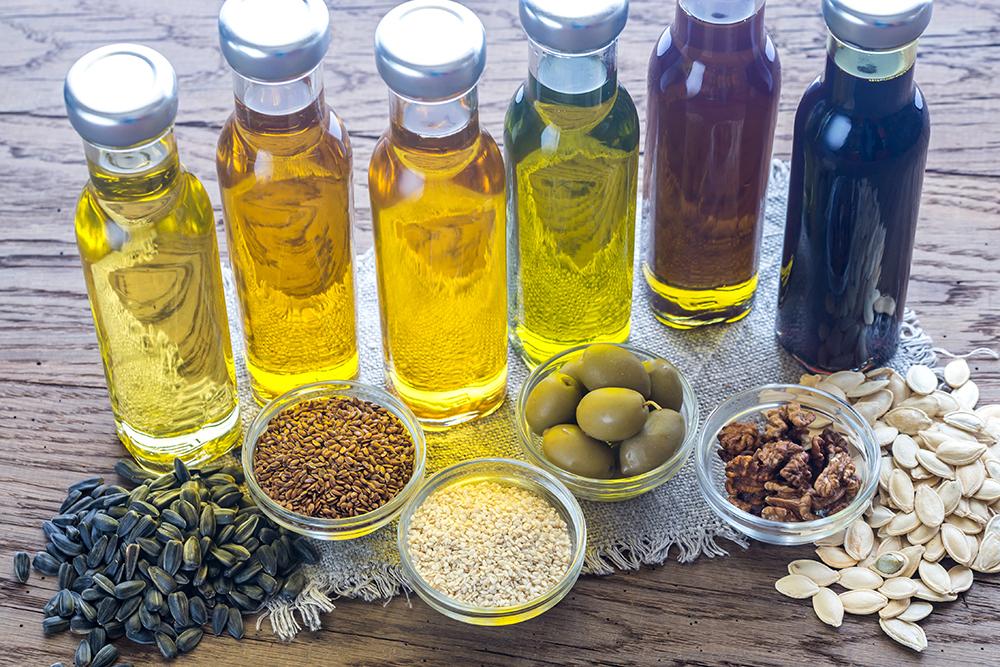 While the caloric content of any oil is going to be very nearly even—about 120 calories and 14 grams of fat per tablespoon—they aren’t all the exact same nutritionally. While all oil is composed entirely of fat, the type of fat in each will differ. It may seem confusing, but there are different types of fats: saturated fats, trans fats, monounsaturated fats, and polyunsaturated fats. Ideally, a healthy diet eliminates trans fats entirely, since trans fats have no positive benefits and can raise bad cholesterol while lowering good cholesterol. Saturated fats should generally be eaten in moderation, while mono and poly-unsaturated fats are important for a healthy diet. Different oils will have different fat profiles: For instance, while olive oil only has two grams of saturated fat in that tablespoon, coconut oil will have 13 grams of saturated fat in the same serving.
Keep it simple, opt for olive oil
To simplify things immensely, a high-quality extra virgin olive oil is your best bet when it comes to oil consumption, says Ziesmer. Olive oil is made up of primarily mono and poly-unsaturated fats, including omega-3 and omega-6 fatty acids, which are critical for brain health. “It’s also rich in antioxidants and polyphenols, especially when you’re using extra-virgin olive oil rather than regular or virgin olive oil,” she adds.
Quality matters
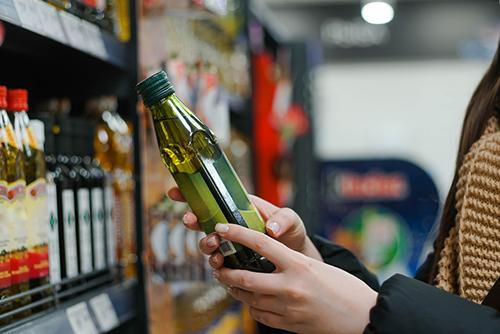 If your olive oil comes in a clear plastic jug, that’s typically a sign that it’s not the best quality, says Ziesmer. Look for dark green glass bottles—and store them in a cool, dark place instead of sitting right on the stove where it gets hot. “Avoid leaving it out in the sun, since that light can break down the antioxidants,” she adds. Sometimes, companies mix other oils in with their olive oil to cut costs.
Ziesmer recommends choosing brands that have been third-party tested for purity—look for the North American Olive Oil Seal when purchasing your olive oil. Can’t pull that list up at the store? Ziesmer’s quick tip is that high quality olive oil will cost more than $10 per liter. If it’s cheaper than that, you’re likely buying a blend.
Pay attention to smoke point
You may have heard that olive oil has a low smoke point compared to other oils, and that’s true, relatively speaking. But the smoke point is still 410 degrees F for a quality extra-virgin olive oil, which means it can stand up to most cooking and baking applications. Just avoid cooking on extremely high heat or baking with it when a recipe calls for high heat in the oven. Once an oil is taken beyond its smoke point, Ziesmer says, it changes structurally, and goes from being a healthy oil to one that’s not so healthy. (Note: Virgin olive oil’s smoke point is considerably lower, so if you’re prone to turning up the heat, definitely make sure you’re using a higher quality extra-virgin oil!)
Experiment with other oils
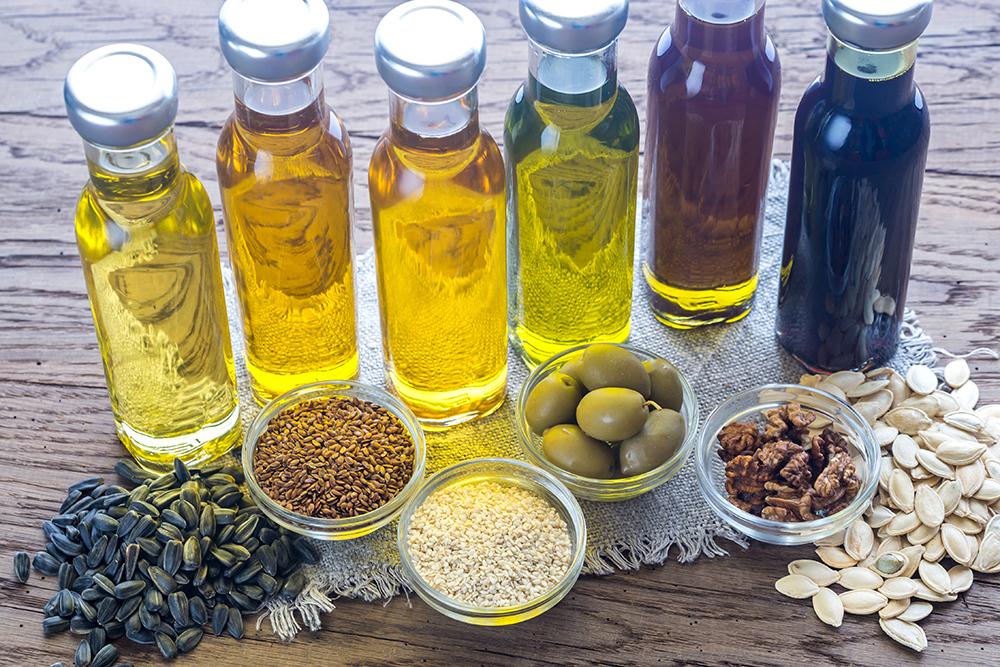
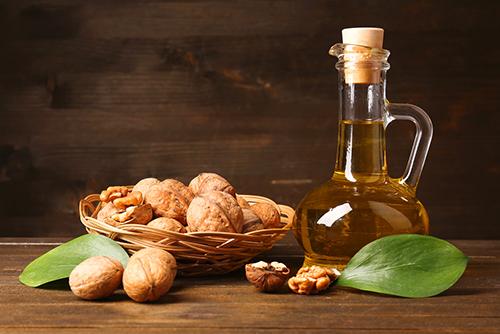 If you enjoy the taste of coconut oil, it’s a great option when roasting vegetables. But because it’s primarily made up of saturated fat, Ziesmer warns that it shouldn’t be used exclusively. There are plenty of other tasty oils available now that add flavor and healthy fats, though typically, they’re not suited for more casual cooking purposes. Sesame and walnut oils can be great additions for a salad or when lightly sautéing vegetables, but have distinct flavors. Avocado oil is another option with a mild flavor, but it has a very low smoke point and shouldn’t be used for anything other than a very light sauté. Feel free to experiment with some of these other oils, since they all have slightly different fat profiles and contain different antioxidants.
Steer clear of these oils
With the exception of coconut oil, Ziesmer suggests avoiding oils that are in solid form at room temperature, since they’re high in saturated fat. This includes shortening and lard, as well as palm oil (which she notes also has environmental problems). “These oils raise inflammation in the body, so not only are they not great from a health standpoint, they also aren’t helping an athlete recover,” she adds. Skip deep-fried foods as well. In addition to being heavily processed, high in calories, and low in nutrient density, they’re also typically packed with trans fats—especially when something is fried in re-used oil. As oil is re-heated, the chemical structure changes and the trans-fats in it actually increase.
Avoid spray cans—Make your own!
Not only are sprays packed with extra chemicals and preservatives (even the sprays labeled ‘olive oil’ contain ingredients like soy lecithin and dimethyl silicone), they’re also pricey. And while they may be convenient, they don’t provide the good quality fats and the extra calories that your athlete needs. However, sometimes, you do want to keep the oil light. If you’re just hoping to coat a pan to cook up some scrambled eggs, grease a waffle maker, or quickly spritz a salad, Ziesmer suggests getting a small glass spray bottle (available in any kitchen store) and decanting olive oil into that. You’ll not only save money by not needing to buy new spray cans every time you run out, but you’ll also be using a small amount of healthy olive oil instead.
Add fat in the form of whole foods
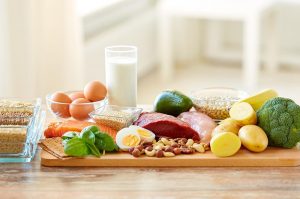
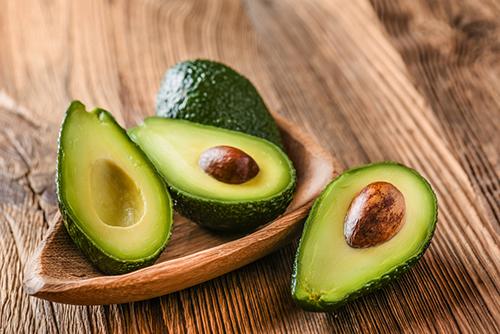 While adding fat in the form of oil is great, remember that whole foods are the best sources for fats since they provide more micronutrients, as well as fiber. Avocados and olives are two great examples of nutrient-dense fruits that make great oils but are arguably even better when eaten whole. Both contain plenty of fiber in addition to a variety of vitamins and antioxidants—plus they’re delicious and much more filling than a drizzle of oil! “Eating olives post-workout is a great way to get some extra salt,” says Ziesmer. “And of course, nuts are another great option for eating satisfying foods that are packed with healthy fats. A mix of nuts that includes walnuts is a great source of ALA, an important omega-3, plus you’re getting some protein. Chia and flax are also great additions.”
____________________________
Takeaway
Don’t be afraid to use oil in your cooking, especially when preparing meals for active young athletes. In addition to offering antioxidants and healthy fat, high-quality extra virgin olive oil is the simplest and most cost-effective choice when it comes to selecting an oil to use. Skip aerosol sprays in favor of simply getting a glass spray bottle to fill with olive oil.