

 Unfortunately, workaholism is a term that’s no longer reserved for adults, and our experts are finding that young athletes and student-athletes can easily fall into this trap too. Workaholic tendencies are often praised as hustle, grit, or enthusiasm, but over time, these tendencies can lead to physical and mental health problems.
Here, TrueSport Expert Nadia Kyba, MSW, President of Now What Facilitation, explains how coaches and caregivers can work together to prevent a workaholic culture from infecting youth sports.
Understand the pressure athletes face on all fronts
As parents, coaches, and caregivers, it’s easy to look at young athletes and feel as though they live an unburdened existence. But between school, sports, work, relationships, friendships, and the growing pressures presented by social media, young people are subject to huge amounts of pressure, says Kyba. To you, as an adult with bills to pay and many demands on your time, it may not seem like your athlete should be struggling to do it all. However, your athlete doesn’t have the same experiences as you, and for them, this point in time is the busiest and most pressured they’ve ever been.
Stop promoting a ’no pain, no gain’ mentality
Hard work is good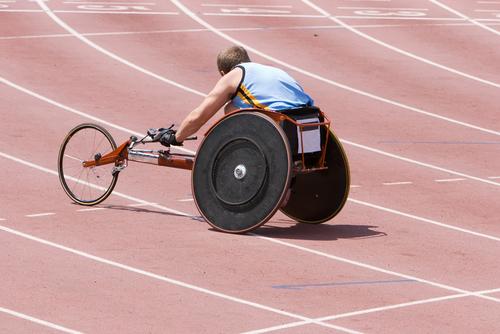 —but it’s easy for hard work to turn into overwork. Unfortunately, as adults, we tend to either ignore athletes who are overworking, or worse, we praise their efforts, says Kyba. Rather than praising an athlete for showing up to practice despite pulling an all-nighter to study for a final exam after a late shift at the restaurant where they work, consider giving that athlete a pass to catch up on sleep. We live in a culture that touts the idea of “going above and beyond,” but an athlete who’s already at risk of injury or illness due to fatigue shouldn’t be pushing harder, they should be taking care of their physical health.
Understand how workaholism applies to youth sports
While you can’t control the amount of homework or after-school work an athlete has, you can control the environment you’re creating for them in terms of sport. Kyba has noticed two big issues on this front. One issue is the number of tournaments now taking place over holidays, on weekends, and throughout the summer. There’s also a growing pressure for young athletes to be in a single sport all the time. That leaves no time for multi-sport play, other school activities, and of course, even unstructured time with friends.
More Guidance for Coaches
Set boundaries at the beginning of the season
“At the beginning of the season, it’s important for coaches to talk to the kids and parents before they start registering them into tournaments,” says Kyba. “Find out what’s important to them: Maybe a tournament over Labor Day weekend works well for everyone, but Thanksgiving is off limits for many families. You’ll have to negotiate and compromise, since not everyone will have the exact same preferences, but try to take all the athletes’ needs into account.”
Kyba notes that it’s particularly important for coaches to not just consider Christian holidays, but to respect the range of religious and cultural traditions that athletes on the team may observe.
Don’t reward athletes for workaholic tendencies
 We often praise those who “go the extra mile.” But in youth sport, pay close attention to an athlete who’s consistently going above and beyond—doing an extra weight room session, literally running the extra mile, and pushing beyond their capabilities to the point where they’re at risk of injury or exhaustion. It’s your job as the coach to pull them back, not urge them on. Even if they’re getting results in the short term, that kind of attitude and effort isn’t sustainable in the long term.
Don’t penalize athletes for cultural or religious observances
It should go without saying, but an athlete who’s observing a religious or cultural holiday or tradition should never be penalized for it. “For example, for some athletes, observing the Sabbath or fasting during Ramadan is a very important part of their religion,” says Kyba. “In your eyes, this may interfere with practice or competition, but you should never make an athlete feel guilty for their religious or cultural choices.”
More Guidance for Caregivers
Listen to your athlete
As Kyba noted earlier, it’s easy as a parent to roll your eyes when an athlete says that they’re feeling stressed out or exhausted. But take your athlete’s feelings seriously, and respect and validate those feelings. If an athlete seems as though they’re struggling to do everything, try to help them prioritize and potentially even trim out some of the activities and extracurriculars that are causing stress. This may even involve a discussion with a coach about cutting down the number of practices your athlete attends, even if it’s just for a couple of weeks.
Help create boundaries for your athlete
As a caregiver, you do have the ability to affect change on the team. If the coach is considering adding a tournament over Thanksgiving weekend or Christmas week, the parents of the athletes can create boundaries that protect their athletes from overwork and allow them to have vacations and time away from competition. While you do want your athlete to be able to advocate for themselves, sometimes you do still need to step in.
Watch your language around work and sport
 Athletes face such high pressure in school and sport, and parents can unknowingly add to it with casual observations about athletic or academic scholarships. More often than not, Kyba says, your child is already aware that they may need a scholarship in order to afford a university education—constantly bringing it up, even in a seemingly positive way, can contribute to an athlete developing workaholic tendencies.
Help your athlete understand your family values
“Often, workaholic culture clashes with an individual’s values,” Kyba says. “If you and your athlete value spending time with family and friends, you need to help your athlete respect those values. Often, workaholic cultures lead to putting all your energy into just one aspect of your life, which jeopardizes other core values. You need to help your athlete find balance.”
____________________________
Takeaway
Workaholic culture has seeped into youth sport and young athletes who are subjected to a workaholic environment in school or sport are at higher risk for burnout, injury, illness, and mental health issues. Coaches and caregivers need to work together to ensure that athletes are training and competing in a team culture that values hard work, but not workaholism.