

Coaching your child’s team or coaching your child in an individual sport can be an extremely difficult task, albeit an incredibly rewarding one. It’s not a position that should be taken lightly, and there are a few things to remember before you start.
Here’s what a group of TrueSport experts and coaches want you to avoid.
Don’t coach unless you actually want that responsibility
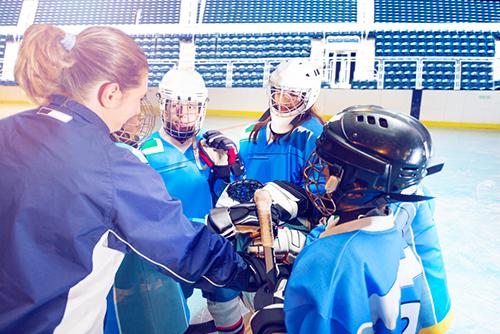 Too many parents casually sign up to coach without realizing what they’re getting into. Before you offer to coach your child’s team, get clear on why you want to do it—and have a conversation with your child about if that’s something they even want.
“To set yourself up for success, start by reflecting on why you are coaching this team in the first place,” says TrueSport Expert and President of Now What Facilitation, Nadia Kyba, MSW, RSW. A social worker and expert in conflict resolution, Kyba encourages parents to consider their motives: “Is it because volunteerism is one of your core values? Are you hoping to give your child their best shot at an athletic scholarship? Is it to become closer with your child by spending more time together? There are no right or wrong answers, but the key is to be aware of the reasons and to ensure they make sense in relation to your relationship with your child. Be careful not to get caught up in the ‘win at all cost’ mentality that can put a strain on your relationship.”
Don’t bring your bias to practice
“Be aware of your bias around your child when you are making decisions, such as starting line-ups, practice times, and captaincy decisions,” says Kyba. “If you haven’t checked your bias, parents, athletes, and your own child will be sure to pick on decision-making that is not sound.” Bias can take shape in two ways: You may find you’re tempted to favor your child and put them in the limelight, or you may notice that you actually shy away from putting your child in the starting lineup despite their skill. If you’re not sure about where your bias lies, consult with an assistant coach, and above all, be open to feedback.
“To be a critical thinker, it can help to ask questions, gather information, and reflect on the decisions and judgments you have made,” Kyba adds. This means throughout the entire season, regularly reflect on the progress of all the athletes on the team, including your child. And make sure that your child isn’t changing your impression of their teammates. “Are you viewing a player on the team through the lens of a story your daughter told at dinner last night, or putting together lineups that support friendship groups because that’s what your son wants?” Kyba asks. Those seemingly minor biases can impact your ability to coach a team well.
Don’t bring coaching home, or bring parenting to the game
 “After a game, in the car driving home, an average parent can talk about the game with their kid. But as a parent and a coach, I actually try to leave the coach persona on the ice and talk about other stuff on the way home,” says hockey coach Greg Krahn, the latest TrueSport Coach Award winner. “If my kids bring up the game while we’re in the car, great, we’ll talk about it. But I won’t bring it up. I try to view that as family time instead. I’m a dad in the car, not the coach trying to relive the game. Having that separation is important.”
Krahn notes that the reverse is true as well: “Now, the other side of that is that when we are on the ice, I’m not Dad, I’m Coach. I tell my kids to refer to me as Coach at practice instead of Dad to create that boundary, and to help assure the other players that my kids don’t get treated any differently.”
Don’t use criticism as a “learning tool”
“Remember that reinforcement is meant to increase behavior whereas punishment is designed to decrease behavior – and reinforcement is always more powerful than punishment,” says TrueSport Expert Kevin Chapman, PhD, clinical psychologist and founder of The Kentucky Center for Anxiety and Related Disorders. This is especially important for parent-coaches to understand, since it can impact your relationship with your child at home in addition to on the field. “The risk you run in criticizing your student-athlete—punishing him or her—is that they may increasingly equate their performance with their identity and presume your love is contingent upon their performance.” You can offer guidance and advice, but try to avoid criticism in favor of productive, proactive suggestions.
Don’t forget your athlete’s feelings
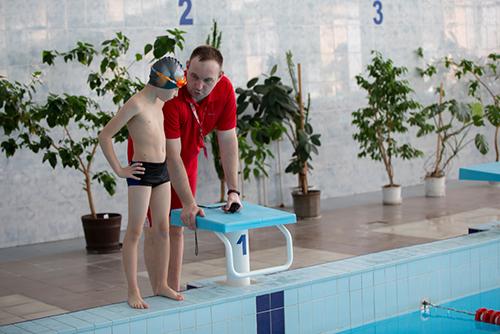 It can be easy to assume that your child enjoys having you coach his or her team. It’s also easy to be so focused on treating everyone on the team fairly that you actually end up treating your child worse than the other kids on the team! “Check in regularly with your child. How do they feel about having you coach? Are they happy about it? Are there aspects that they like and others they don’t? Consider adjustments based on their feedback,” Kyba advises.
Don’t expect to coach them forever
Kyba also reminds parents that coaching your kid shouldn’t last forever. “Have a plan for how they will tell you if they no longer want you to coach. It may hard for them to tell you this, and they may worry about hurting your feelings,” she notes. “But often as kids get older and are seeking independence—which is developmentally natural—they no longer want a parent-coach. They prefer to keep their family and sport lives separate. When they say it’s time for a change, accept this with grace and thank them for their honesty. Now it’s time to be their biggest fan from the sidelines.”
If you’re not the coach, don’t coach
 Right now, many parents have found themselves taking on a facilitator/coach role while school sports are put on hold due to the pandemic. If you’re reading this article because that’s the situation you’re in, board-certified family physician and TrueSport Expert Deborah Gilboa, MD, urges you to remember that in this case, you’re not the coach and shouldn’t be “coaching” your athlete.
“During the pandemic, as parents, we have tried really hard to not become our children’s teachers, but to support their learning. The same is true of their athletic goals.” Rather, you should be helping them organize their practice sessions, helping where needed, and relying on the team’s coach to provide instruction for practice.
_________________________________
Takeaway
Coaching your own child is a serious responsibility and there are undoubtedly things NOT to do when taking on this role. Use these expert tips when determining if and how to become your athlete’s coach.