 Life after sport—or more specifically, life after organized sport—can feel scary. If you’re heading to college and not planning to play, or you’re dealing with an injury or upcoming surgery that has you sidelined, it can feel like you’re adrift. And that’s why setting goals outside of sport is so important for your overall well-being.
Here, TrueSport Expert Amanda Stanec, PhD, the founder and owner of MOVE + LIVE + LEARN, has a few tips for setting goals for a happy, healthy life after you’ve finished playing your current sport. But first, keep in mind that you’re ideally goal setting in other arenas before leaving sport. Even if things are going great in your sport, it’s a good idea to practice setting some non-sport goals, which can help you create wellness and identity outside of sport.
1. Set a Goal to be Self-Aware
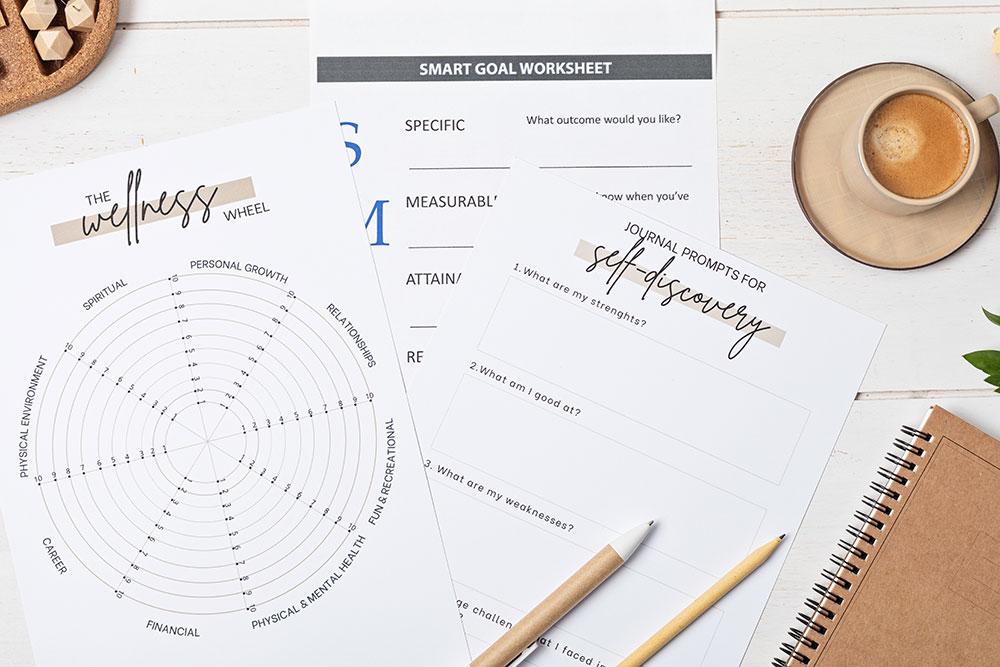
A good starting point for goal setting is determining how you’re actually feeling. And that means setting a goal to be more self-aware. “Self-awareness is identifying our strengths and our opportunities for growth,” Stanec says. The easiest way to start practicing this is to choose a problem that you’re currently having (it doesn’t have to be a big one!), then journal about potential causes and solutions. The better you get at this practice, the more aware you’ll be of how you’re feeling in every area of your life.
“A simple example is becoming aware that you don’t have energy at practice in the afternoon. You can then think about if you’re having a snack before practice, if you’re drinking enough water throughout the day, if you’re getting seven to nine hours of good sleep every night, or if there’s something that’s on your mind that’s distracting you from practice. After journaling on that, you might realize that you’re not going to bed early enough and need to set a timer to remind yourself when to get ready for bed each night.”
2. Optimize Your Wellness Wheel
“The wellness wheel is a great assessment strategy because it really hits on all the different areas of life and will help us to work on enhancing our overall quality of life,” says Stanec. “I define success as feeling good about your place in the world and the wellness wheel helps you define what healthy success can look like. It will help you answer questions like, ‘What do I need to maintain?” and “What do I need more of in my life?’”
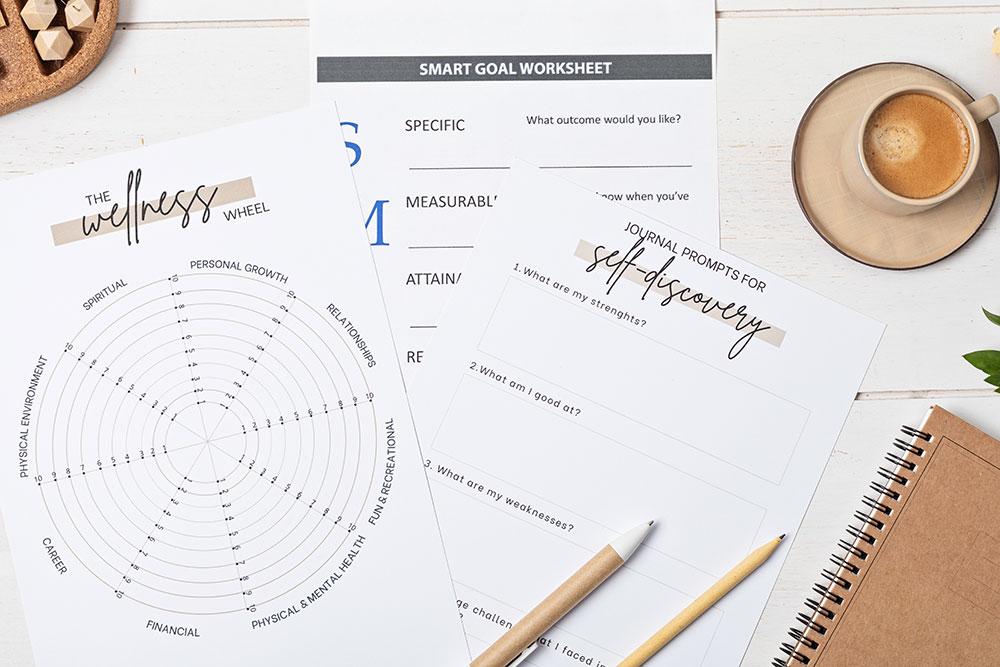 The wellness wheel is a circle made up of slices representing different areas of wellness: Physical, Emotional, Spiritual, Intellectual, Social, Financial, Occupational, and Environmental. You can also make up your own categories that feel more relevant to you: Occupational typically refers to a job, but for you, maybe that refers to school or extracurricular activities. And while Environmental typically refers to your overall physical environment, for you, it could simply be your car and room at home.
Draw your own Wellness Wheel as a circle or as a chart and ask:
- How am I doing in each category?
- Where can I improve the most?
3. Where am I closest to achieving wellbeing?
For some athletes, Stanec suggests starting with the area you’re most lacking in. For instance, if you feel like you’re struggling with your social well-being, you could make a goal to call one friend weekly, have a movie night with a friend, or spend at least an hour having a real conversation with a parent. For some people, though, it’s easiest to start with the slice of the pie that’s closest to optimization to feel a quick sense of accomplishment and achievement. So if you’re already doing great intellectually—getting good grades, for example—could you add a goal of practicing your conversational Spanish every day for 10 minutes to improve your comprehension and pronunciation?
4. Set Personality Goals
 “When we think about what sport can give us, in addition to the physical play, we think about things like leadership, confidence, responsibility, communication, and initiative,” says Stanec. Think about the personality traits that you want to develop: Are you a great team leader, or are you lacking in communication skills? Do you have confidence on and off the field? If you’ve been playing sports for a long time and struggle to set goals outside of sport, it might be easiest to set goals that are sport-related, like being more confident on game day. Start there, and you can apply that skill to other areas of your life, like public speaking or test taking.
5. Set Health Goals
Another easy non-sport goal to start with is a health-related goal. Health-related goals can feel easier for athletes who are used to focusing on their bodies first. Instead of setting goals around practice or competition, Stanec suggests zooming out and looking at overall health. How’s your sleep quality? Struggling with nutrition? You may want to set a goal around eating three healthy meals per day plus snacks and enlist a registered dietitian to help you create a meal plan. For an injured athlete, a health goal could revolve around following through with physical therapy appointments and exercises.
6. Set Anti-Goals
 If setting goals beyond sport or without sport is difficult, try the reverse: Think about how you don’t want to feel. For some people, it’s easier to know what you don’t want versus what you do want. Stanec explains, “For example, if you’re a new college student, how do you want to spend your weekends? Do you want to feel exhausted and hungover? If you decide that you don’t want to feel lonely and lethargic, that could prompt you to join a triathlon club that practices together on Saturday or start a walking date with a few friends to make sure you’re staying active.”
____________________
Takeaway
Setting non-sport goals can help you create an identity outside of sport and develop overall well-being, which will help ease your transition away from organized sport.