This season, your kids (and likely you as a parent) are in the house more than ever thanks to revised school schedules, canceled sports seasons, and limited social interactions. That means now more than ever, your kitchen has likely become snack time central, allowing easy access to whatever is stocked in the fridge or pantry. If you’re concerned about your child’s snacking habits, or hoping to avoid food boredom as the months of life-at-home wear on, keep reading for some important nutritional tips around snacking at home.
Make a list of ‘approved snacks’
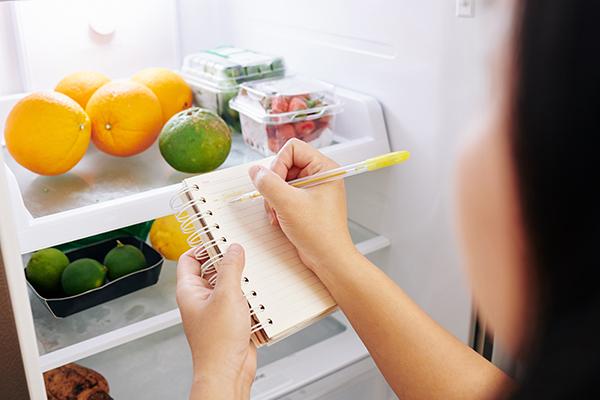 There’s a fine line between letting your child have autonomy in the kitchen and letting them roam freely through your pantry. Research has found that without parental intervention, snacks tend to get sweeter and less healthy. And another study found that when children had many snack options available, they tended to eat more than if they only had a few choices. While you probably don’t want to install a lock on the freezer door to block your fifth grader from getting into the ice cream mid-morning, you can create an ‘approved snack list’ that gets prominently displayed in the kitchen so your child knows exactly what’s snack-able and what’s not. Depending on the age of your child, creating a specific snack station section in the kitchen where healthy options are stacked for easy, anytime access might keep the household running smoother.
Check in on hunger cues
Children struggle to understand their own hunger cues, or more simply put, kids have a hard time knowing when they actually feel hungry, since they’re so used to being told when to eat. With this in mind, avoid having food out in plain sight. One study showed that younger children who are consistently exposed to food may end up struggling with overeating and obesity, and won’t learn to read their own hunger cues. So rather than keeping food set on the counter, put it away in the pantry. Research done at Brigham Young University also showed that the number of calories children eat post-practice tends to far exceed the number of calories they burn while playing. Try to have your child tell you when they are hungry rather than asking if they are ready for a snack.
Get a handle on emotions
Remember that children are currently experiencing unprecedented levels of stress thanks to the COVID-19 pandemic, and as a result, they may be more prone to emotional eating. Unfortunately, emotional eating starts at a young age: One study showed that children who were sad ate more chocolate than the happy or the neutral groups. This can be mitigated by pre-portioning out snacks so overeating is less likely, but it’s also a reminder to pay attention to how your child’s eating habits are changing, since that may be an early warning sign that your child is feeling more sad, stressed, or anxious.
Create snack boundaries
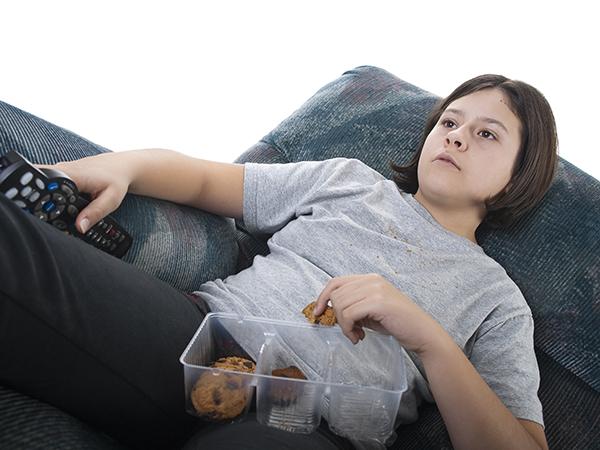 It’s important to separate eating from other activities. It’s easy to let your kids snack while they work or relax in front of the TV, especially if you’re helping with remote learning while trying to handle your own work as well. But studies have shown that when teens eat snacks in front of a screen, they’re at a heightened risk for developing diabetes and even heart disease. Set rules around not eating at the desk or on the couch, and instead, create specific ‘snack zones’ for your child like the kitchen or a picnic area in the backyard.
Keep junk food out of the house
When kids were out at school and practice all day, keeping junk food at home may not have been an issue, but with kids at home, access to candy, chips, and soda becomes problematic. Moreover, one study points to genetics playing a role in what your children will be most prone to overindulging on, meaning that if you’re an ice cream eater, there’s a good chance your child will follow in your footsteps and take advantage of that well-stocked freezer. This makes it all the more critical to keep particularly overindulgent snacks out of the house entirely.
Meal prep smart choices
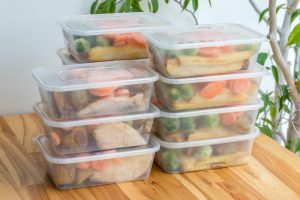
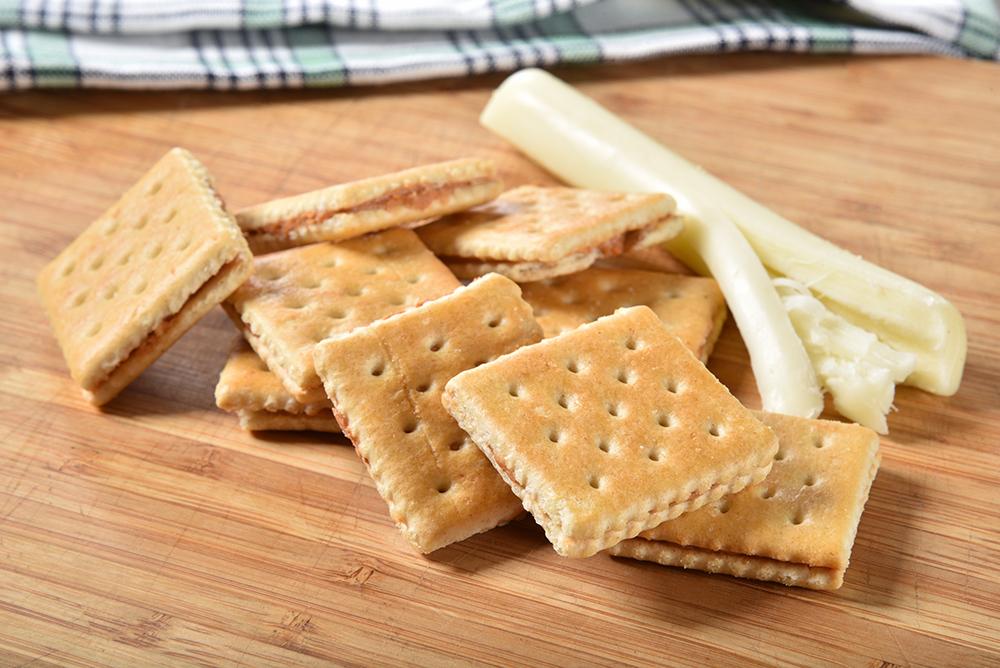
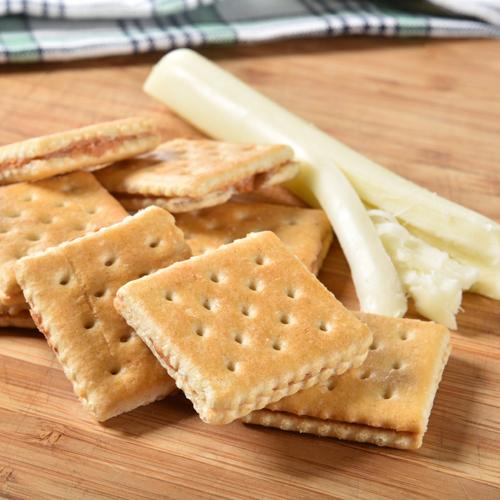 Prevent food boredom by letting your child choose three or four snack options for the week, but keep things simple by meal planning and prepping ahead of time so you’re not constantly making messes in the kitchen. Help your child come up with one or two grab-and-go options like string cheese or chopped up vegetables with hummus, plus one baking/cooking project that you can prep together once a week. Chop up veggies in advance, and even consider pre-portioning out higher-calorie snacks like crackers, nuts, and dried fruit so it can’t be eaten by the handful. Snacks high in protein have been shown to be the best options for helping children recover from practice and games, and will also improve feelings of satiety, so there’s less likelihood of overindulging on less healthy options.
____________________________
Takeaway
With kids at home more than ever, it might be getting harder to both set boundaries around snacking and keep everyone satisfied. Keep these tips in mind for healthy, satisfying snacking at home.