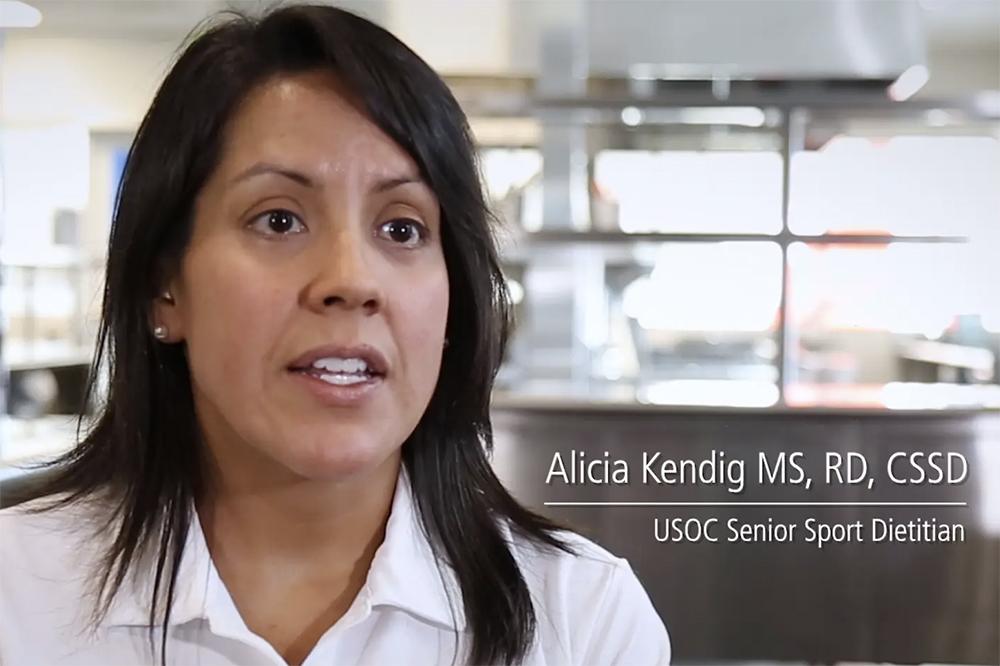
Alicia Kendig, the USOPC’s Senior Sport Dietitian, examines the role snacking plays for athletes in a balanced nutrition plan.
Learn more about Alicia Kendig.
The snacking culture, really, I think it does address various lifestyle factors that people kind of encounter. Sitting down for three full meals has been… Maybe it’s just not prioritized as much. People are on the go and they’re looking for convenience. But also, too, people started realizing, “Hey, I get really hungry between meals,” or, “Hey, I feel like my energy level’s dropping in between meals.” So, the snacking culture has adapted to just kind of that lifestyle factor of people really kind of paying attention more to their bodies and not feeling like they need to be so structured with just eating three meals.
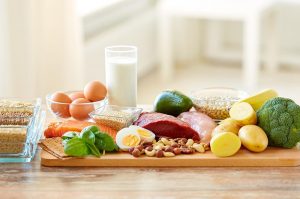
One of the things I think is really important is using that snack time to get in at least one fruit or vegetable, and then pair it with maybe it’s peanut butter to provide some protein, or some fats, or adding hummus to some vegetables. But I really think it should be a combination of a couple of foods, if possible. A lot of times, the quick, convenient, grab-and-go snacks are just carbohydrates. Just making sure that you’re getting a balance of carbs with a protein or a fat.
Managing snacking habits can be easily addressed by having good options available. Having that level of convenience is definitely important. Maybe in the beginning of the week, you package up a bunch of fruits or vegetables into baggies and have them in the fridge so that you can grab them easily. But I think people get into a rut when they haven’t done some planning, they don’t have the preparation, and then you have that pre-packaged, processed things that are the go-to items.
I’m not really sure if there are any benefits to reducing snacking, honestly. I do think that having, every couple of hours, something to eat, whether it be just a handful of almonds or a small piece of fruit, it helps to keep energy levels elevated and maintained. There’s also, too, a psychology to eating, that it kind of keeps your brain happy. Then the most important thing about snacking is you’re not showing up to that next meal extremely hungry. Actually, I don’t think there are any setbacks to snacking.