Unfortunately, young athletes may find themselves on the sidelines for days, weeks, or even full seasons after concussions. These injuries can be frustrating since there’s no simple recovery timeline, and as the brain heals, the body might feel ready for sport when the brain is not. As a parent or coach, you can help your athlete by ensuring that they focus on the things that they can control in the healing process, like their nutrition.
Here, registered dietitian and TrueSport Expert, Stephanie Miezin, MS, RD, CSSD, along with Michele LaBotz, TrueSport Expert and sports medicine physician, provide some basic guidelines to follow as your athlete recovers from a concussion. But make no mistake: While helpful, good nutrition is not a replacement for following a doctor’s return to play guidelines.
There’s No Way to Supplement Away a Concussion
While you may have seen advertisements or spotted a social media post touting a certain powder, pill, or other supplement as ‘brain food’ or a way to speed up healing from a concussion, the truth of the matter is that we simply don’t have enough information about concussions to confidently recommend supplements that will change outcomes of concussion recovery.
Concussions produce changes in blood flow and “connectivity” in the brain, and there is intense research looking at the potential role for diet and supplements to minimize the effects of these changes in the brain and to hasten recovery in youth athletes. While early research suggests nutritional choices may play a role in concussion recovery, it is too early to make definitive recommendations regarding specific dietary regimens or supplements as part of standard concussion care. The following paragraphs outline some helpful strategies for what we DO currently know in this area.
Eating Enough Is Important
Many young athletes struggle to eat enough after a concussion. The brain is an energy-hungry organ, requiring plenty of calories. But when your athlete is suddenly on the bench, their appetite may drop significantly to match their now-sedentary state. Young athletes with concussion appear to be at increased risk for developing “low energy availability” (LEA) when ingested calories are not sufficient to support recovery, growth and daily function. Athletes in sports that value low body weight—cross-country, running, or gymnastics, for example—are at higher risk for LEA. If your athlete has a history of disordered eating or body image issues, LaBotz notes, this is extremely important to watch for. While a bit of fluctuation in appetite is normal, your athlete does need regular meals and snacks to help their brain to heal.
Concussion Symptoms Don’t Just Impact the Brain
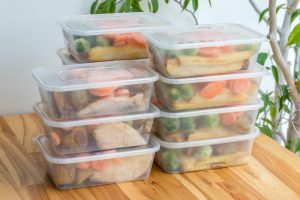
Following a concussion, nausea is a common symptom, so ensuring a bland, yet healthy diet (along with proper hydration) may be helpful. “There can be a lot of stomach upset or nausea, and the appetite is often going to be reduced,” says LaBotz. In these cases, athletes often tolerate small, frequent meals and snacks rather than larger meals at breakfast, lunch, and dinner.
If an athlete is experiencing nausea or lack of appetite that is leading to poor intake, there are a few strategies that can be implemented to help.
- Lean on foods that the athlete enjoys. Eating something will almost always be better than eating nothing, so athletes should be encouraged to eat whatever they can when they have low appetite. It’s fine if that means they eat foods with lower nutrient density; they are at least consuming essential energy (calories) to promote healing and meet foundational energy needs.
- Identify tolerable, nutritious drinks. Liquids are often easier to consume than whole foods when appetite is low. Determine which drinks the athlete could incorporate and then make those readily available. Examples include juice for carbs and vitamins, milk for protein and calcium, or a smoothie with all the above.
- Pay attention to appetite patterns. Identify if there are times when appetite is higher (and nausea is lower) and make sure those time frames are taken advantage of by eating balanced meals and snacks during those periods.
Hydration Is Also Critical
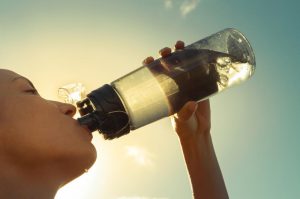
Especially in the first few days post-concussion, your athlete may not be feeling thirsty or hungry but drinking enough is vitally important to the recovery process. “Plain water can be nauseating, because the water sits in the stomach for longer than something that has a little bit of carbohydrate in it,” says LaBotz. “Athletes may need to experiment with different types and temperatures of fluid to see what settles best. Some athletes may prefer warm beverages or soups rather than something colder.”
For athletes who need additional guidance regarding hydration, LaBotz typically recommends using a rehydration solution or sports drink (not a caffeinated energy drink) for hydration. She recommends urging athletes to take small sips, and you can play with the ratio of water to sports drink to improve stomach comfort. Alternatively, athletes can dilute apple juice or other fruit juices with water by half, which will produce a similar concentration of carbohydrates as can be found in commercial sports drinks.
Add Antioxidants and Anti-Inflammatories…On Your Plate
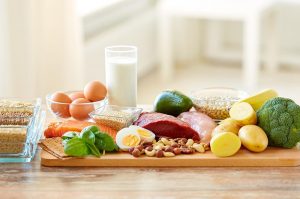
You likely have heard the nutritional advice to ‘eat the rainbow,’ meaning to fill up a plate with as many different colors of fruits and vegetables as possible, since whole foods tend to be packed with anti-inflammatories and antioxidants. Vitamins C and E are found in many fruits and vegetables and appear to be important for maintaining brain health. Although these vitamins have been studied in hospitalized adults with severe brain injury, there is no research to date in young athletes with sports concussion.
“A low inflammation, high antioxidant diet might help speed up recovery time, though we still don’t have enough research to confirm that,” says LaBotz. “But a diet that’s rich in fruits and vegetables is always a good idea, and may help decrease inflammation throughout the body as it recovers.” Antioxidant-rich foods to consider adding to your grocery list include berries, citrus, broccoli, tomatoes, beets, herbs like basil and cilantro, onion, leafy greens like kale and spinach, carrots, and mango.
Mind Your Minerals
Although magnesium does appear to help promote sleep and reduce anxiety (which may accompany concussion in some athletes), there is very little data to support a direct role for magnesium supplementation in concussion recovery. Keep your eye out for future studies on this, but magnesium is also important for good bone health, so including high quality sources of magnesium in the diet is a good practice in any case.
Boost Protein Intake
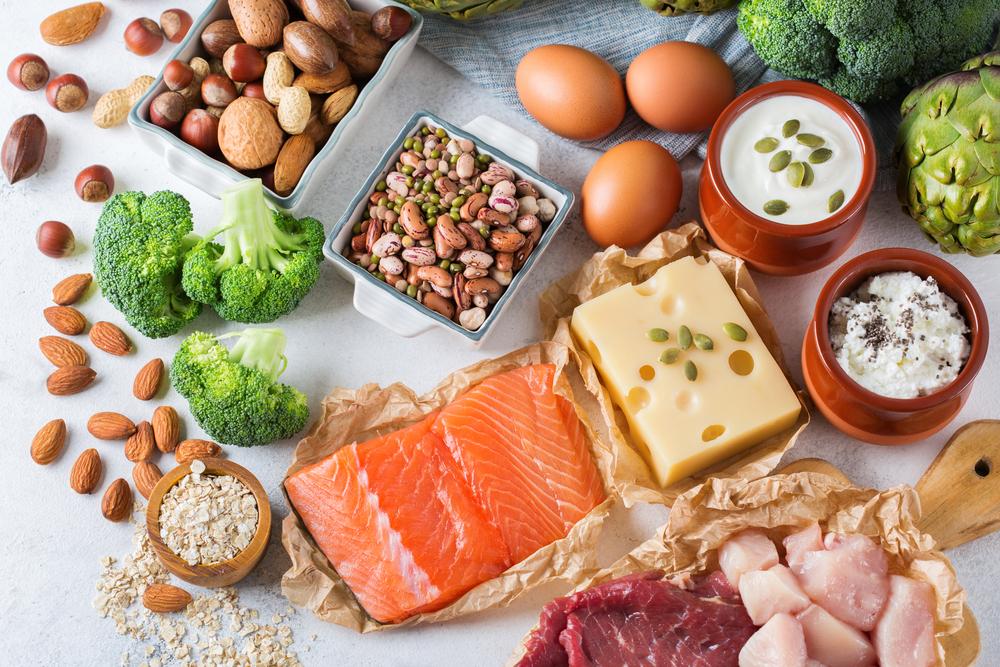
“During periods of reduced activity, there’s the potential for some muscle loss,” says LaBotz. “But if your athlete gets some form of protein every two to three hours, that can help to mitigate the muscle loss.” Good sources of protein include chicken, fish, dairy, nuts and seeds, and tofu. Aim for around 15 to 20 grams per serving, and spread intake throughout the day for the best results, ideally having 3-4 ‘doses’ of protein daily.
Get Omega-3s From Food Sources
A number of studies have looked at the potential role of omega-3 fatty acids in concussion recovery, as well as supporting brain health in athletes in contact sports who have not sustained a concussion. Although the research is still very limited, studies to date suggest a potential role for a type of omega-3 known as docosohexaenoic acid (DHA) in concussion recovery. While any consideration for possible supplementation during concussion recovery should be discussed with a health care provider, adding omega-3s from whole food sources is a good nutritional practice anytime!
Miezin and LaBotz recommend food-based sources of omega-3s, including most nuts and seeds, high-quality olive oil, fatty fish, and even some eggs and dairy that are fortified with omega-3s. Even a small 3 oz. portion of cooked salmon can provide about 2g of omega-3 fats (with more than half as DHA), which is a greater dose of omega-3 fats than what is typically provided in a fish oil or omega-3 supplement.
Balance Nutrient Density
For very young athletes, it can be tempting to soothe bad moods and grumpiness with fast food favorites and desserts for dinner. Older athletes who are feeling upset about missing out on playing time might also turn to enjoyable, yet less nutrient-dense food like chips, candy, and cookies as a way to cope with the challenges of concussion and missing out on sport. While some ‘fun food’ is fine—even encouraged!—make sure that your athlete is still eating primarily nutritionally balanced meals as much as possible to ensure they are getting all the micro- and macronutrients needed for both good baseline health and concussion recovery support.
_________________________________
Takeway
While nutrition alone can’t heal a concussion, it can be a helpful tool. Make sure that your athlete is eating enough to give the brain energy to heal, and to fuel the body through the recovery process. Hydration is also key. Finally, ensure that your athlete is eating nutritionally dense foods, including fruits, vegetables, protein, and omega-3s.