

 You may have heard about branched chain amino acids, or BCAAs, in a sports magazine or on a fitness nutrition website and wondered what all the hype was about. You may have even wondered what the heck a BCAA actually is and if you need it. But while BCAA powders and capsules might seem like tempting supplements to try, BCAAs are actually found in any food that contains protein, so you’re likely getting plenty in a balanced diet.
Here, TrueSport Expert Kristen Ziesmer, a registered dietitian and board-certified specialist in sports dietetics, explains everything you need to know about branched chain amino acids and the role they play in athlete nutrition.
1. BCAAs Make Up Protein
BCAAs are the building blocks of protein, specifically leucine, isoleucine, and valine, which athletes need in order to build muscle and maintain muscle and blood cells. However, just because they help build muscle, it doesn’t mean that they’ll build muscle as you’re working out! “They provide energy to your muscles, but they won’t necessarily increase your performance during a training session,” Ziesmer explains. “They just provide a bit of the fuel that you’re burning in a workout.”
2. BCAAs Are Found in Whole Foods
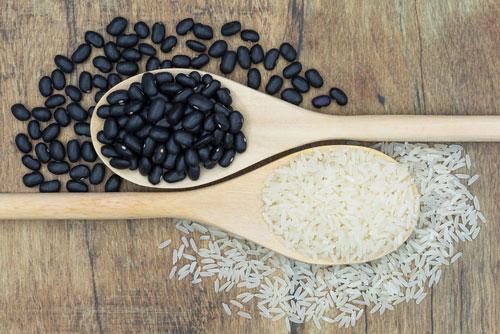
 “A lot of people hear the term branched chain amino acids, or BCAAs, and assume that they can only be found in powders or capsules made by sport nutrition companies,” says Ziesmer. “But you can get BCAAs from any type of meat products, including chicken, beef, pork, fish, dairy, and eggs. There are more than 20 amino acids that make up protein, but athletes should focus primarily on leucine if they’re paying attention to the types of BCAAs they’re getting from food. The most important amino acid for developing muscle is leucine, and that’s found in large quantities in egg whites and dairy.” And yes, vegan athletes can still get BCAAs from whole foods, but it’s more complicated since vegan options typically don’t contain all the necessary amino acids. Still, vegan foods can be combined (either in a meal or in the course of a day) to provide all the vital BCAAs. Brown rice and black beans, for example, provide the key amino acids that a growing athlete needs.
3. Incomplete Proteins Are OK
You may have heard about incomplete proteins, especially if your athlete is plant-based. An ‘incomplete protein’ does sound scary, so it’s natural to worry that your athlete isn’t getting the nutrition that they need. But incomplete proteins are absolutely fine, as long as your athlete is eating a varied diet and eating enough throughout the day. Nuts, for instance, are great sources of protein, but they don’t have the full array of BCAAs. But if you have a snack of nuts in the afternoon and brown rice with vegetables at dinner, you are getting the full range of BCAAs. Your body is great at processing these foods intelligently, says Ziesmer, so don’t panic about combining foods perfectly.
4. More Isn’t Always Better
 You may assume that a capsule or powder containing BCAAs will be better than eating a whole food source of protein because it’s more concentrated and a ‘direct delivery.’ But that isn’t the case, says Ziesmer. Your body can only process a certain amount of BCAAs at a time, so if you take a supplement that contains a large amount of amino acids, it’s unlikely you’ll be able to absorb it all at once. Eating protein throughout the day provides all the BCAAs that an athlete needs, and provides them at a slower, steadier rate so they can actually be utilized.
5. BCAA Powders Don’t Just Contain BCAAs
It’s also important to remember that BCAA powders are rarely just BCAAs, and in general, supplements come with some level of risk to consumers. “They never just put branched chain amino acids in a powder,” says Ziesmer. “There’s flavoring, sugar or artificial sweeteners, and often other additives like caffeine.” Just like athletes can skip protein powder, they can definitely skip BCAA powder. Greek yogurt is a fantastic source of protein and contains a lot of leucine as well as other nutrients like calcium that an athlete needs. The BCAA powder might contain leucine, but it won’t contain protein to make you feel full and ready for practice, and it won’t contain other useful vitamins or minerals.
___________________
Takeaway
Your young athlete doesn’t need BCAA powders to perform at their best. Simply ensure that they are eating plenty of protein throughout the day, and they’ll get all the branched chain amino acids that they need.