 You might think of bone and joint health as something older adults have to contend with as they age, but in reality, childhood and adolescence is the time to lay the foundation for bone and joint health. In fact, the National Institutes of Health points out that “up to 90 percent of peak bone mass is acquired by age 18 in girls and by age 20 in boys.”
Fortunately, bone and joint health can be supported by food choices. Here, TrueSport Expert Kristen Ziesmer, a registered dietitian and the owner of Elite Nutrition and Performance, is sharing how to eat for bone and joint health.
Why does eating for bone health matter for young athletes in particular?
“Anytime that a young athlete is doing any type of exercise, that puts stress on their bones and joints. This is especially true of sports with a lot of repetitive movements,” says Ziesmer. “And that includes most sports young athletes are doing, since even sports that aren’t super repetitive often will have repetitive drills in practice. That repetition, especially when it’s high impact things like jumping, puts a lot more stress on their bones. Injury is obviously a concern, so we want to help our athletes proactively prevent that.”
1. Calcium
 You probably remember from high school health class that calcium is the mineral necessary for growing strong bones. Calcium provides structure and strength to your bones. “Making sure young athletes eat enough calcium now is so important for them later,” Ziesmer says. “As early as our 30s, we start slowly losing bone density. So, we want to make sure that athletes are stocking up on calcium when they’re young.”
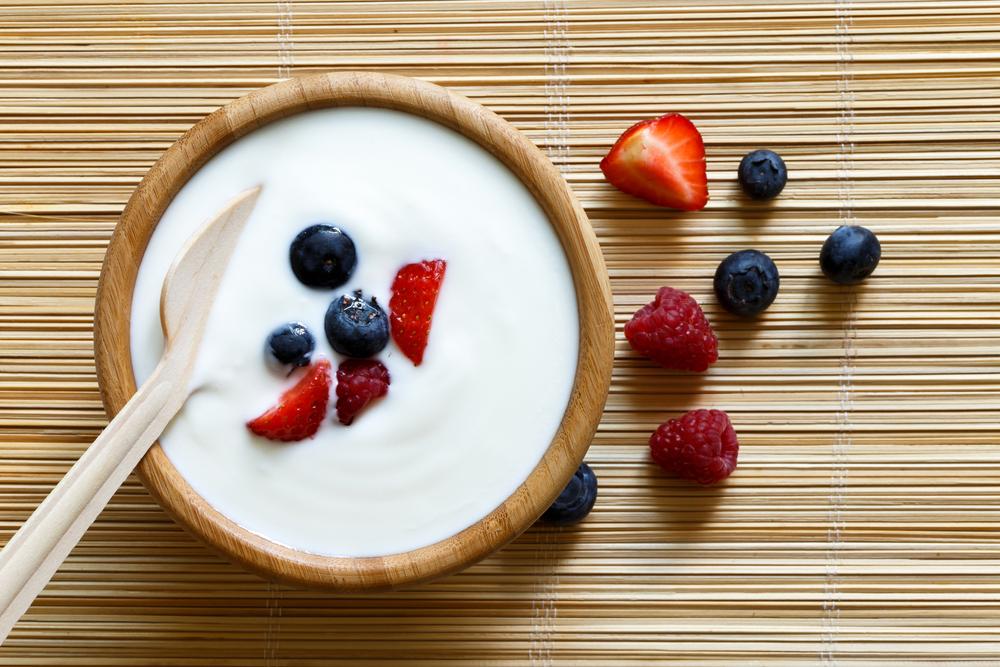
She recommends aiming for roughly 1500 to 2000 milligrams per day. Dairy is the obvious source of calcium: milk, Greek yogurt, regular yogurt, and kiefer are all great sources. But you can look beyond dairy too, including leafy greens, broccoli, and fish with the little bones in them (sardines or canned salmon with bone in).
2. Vitamin D
What you may not remember from high school health class is that without enough vitamin D, calcium can’t be absorbed properly. And this is tricky, since vitamin D is almost impossible to get from food alone—it requires exposure to sunlight (or doctor-recommended supplementation).
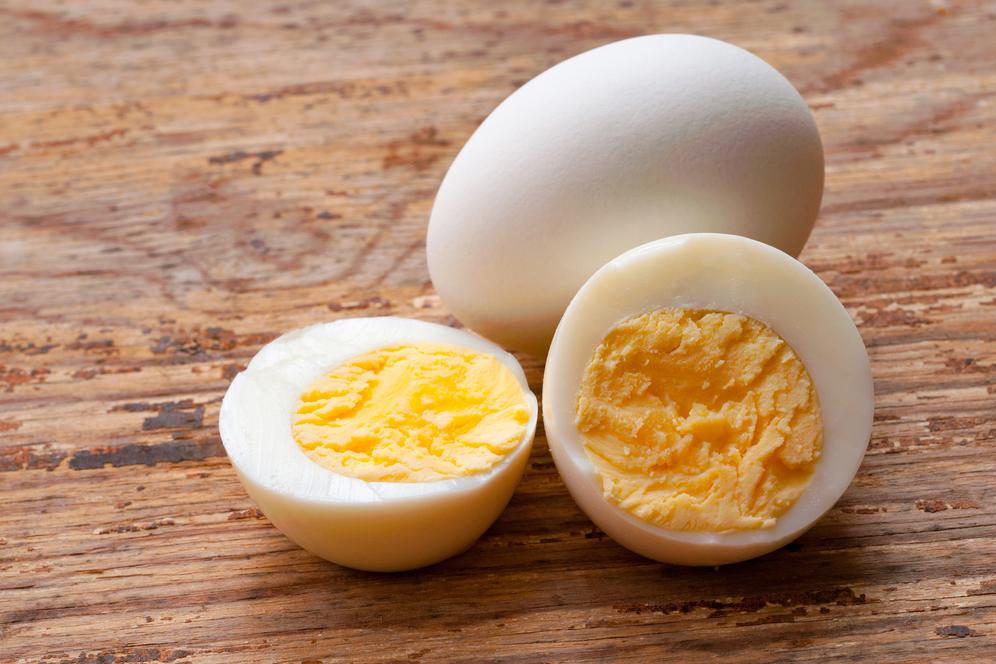
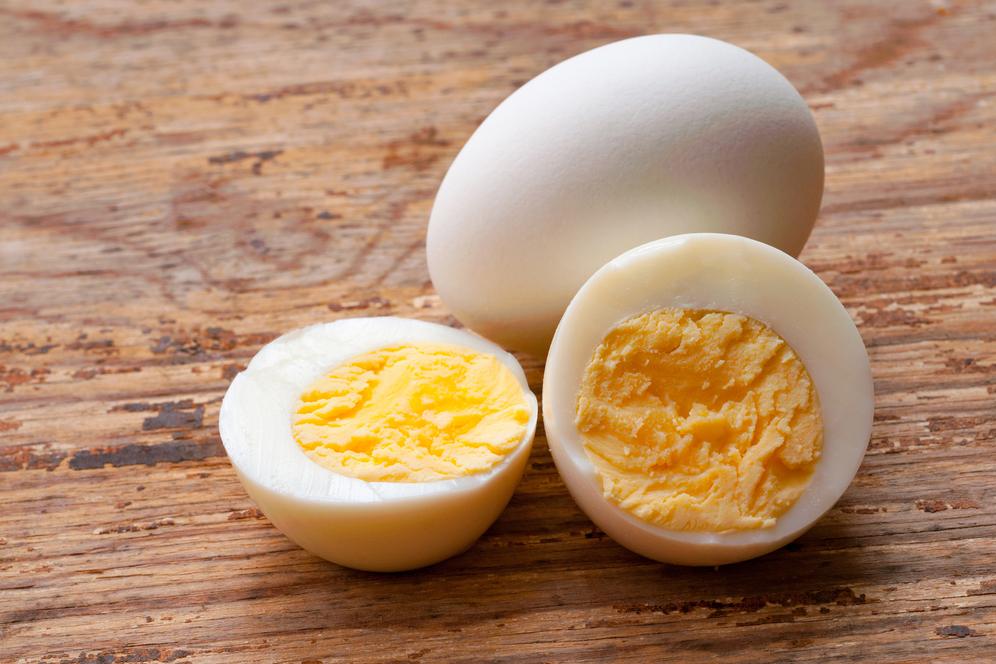 Ziesmer suggests getting vitamin D levels checked regularly because many young athletes end up deficient in this vitamin since outdoor exposure is limited during school hours and many northern climates lack the opportunity for sun exposure. “Vitamin D is an important hormone that controls so many things in our body, including bone health,” she says. “The best source is from the sun, so try spending 30 minutes a day outside during prime sun hours.” You can also get small amounts from foods, including egg yolks, sockeye salmon, and shiitake mushrooms, as well as dairy and other foods like orange juice that are fortified with vitamin D. Before you consider adding a vitamin D supplement, make sure you check with a doctor.
3. Vitamin K and Magnesium
Vitamin K and magnesium are also essential to help the body absorb calcium. “Both of these can also inhibit bone healing if people are not getting enough,” Ziesmer adds. The good news is that these two micronutrients are relatively easy to find in a whole food diet. “Leafy greens, nuts, seeds, beans, whole grains—all of these offer plenty of vitamin K and magnesium,” she says.
4. Glucosamine
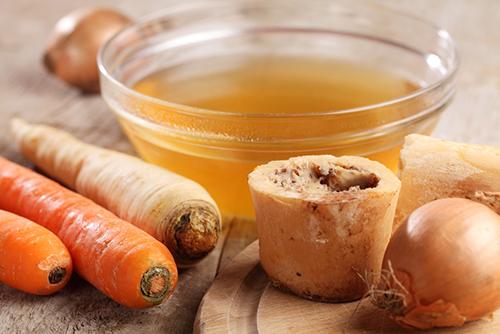 Many older adults supplement with glucosamine or glucosamine chondroitin to improve joint health. But while glucosamine does have positive effects on bone health, young athletes can likely skip the supplement (unless directed by a doctor). Like collagen, your body is born with a certain amount of glucosamine and you don’t naturally reproduce it. It just goes away slowly as we age. But a healthy diet that includes the appropriate vitamins and minerals can go a long way to protecting your athletes’ bones and joints without resorting to supplements.
If you do want to add glucosamine to your athlete’s diet, consider buying or making a bone broth. Because bone broth is made by breaking down connective tissue and cartilage, it actually does contain glucosamine, as well as collagen, which can potentially help with joint and muscle protection, says Ziesmer.
5. Protein
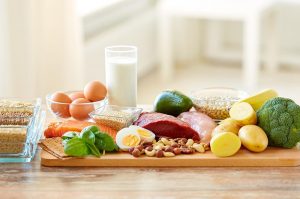
While we’ve been focusing on micronutrients, a healthy diet that contains a good blend of carbohydrates, fats, and proteins is also critical for bone health. Protein in particular is important, though not specifically for your bones. Rather, Ziesmer says, we need enough protein to protect and develop the muscle that attaches to your bones and serves as their primary protection from injury. The stronger and healthier your muscles, the more protective they are. She suggests aiming for one gram of protein per kilogram of body weight at least. If an athlete is injured, increase that number to 1.5 grams of protein per kilogram of body weight to promote healing.
6. Eating Enough
The last, and arguably most important thing to remember about eating for bone and joint health, is simply eating enough. A young athlete who isn’t getting enough calories overall is more prone to injury, bone loss, bone damage, and other negative health repercussions like a loss of periods for young women or issues with illness and fatigue. Unfortunately, there are many young athletes who are chronically under-fueled, and that can have disastrous consequences. “Athletes should eat consistently throughout the day with a balanced meal or snack at least every three hours, and really focus on eating to a comfortable fullness,” says Ziesmer. (You can see what a balanced plate should look like right here.)
_________________________
Takeaway
Strong bones and joints can lead to stronger performances and healthier bodies for young athletes who strive for optimal performance. Eating enough of the right foods, including calcium, vitamin K, and vitamin D, can help improve bone density and strength.