
 Whether in high school or in college, your athletes are probably not getting enough sleep to maximize their potential at practice and on gameday. As a coach, this can be frustrating, since it can seem out of your control. In fact, even athletes themselves have little control over how much they sleep, since they often deal with two-a-day practices, mountains of homework, and, for college students, classes at strange times and unruly roommates. But there are some controllable ways athletes can boost their sleep for the better.
TrueSport Expert Charron Sumler, LPCC, is the Athletic Counselor for Ohio State University, where she helps athletes better understand the connection between sleep and mental wellbeing. Here, she shares a few tips and tools to help coaches better understand the challenges faced by athletes and pave the way to better sleep, better mental health, and better performance on the field.
WHY ATHLETES SHOULD PRIORITIZE SLEEP
Understand the Role Sleep Plays for Performance
 “You simply cannot talk about mental health without talking about sleep,” says Sumler. “When you look at all of the strategies that are marketed towards athletes to boost preparation and recovery, none of them are as effective or as important as simply getting enough sleep.”
In fact, one study found that basketball players who were getting six hours of sleep or less per night had 30 percent lower levels of concentration than those who got the recommended amount. Research has also shown that physical performance from players who weren’t sleeping enough dropped by roughly a third, including time to exhaustion. Additionally, the risk of injury increased: Over a single season, athletes in that study were 80 percent more likely to be injured. Finally, insufficient sleep has been linked to decreased focus and concentration while playing.
Understand the Role Sleep Plays for Mental Health
It can be easy to explain the performance benefits of sleep to your athletes, but the mental health piece is just as important, especially for young athletes who deal with high stress levels on and off the playing field.
“I don’t think there’s a single mental health disorder that doesn’t affect sleep or is not affected by sleep,” says Sumler. “But even beyond mental health disorders, your ability to manage your emotions is decreased when you aren’t sleeping enough. So is your perception of how difficult things are. A workout that was fine yesterday can suddenly seem impossible to finish after a night of poor or inadequate sleep. And those kinds of mental blocks start to increase more with more sleep deprivation.”
Understand What “Enough Sleep” Means for Adolescents
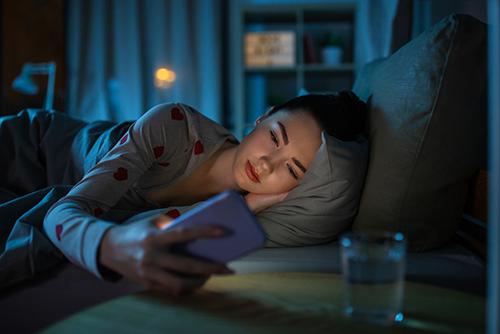 It may come as a surprise, but teens and young adults often require more than the 7-9 hours that are recommended for adults. Young athletes in particular need more sleep to allow their bodies time to fully recover.
“Often, I hear from college athletes who think six hours of sleep is adequate, because they’ve heard that 6-8 hours of sleep is ‘normal,’” says Sumler. “Athletes think they’re in the safe zone with that amount of sleep, but that’s actually sleep deprivation.”
Ideally, athletes should be getting 9-9.5 hours of sleep every night, according to Johns Hopkins Medicine.
HOW TO PRIORITIZE SLEEP
Start with Improving Total Time in Bed
Most athletes and students assume that time in bed is the same as time spent sleeping.
“Unfortunately, if an athlete was in bed for eight hours, that doesn’t mean they were sleeping for eight hours,” Sumler says. “To sleep for eight hours, most people need to be in bed for around 10 hours.”
Simply understanding that reality can change when an athlete starts to wind down for the evening. If they’re planning to sleep from 10 p.m. to 7 a.m. to get the full nine hours of sleep, they may actually need to get into bed around 9 p.m.
Ask Athletes to Track Their Sleep
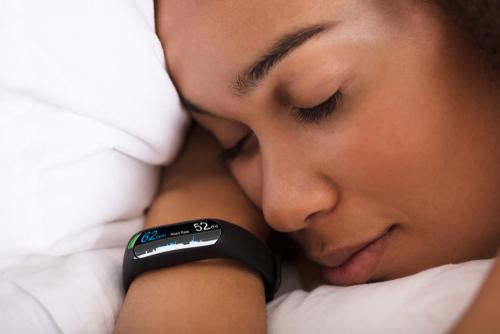 What gets measured gets managed. But most athletes do not think much about their sleeping habits. They are aware that sleep is good but rarely record when they went to bed, when they woke up, how refreshed they feel, or any specific sleep notes. Encourage your athletes to start keeping track. There are free apps available to track sleep; Sumler recommends Sleep Cycle, a free app that monitors movement through your phone, but a fitness tracker or smart watch will often include a sleep function as well.
“These apps and devices help give athletes a sense of how well they’re really sleeping,” Sumler says. “At minimum, recommend that athletes use a notebook to write down when they went to sleep, when they woke up, and how they felt in the morning.” Athletes can also use TrueSport’s Road Map to Clean & Healthy Performance to track nutrition, hydration, and sleep habits.
Recommend Napping
Napping is often considered to be something that only very young and very old people need, but the truth is, we can all benefit from naps sometimes! Sumler is a fan of using naps to augment sleep, though not replacing time spent in bed at night.
“Napping won’t make up for only getting six hours of sleep at night, but it can be extremely helpful,” she adds. “I like to suggest athletes get eight hours of sleep and take a 90-minute nap in the afternoon if possible.”
If there isn’t time for a nap, a short meditation can help boost a person’s mood to counter the irritability of sleep deprivation. Meditation can help lower blood pressure and stress levels, providing a sense of calm that improves focus, which can be difficult when sleepy.
Recommend Creating a Nighttime Routine
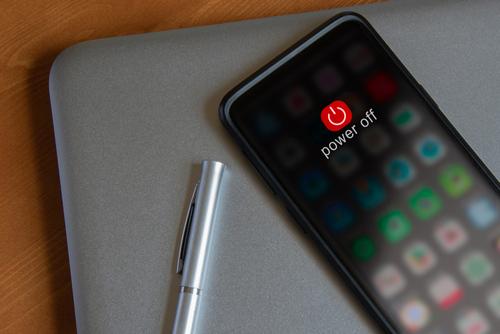 Rituals and routines are great for helping athletes prepare for a restful night of sleep and can lead to higher quality sleep with an optimized environment. Decreasing caffeine intake starting in the early afternoon, shutting the schoolbooks and laptops well before lights out, and decreasing stressful moments in the evening can all help make getting to sleep easier.
“I love a mindfulness practice before bed for athletes,” says Sumler. “Something like a progressive muscle relaxation activity can be really helpful, and I’ve found athletes tend to respond really well to it.”
Having these routines in place at home is ideal, but make sure they can be used on the road as well, since athletes are often traveling for matches and meets.
Recommend Making the Environment Sleep-Friendly
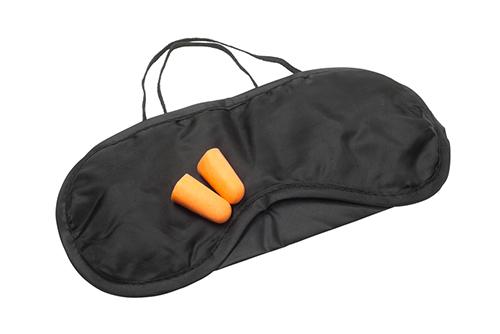 Cool, dark, and quiet are the top three recommendations sleep experts make when it comes to setting up for a great night of rest. The ideal room temperature is 66-69 degrees Fahrenheit, and the less light and sound, the better. In a shared room or while traveling, this could look like using ear plugs and an eye mask, while an athlete with their own room may have blackout blinds on the windows and a white noise machine to block out sound.
How Little Sleep is Too Little?
Athletes should feel comfortable coming to you for help with sleep if they are concerned.
“As soon as there’s a sleep concern, an athlete should be talking about it with their coach, caregiver, or another trusted adult,” says Sumler. “We can work to identify the issues and modify their environment to prevent a more severe case of insomnia from occurring. We don’t want to wait for it to become a severe problem, so I encourage athletes to talk to ask for help if they struggle to sleep more than three nights in a row.”
Coaches Need to Take Care of Themselves Too!
“I’ve noticed that coaches’ sleep also tends to be extremely deprived,” Sumler concludes. “There is so much focus placed on coaches being better and more compassionate. But if they aren’t sleeping well, it’s going to be really hard for them to have the emotional agility needed to respond compassionately or check in with athletes. So, this advice applies to coaches as well as athletes!”
______________________
Takeaway
Sleep is one of the most useful and underutilized tools in an athlete’s toolbox, but athletes are rarely encouraged to focus on sleep hygiene. Athletes should be sleeping 9-9.5 hours per night, and doing so will help young athletes perform better, and more importantly, significantly improve their mental well-being.