 If your team has a hefty travel schedule and you regularly compete in cities that are more than 3,000 feet above sea level, you may be concerned about how to ensure your sea-level-dwelling athletes are prepared for the higher altitudes. The good news is that you can mitigate some of the potential negative effects of altitude for your athletes so that they can focus on the game and not the thinner air. TrueSport Expert Kristen Ziesmer, a registered dietitian and board-certified specialist in sports dietetics, explains what you can do to ensure your athletes are prepared for altitude.
Know your altitude
Most destinations for travel sport teams won’t be at altitudes that will really affect your athletes’ performance, says Ziesmer. But anything over 3,000 feet above sea level, such as Denver, Colorado, will start to shift their hydration and fueling needs, as well as their perceived exertion.
Pre-hydrate
“Make sure your athletes are well-fueled and well-hydrated before they go,” says Ziesmer. “That really goes for any type of competition, but it’s especially important at altitude. Have them up their drinking game the week before, aiming to drink between 25 and 50 percent more than they normally would.”
… And keep hydrating
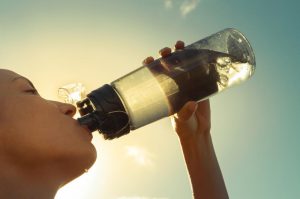
 “The same thing applies once you’re at altitude: Athletes should aim to drink about 25 to 50 percent more than they would drink normally,” says Ziesmer. “They should adjust their fluid intake based on the color of their urine—it should ideally be a lemonade-like pale yellow—and their weight. If they’re gaining weight, they can cut back on water, but if they’re losing weight, they should drink more.”
Remember dehydration signs may change
At higher altitudes, it’s easier to becoming dehydrated faster—and research has found that thirst cues are less reliable. “Your body is cycling through oxygen faster as altitude increases,” Ziesmer explains. “Higher altitudes also tend to be really dry, so athletes will sweat more, which makes them dehydrate faster. Typically, people also urinate more at higher altitude, which can add to dehydration.”
Check in on sweat rate
 Keeping an eye on the scale while at altitude is important, and if your athletes have done calculations on their sweat rates in the past, they may need to retest their sweat rates while at altitude. “Some athletes respond differently to altitude and to different weather situations,” says Ziesmer. “If an athlete is losing a lot of weight during exercise at altitude, then they need to adjust how much they’re taking in in terms of fluid during practice. They also need to appropriately rehydrate and refuel afterwards.”
Drink regularly, don’t chug
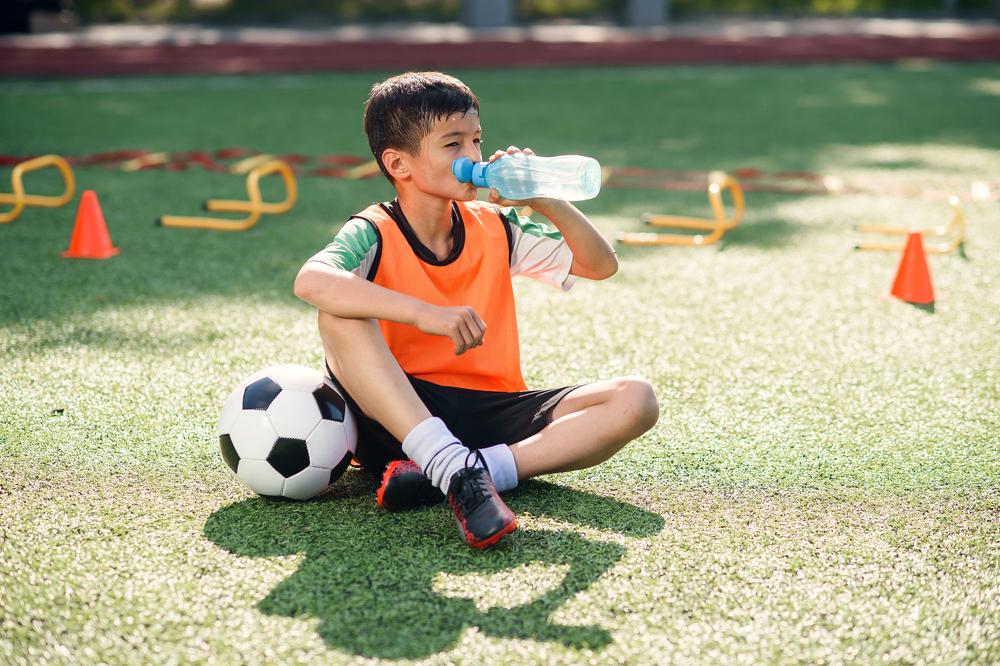
Throughout the day, athletes should be steadily drinking. Dehydration at altitude isn’t just happening from a lack of hydration during practice, it’s happening because athletes aren’t drinking enough during the rest of their day. “The best thing for an athlete to do is try to drink a little bit every 15 to 20 minutes, rather than just chugging a bunch of water when they have a break,” says Ziesmer.
Add electrolytes
“At altitude, because you’re sweating more, the body requires a bit higher electrolyte intake,” says Ziesmer. Not every drink needs to be a sports drink or electrolyte-infused, but Ziesmer favors splitting drinks between water and an electrolyte-based drink.
Fuel appropriately
While hydration is critical, proper fueling matters too. Traveling for training or competition can shake up an athlete’s eating routines and mealtimes, but because of the high energy output they’ll be expending during training or competition, it’s important that their carbohydrate stores are topped up. In fact, research has found that most issues related to altitude training are actually related to the increased training stress rather than the altitude itself. “Training camps and travel competitions mean that athletes need to be eating more, not less,” says Ziesmer. “But weird schedules and less access to food can make eating enough difficult.” Make sure your athletes have access to regular meals and healthy snacks that they can grab between practice sessions.
_________________________
Takeaway
Coaches are often responsible for athletes’ health and wellbeing while traveling, and when competing at altitude, hydration is especially important. These tips will help keep your team hydrated, feeling good, and performing well.