 Content Warning: This article contains mentions of bullying.
When it comes to preventing cliques and bullying behaviors, it’s best to be proactive. While it’s easy to get caught up in drills, rosters, and logistics, coaches who focus on building strong team-wide relationships from the first day of practice are less likely to run into the social problems, like cliques, that hurt teams and players.
TrueSport Expert Nadia Kyba, a social worker and expert in conflict resolution, explains how to avoid cliques forming, and how to deal with them if they do.
1. Understand the skill of team-wide relationships
“The more coaches can do in terms of relationship-building on the team, the better,” says Kyba. “It’s just as important as skill-building in terms of performance and athlete retention: it’s going to serve you when things go south or when people want to leave. The great coaches that I speak to are on top of avoiding cliques from day one.”
2. Recognize that cliques are natural
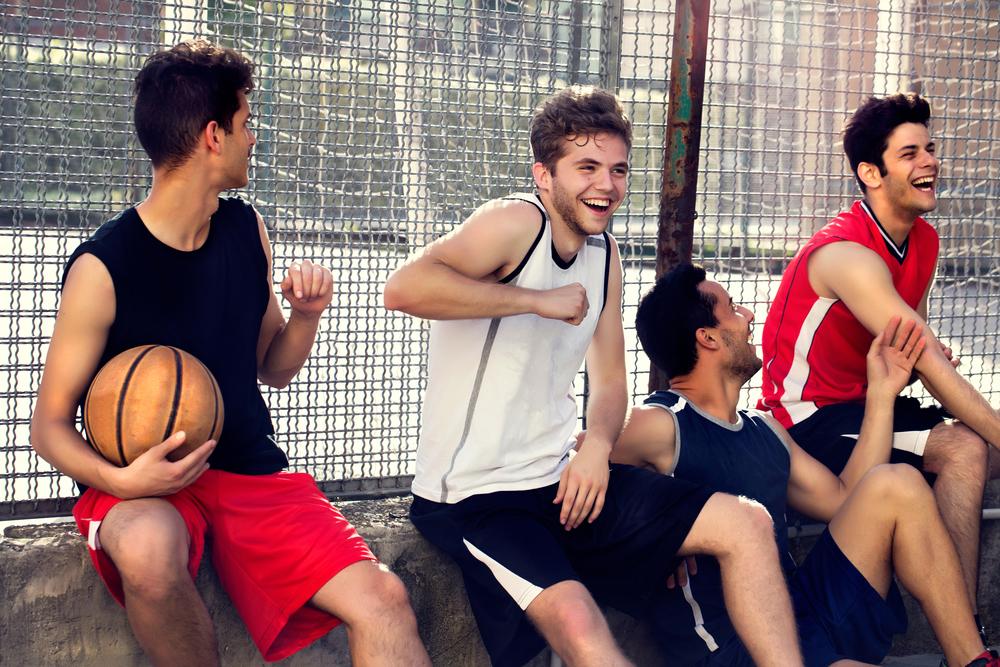 “Groups of kids who know each other from school or from different activities will naturally want to stick together because it’s comfortable,” Kyba says. “I think that it’s really important to acknowledge that it’s sometimes tough for kids to make new relationships, especially if they’re feeling insecure about their athletic abilities. Close friendships among teammates are fine and normal, but cliques are the negative side of small groups of friends in larger team contexts. When others are being excluded, that’s when a coach needs to step in.”
3. Explain why team dynamic matters
Many coaches make the mistake of gruffly splitting apart small groups of friends. Especially for young athletes, they may not understand why they’re being separated—and they may even feel as though they’re being punished. “Be really transparent about why you’re working to build relationships between everybody on the team, rather than just a few groups of people,” Kyba says. “If you can explain this, it’s easier for the kids to see that you’re not just out to ruin their lives.”
4. Make sure it’s not a punishment
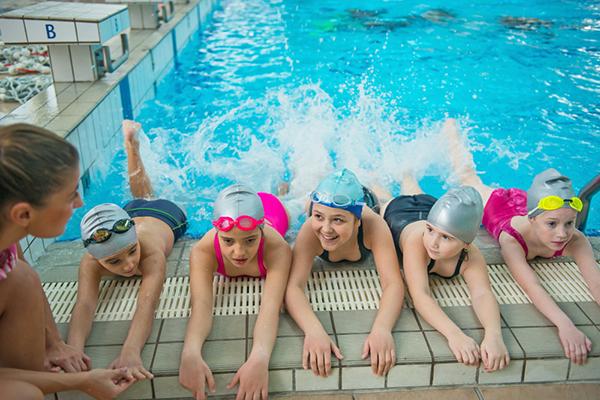 Many coaches let athletes pick their groups early on, and only split them up once the kids are acting up, being loud, or ignoring instructions. But that ultimately makes separating cliques into a punishment rather than a default for the team. ” Separating groups of friends from day one can ultimately create a better team dynamic,” Kyba says. “Normalize that by not letting athletes divide themselves.”
5. Split groups differently
“Be intentional about splitting groups differently on a consistent basis – even for social activities,” Kyba says. “If your team does a group dinner but everybody just sits in their little social circles, it’s not really doing anything to team-build.” You may need to assign tables or opt for activities that keep athletes moving around.
6. It’s a season-long process
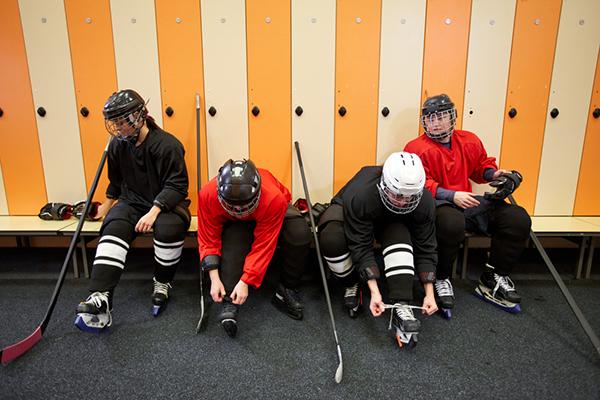 “I know a hockey coach who’s been coaching for 40 years. He works on building the team relationships from day one and has it down to a science,” Kyba says. “For example, he would assign lockers in the locker room and change them weekly. He would do icebreakers at every practice. He would even look at carpools and make sure that every single time, the carpools were different. He mixed up rooming assignments and seats on planes. He had it all logged in an Excel spreadsheet to keep track. It was a huge focus for him, and his teams did amazing as a result.”
7. Get parents on board
Don’t just tell parents you’re trying to avoid cliques: Make them part of the process! “That hockey coach also got the parents on board: he thought that it was really important for the parents to also role model team-building,” Kyba says. “He had the parents drive other kids that they didn’t already know in their carpools, so they could get to know the kids on the team. They also had to get to know the other parents—and parent cliques can be just as tough as athlete ones!”
8. If you see something, say something
One of the biggest mistakes a coach can make is ignoring a clique when it first starts to form, hoping it will go away or won’t cause a problem. “When you see a clique forming, it’s important to address it immediately,” Kyba says. “Get back to those icebreakers, randomize seats on the bus, and change up your practice teams.”
9. Don’t just separate
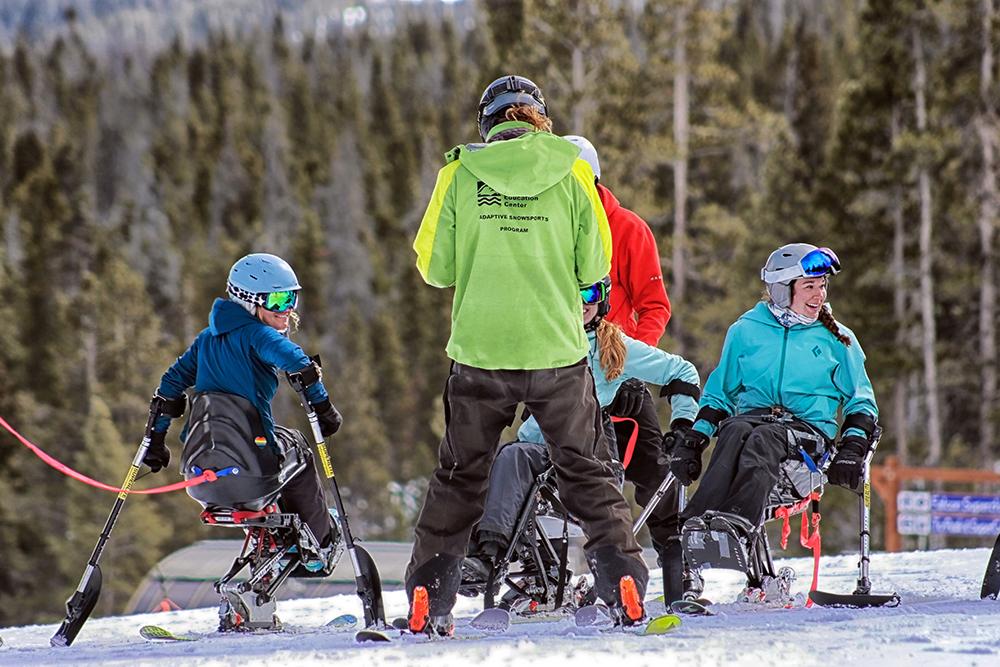 The biggest mistake coaches make when addressing the issue of cliques is separating, but not changing the behavior. Separating groups of athletes is a place to start, but unless you’re also focusing on building relationships between all of the teammates, your athletes are likely to end up resentful and unfocused. “Find ways that teammates can collaborate, even outside of competition,” says Kyba. “For instance, if a few athletes are creative, get them to do the team’s social media together. Give them a purpose and a reason to work together that isn’t just passing the ball.”
____________________
Takeaway
Preventing cliques is one of many ways to proactively avoid conflict on a team, including bullying behaviors. Use these tips from TrueSport Expert Nadia Kyba to prevent and address cliques on your team.