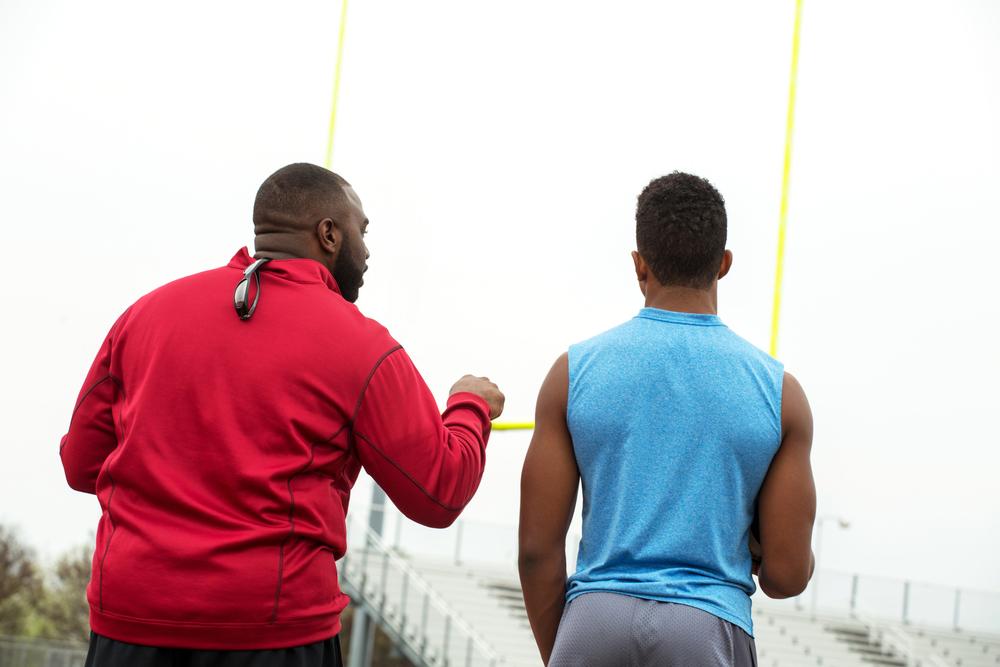
 You likely already know that beyond the physical benefits of playing an organized sport, young athletes are also in a great position to learn valuable leadership skills through sport. While some kids may not consider themselves natural leaders, it’s important for athletes to understand that they can learn these skills. But how do you, as a parent or a coach, hone those leadership skills and help athletes see the benefits of enhancing those skills in and out of sport?
Here, TrueSport Expert Deborah Gilboa, MD, explains how to ensure that the leadership skills learned in sport can translate to other spaces.
Teach athletes that leadership is a learnable skill
Many athletes, especially those who may be shy or introverted by nature, may not believe that they’re leadership material. But like dribbling a soccer ball or perfecting a swim stroke, leadership skills can be mastered with practice.
Have athletes create a list of leadership qualities at the beginning of the season (depending on the age, you may need to help them). Try to broaden their definition of being a leader from the basic ‘taking charge’ or ‘being outgoing’ to softer skills like empathy and listening. With this expanded definition of leadership, athletes can practice a style of leadership that feels most natural to them and is sustainable through sport and life.
Use athletics as a starting place to discuss leadership
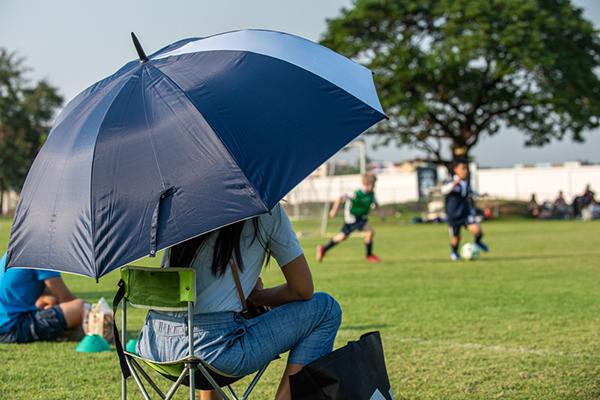 “As parents, it’s rare that we get to sit and watch our child for an hour, but when they’re playing a sport, we get to do just that: We get to observe our children from the sidelines,” Gilboa says. “The next time you do this, pay attention and catch them doing three things that you admire. It could be how they treated someone else, or how they handled themselves during adversity, or that they passed to a kid who’d been left out for most of the game. Then, on the ride home or during dinner, tell them about those things you noticed.”
The more positive aspects you can call attention to, the more you’ll see that behavior playing out. On the flip side, if you constantly point out negatives about your young athlete, it’s likely that you’ll see more negative behavior as a result.
Bring in alumni
For older athletes, getting to know athletes who graduated a few years prior can be a huge boost to their growth and development. “It’s really crucial to find people who have gone as far, or a little further, than your young athletes in their sport,” says Gilboa. “Get them to come to a practice to talk about what they learned through the sport and how it has helped them in the rest of their life.” This helps student athletes begin to understand how leadership in athletics can transfer to other parts of life.
Avoid being the middleman
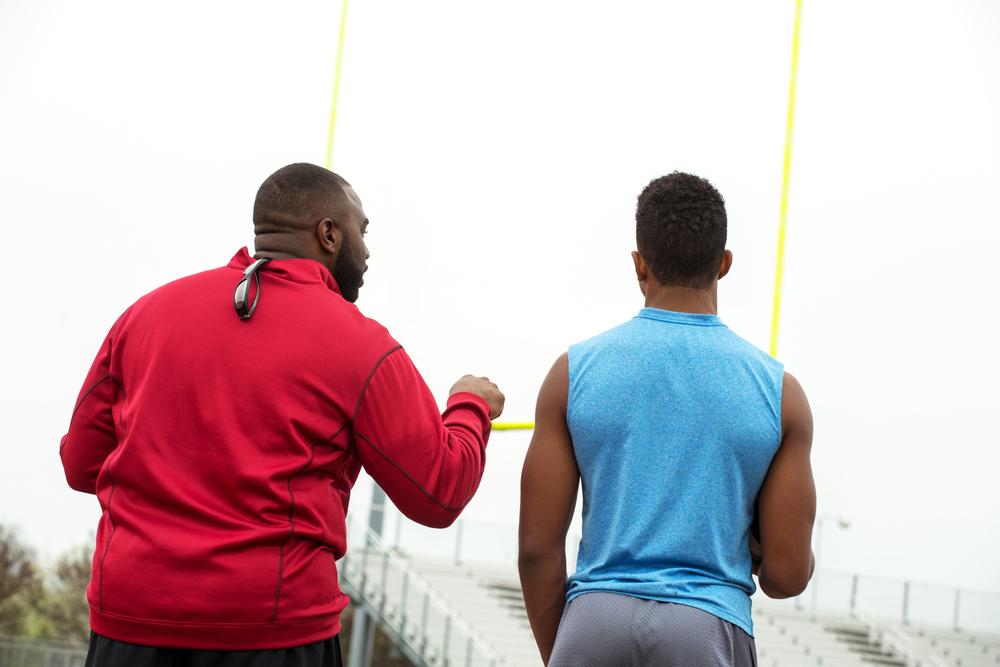 As a coach or parent, you may occasionally find yourself in the position of playing middleman between a young athlete and a teammate or adult. But Gilboa says whenever possible, try to avoid being a moderator and instead, help the young athlete take responsibility for hard conversations. For example, if you’re a parent and your child is complaining that they don’t get enough playing time, don’t call the coach on their behalf. Instead, help your athlete prepare to have a conversation with the coach.
Unless your athlete reports feeling unsafe or you’re worried that the situation is unsafe, help your athlete be his own advocate whenever possible. “If they’re not in danger, they’re just uncomfortable,” Gilboa says. “This is a chance for them to learn new communication skills and improve their emotional intelligence and resilience.” These skills are the foundations of a strong leader.
Coach athletes to practice resilience
“Being able to build connections, set boundaries, stay open to new ideas, manage discomfort, set goals, find different options, take action, and persevere in tough times are all qualities of a resilient person, as well as a great leader,” she says. Make sure those skills make it onto your athlete’s leadership quality list and point out whenever you notice that your athlete is displaying one of those skills. For example, perseverance could mean staying late at soccer practice to help a teammate master a certain kick.
_________________________
Takeaway
There are many styles of leadership that make it possible for athletes with various personalities to become leaders. Leadership qualities can be honed during your athlete’s time in sport and applied both in and outside of sport.