
 Content Warning: This article contains mentions of bullying.
Helping your young athlete understand the difference between an uncomfortable situation and an unsafe situation can be incredibly difficult. “We have to protect our children from danger,” explains board-certified family physician and TrueSport Expert Deborah Gilboa, MD, but we shouldn’t necessarily protect them from discomfort. A specialist in youth development and resilience, Gilboa wants parents to understand that in order to help children develop the resilience and skills they’ll need for adulthood, they must learn to deal with discomfort. In fact, stepping in and solving all their problems can actually hurt them in the long run.
Here’s how you can help young athletes recognize the difference between uncomfortable and unsafe so that they can both develop resilience and avoid danger.
Understand your role
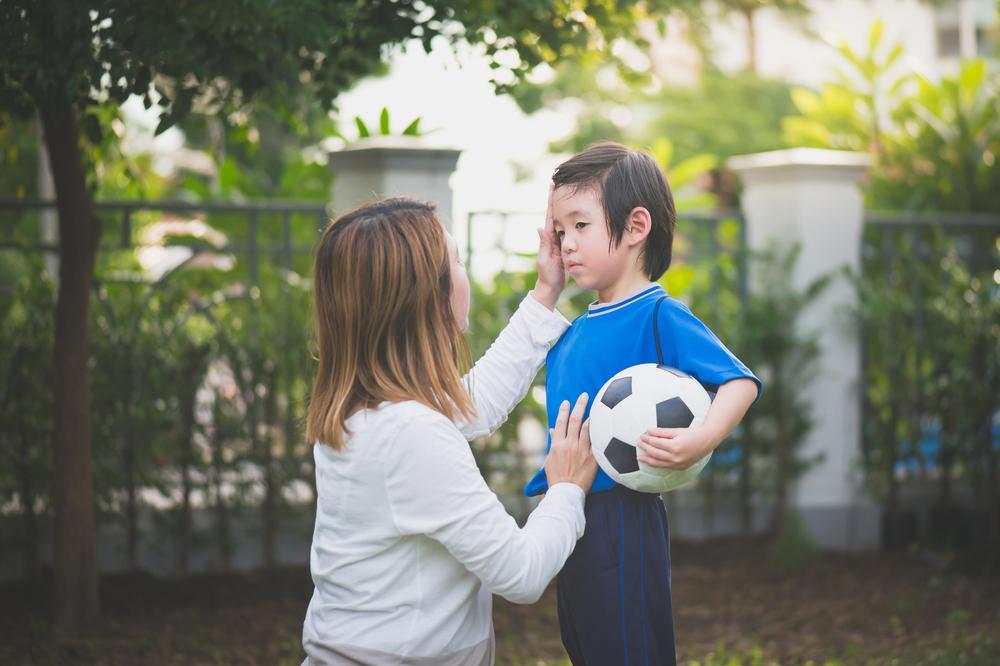
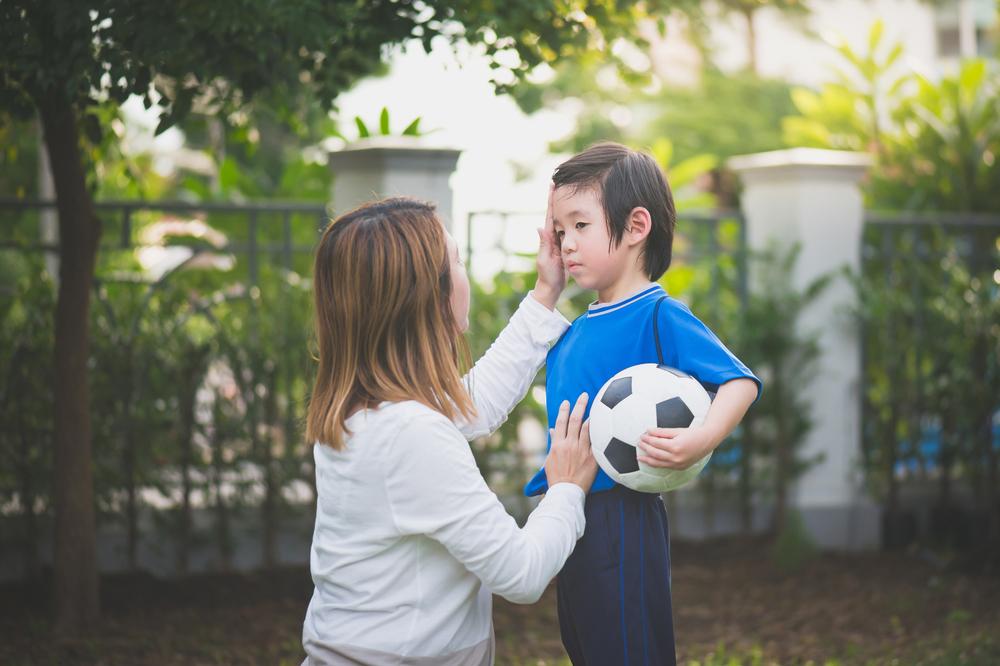
“It is our job to protect kids, or at least warn them about things that can cause harm,” Gilboa says. When a situation is uncomfortable, it can typically be looked at as a learning experience for your child, one where you can help them decide on a course of action, but ultimately, allow them to be responsible for the outcome. An unsafe one, on the other hand, likely requires your intervention to remove the danger and/or alert the proper authorities. Both require your understanding, empathy, and belief.
Understand unsafe versus uncomfortable
Uncomfortable can be difficult for young athletes to cope with, but it’s not the same thing as unsafe. “A student once told me, ‘Uncomfortable can lead to bruises. But unsafe can lead to scars,’” Gilboa says.
One activity she likes athletes to do with their parents or as a team with their coach is to create a Venn Diagram of things that are unsafe versus uncomfortable and see where the two overlap. Come up with definitions of each early, so that athletes understand when they should seek help from an adult. “This process also opens up a dialogue so that when a kid brings a problem to you, you can have a better conversation about the next steps that both of you should take,” explains Gilboa. And of course, make sure that kids know that if there is anything that makes them feel unsafe—whether it’s on the diagram or not—they can come to you with any problem.
Believe your child
 “We have to trust our kids,” Gilboa says. “You may remember that on Sesame Street, the Snuffleupagus character was once invisible to adults. The viewers at home and the kids in the show could see Snuffleupagus, but the adults on the show couldn’t see him and didn’t believe that he was there. Sesame Street realized that this was modeling a bad lesson for kids and for parents watching at home: that kids could say something happened to them or that they noticed something, and parents wouldn’t believe them. Of course, kids will make things up sometimes. But we should default towards believing that their point of view is valid and true, because that’s how we can keep kids safe.” So, when your child tells you that something happened or made them feel a certain emotion, default toward checking it out versus telling them that their feelings are wrong.
Step in if it’s unsafe, but follow up
When you do need to fix an unsafe situation, parents can always talk to a coach, principle, other authority figure, or law enforcement official. But after that, don’t try to hide what happened from your kids. “Think about if there is something in the situation that your child should learn to prepare them for other problems in adulthood,” Gilboa notes. “You will not always be there.”
If, for example, your child is getting bullied by another player on the team, you may need to step in and speak to the coach. But afterwards, can you have a conversation with your child about how they could advocate for themself next time?
Unsafe and unhappy aren’t the same thing
Step in if safety is an issue—but don’t try to solve every grievance. “It is not an adult’s job to keep kids happy at any given moment,” Gilboa says. “Our job is helping kids grow. And you can’t grow if someone is constantly fixing everything for you. You don’t get to learn anything, you don’t get to try and fail, you’re not motivated to try and change anything yourself. It’s by trying to affect change to relieve discomfort that we actually learn and grow.”
Use discomfort as a learning tool
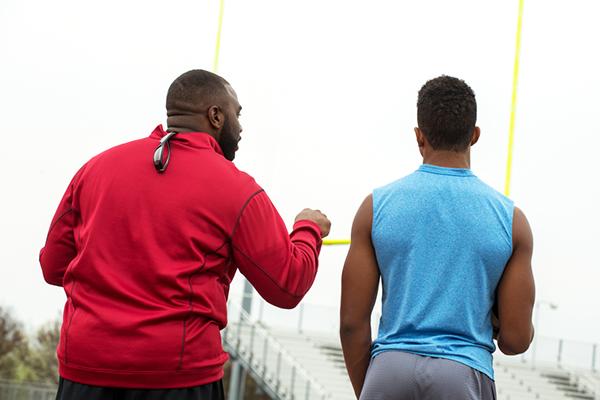 “Managing discomfort is a skill that builds resilience because nobody grows when they’re comfortable,” says Gilboa. If your athlete cannot handle being uncomfortable, they will always be stuck in the same comfort level. Managing discomfort might mean urging your child not to quit a team because he’s struggling at practice, or it might mean helping her work through a problem with a teammate rather than switching to a different club.
___________________________
Takeaway
Adults are responsible for keeping kids safe, but it’s important for both adults and young athletes to recognize the difference between unsafe and uncomfortable so that athletes can face and grow from uncomfortable situations.