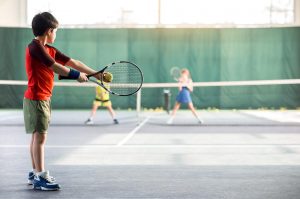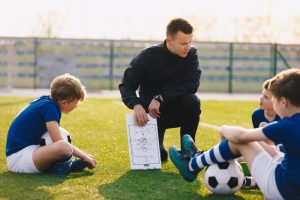
With many schools opting out of organized sports in the wake of the COVID-19 pandemic, parents are looking at a long winter with kids at home immediately after school, or possibly home 24/7 if your district has gone remote. This can make it difficult to keep athletes excited about practicing their sport or staying active in general. But it’s not impossible!
Think laterally about movement right now: Aim to keep your young athlete as active as possible, rather than focusing on sport-specific intensive practice regimens. Remember, the CDC recommends that kids between 6 and 17 get at least one hour each day of moderate to vigorous activity, and that they’re doing some type of bone-strengthening and muscle building activities (like running and push-ups, respectively) three days a week. How can you make that happen?
Here are a few ideas to keep kids active, even in the winter months and without organized sports.
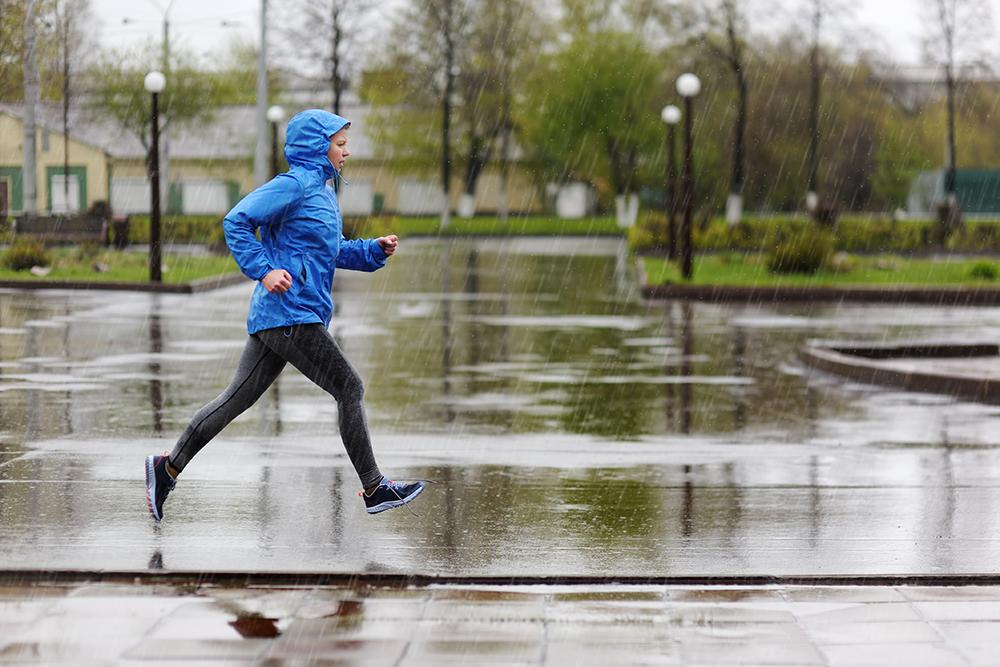
Set ‘outside hours’
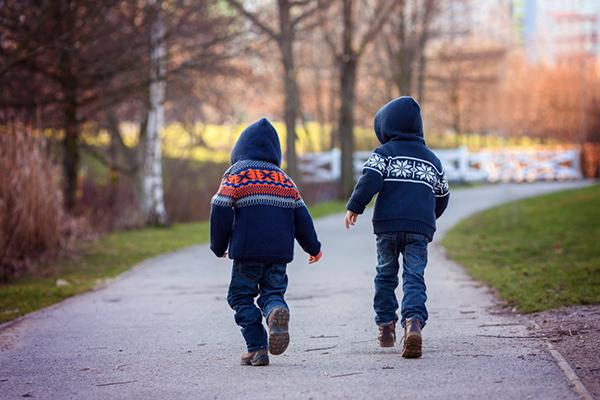 With very little daylight during non-school hours, it’s easy to go for days at a time without getting outside. To avoid this, look at the sunrise and sunset times and set an ‘outside hour’ (or 30 minutes) as often as possible. Some weeks that might mean before-school outside time, and other weeks, it might be easier to light up the backyard or go to a well-lit park for some movement. On less structured weekend days, make sure that your young athletes are getting out in the sun and fresh air whenever possible.
Find or create a community
Maybe your child’s team is already doing some virtual training together that makes this option simple, but your athlete can also take creating a virtual community into their own hands by reaching out to active friends or teammates. They may not be able to hold practices together, but they can all follow a similar practice schedule and do some workouts together via Zoom or Facetime. Depending on where you live, they may even be able to gather in small groups for outdoor training time.
Make getting outside easy
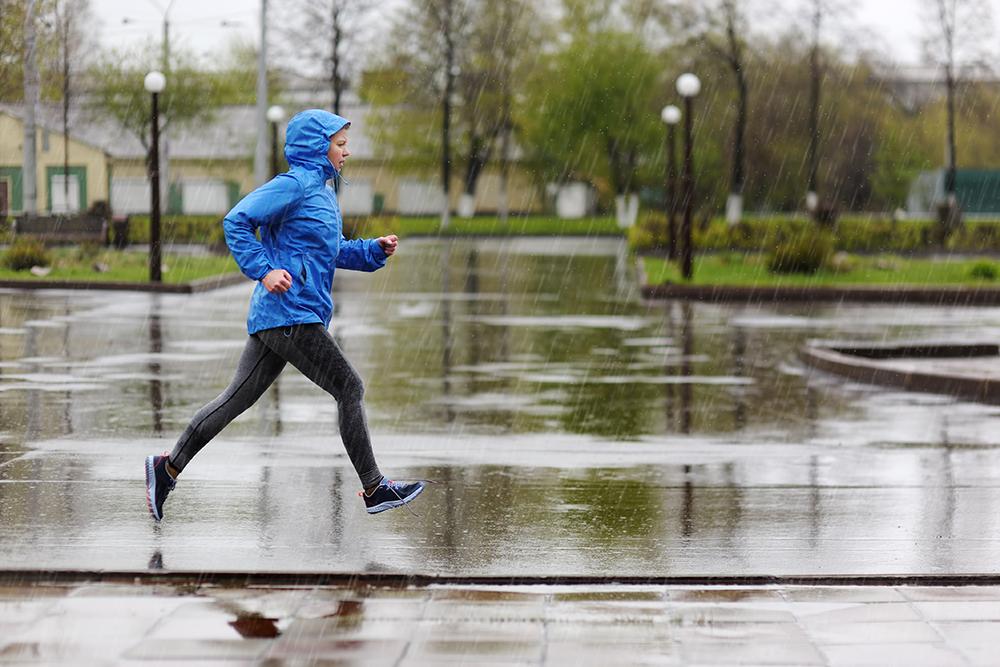 When it comes to getting kids more active outdoors, it’s critical to lower as many barriers to entry as possible. For example, make sure your kids have properly fitting clothes and shoes for the weather, as well as easy access to rain and snow gear that they also know how to maintain. If you need specific gear like hockey pads or sticks, ask the coach if you can borrow it while in-person practices are on hold.
Make it a competition
According to a 2016 study, people are most likely to stick to fitness goals if they have a competitive element. Without school or club sports, your athlete may feel like there isn’t a point to staying fit, but there are plenty of challenges that they can still take part in. Older athletes can set up friendly competitions—like a push-up challenge—with each other, using a Google Spreadsheet to keep score. There are also hundreds of options for virtual challenges to keep the competitive spirit alive even though normal sporting events are severely curtailed. Rather than playing soccer twice a week, your young athlete might be able to try something new, like a month-long running challenge.
Have fun with it
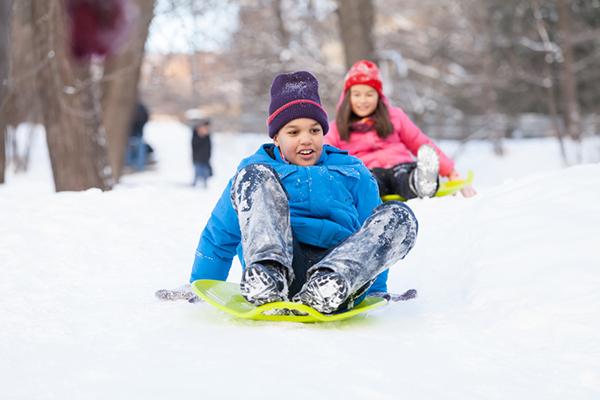 If you live in a snowy area, take advantage of the many snow-dependent activities that are both fun and healthy. Things like snowball fights, sledding, and shoveling the driveway are great ways to be active without the monotony of a standard workout. And of course, there are fun indoor options: Your child may not want to do a typical weight training circuit, but what about learning the latest viral dance?
Set some goals and expectations
To keep your child from burrowing in and making a permanent butt-shaped dent in the couch as the weather worsens and social gatherings become more restricted, sit down and write out some goals and expectations together. Discuss how often and for how long your athlete should be exercising or practicing each week, as well as some different options and alternatives. Basketball practice in the driveway can continue until it’s too cold to shoot hoops outside, so pick an alternative ahead of time, like a yoga YouTube video for basketball players.
Post your made-up schedule where you normally would put a standard practice schedule or season goals and commit to these sessions the same way you treated normal practices. If commitment is an issue, you might need to set further boundaries, such no TV time or video games until after a workout.
_______________________________
Takeaway
Use these tips to help keep your young athletes active as it becomes harder for them to engage in organized sports due to COVID-19 and to get outside due to winter.