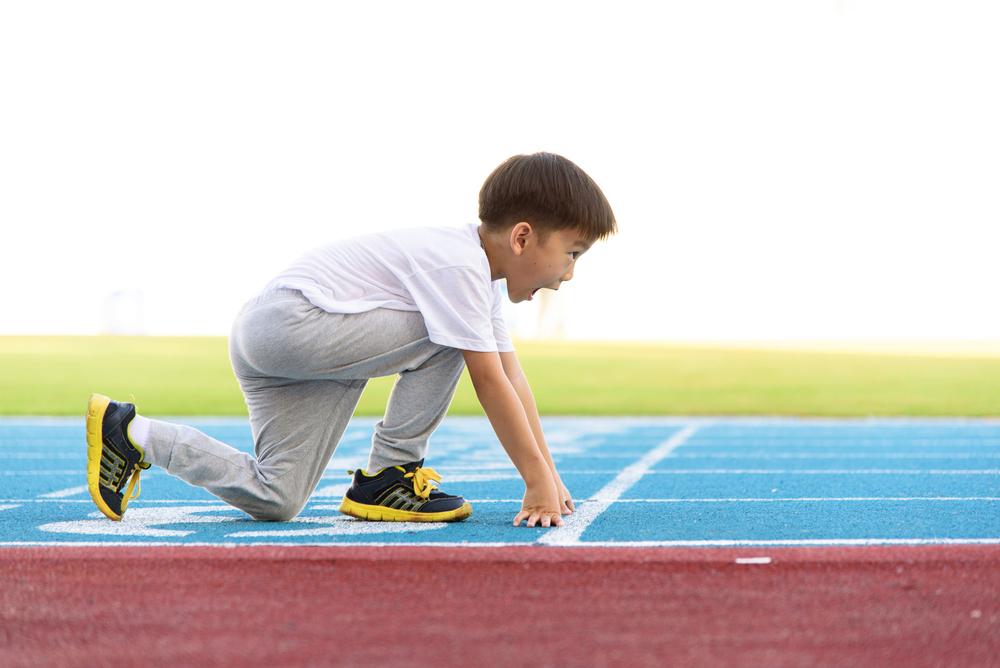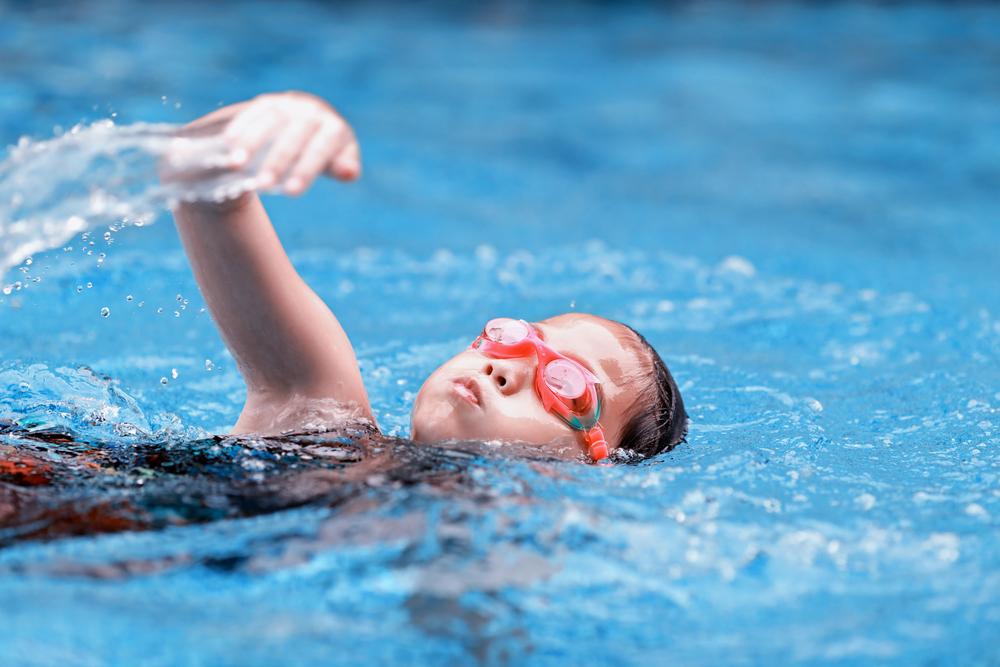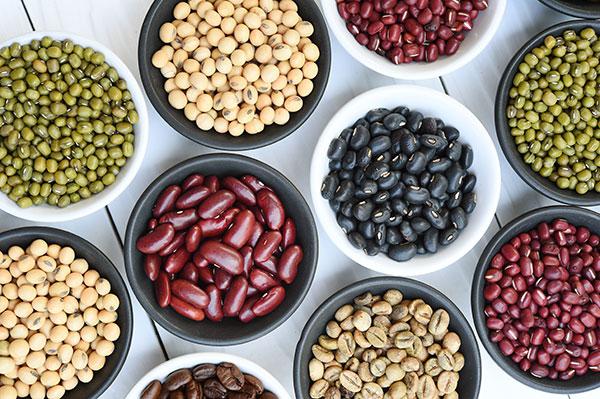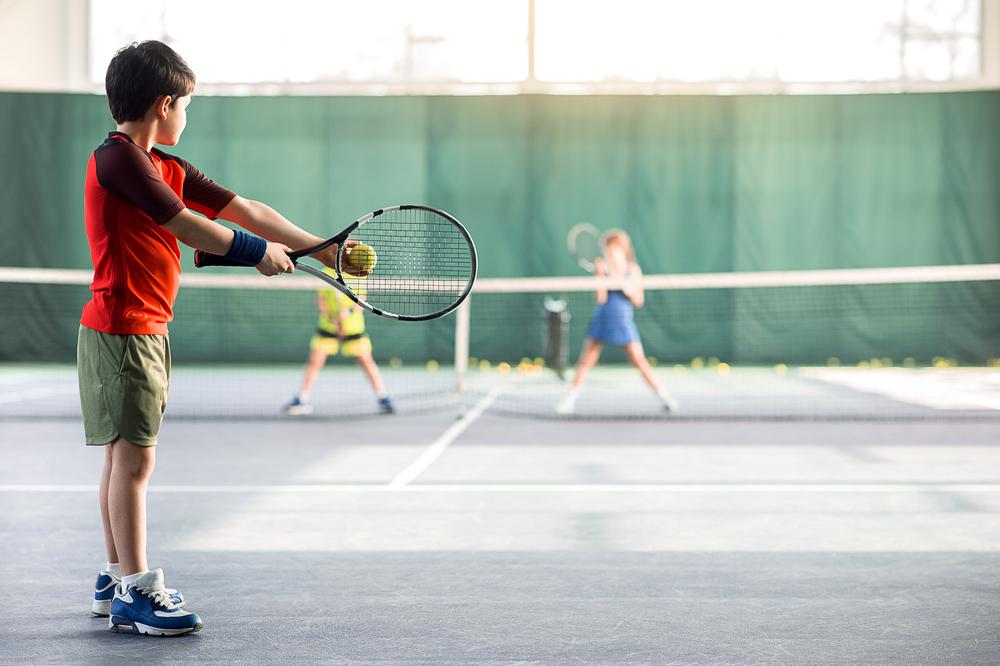
If you’ve ever spent a weekend at a youth sports tournament, you know the drill—early mornings, long days, and alternating bursts of high energy and downtime. Between all the games, driving, and cheering, one of the biggest challenges can be keeping your young athlete well-fed and energized.
Planning ahead with a well-stocked cooler can make all the difference. With the right mix of energizing foods, recovery snacks, and hydration options, you’ll help your athlete perform their best all day long. Here’s how to pack nutritious, practical foods for every phase of your athlete’s tournament weekend.
3–4 Hours Before Game Time
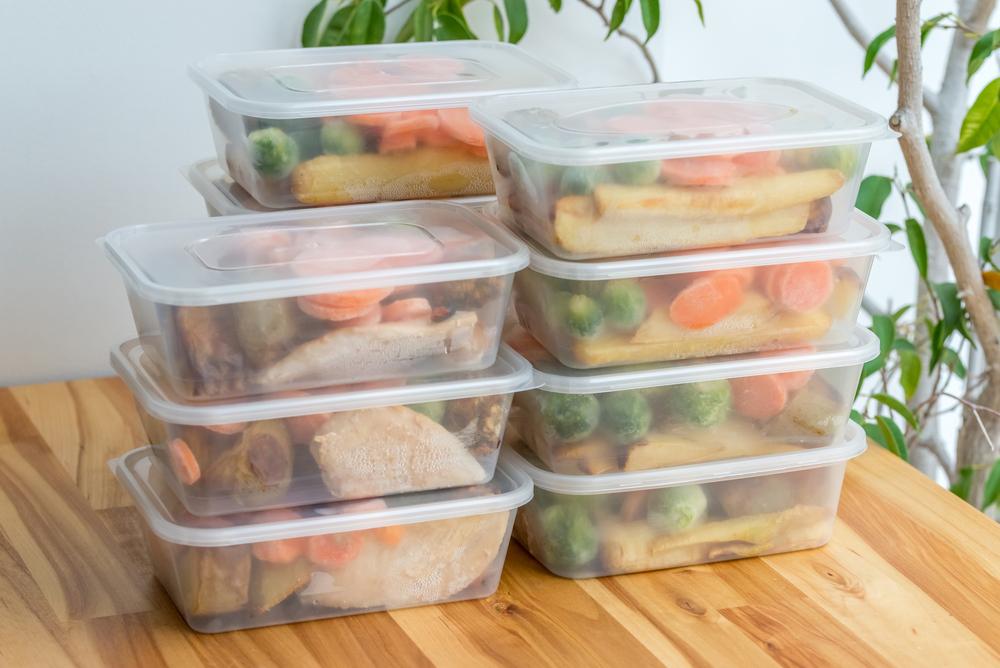
A full meal should be eaten about 3–4 hours before competition. The exact timing depends on how well your athlete tolerates eating before activity. Aim for a carbohydrate-rich meal for energy, with moderate amounts of protein, fat, and fiber for easier digestion.
Smart options to pack include:
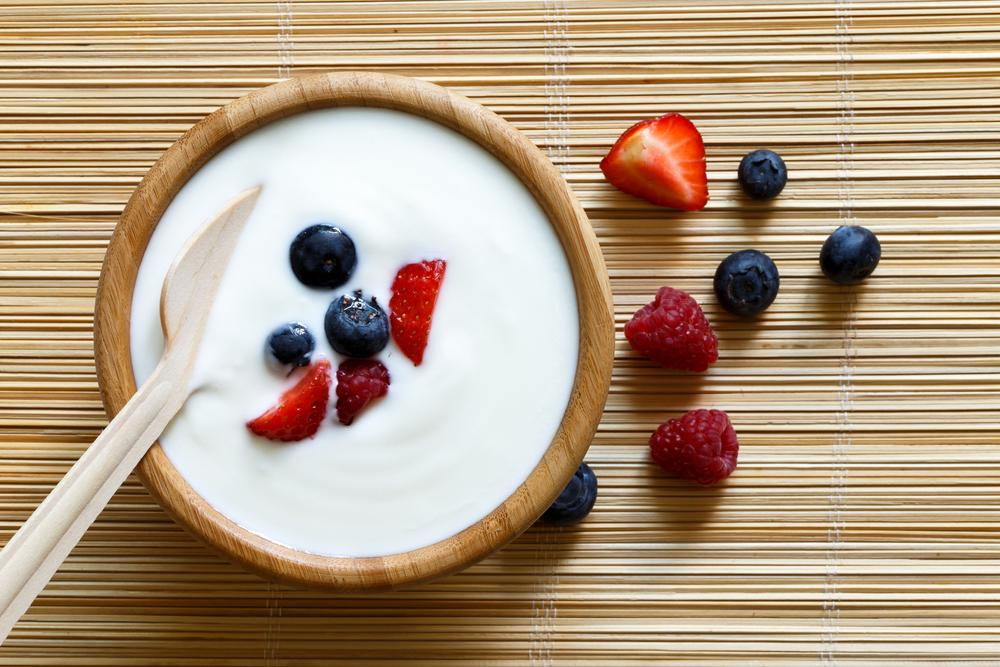
- Turkey and cheese sandwich on whole grain or white bread, with a flavored Greek yogurt cup and fruit
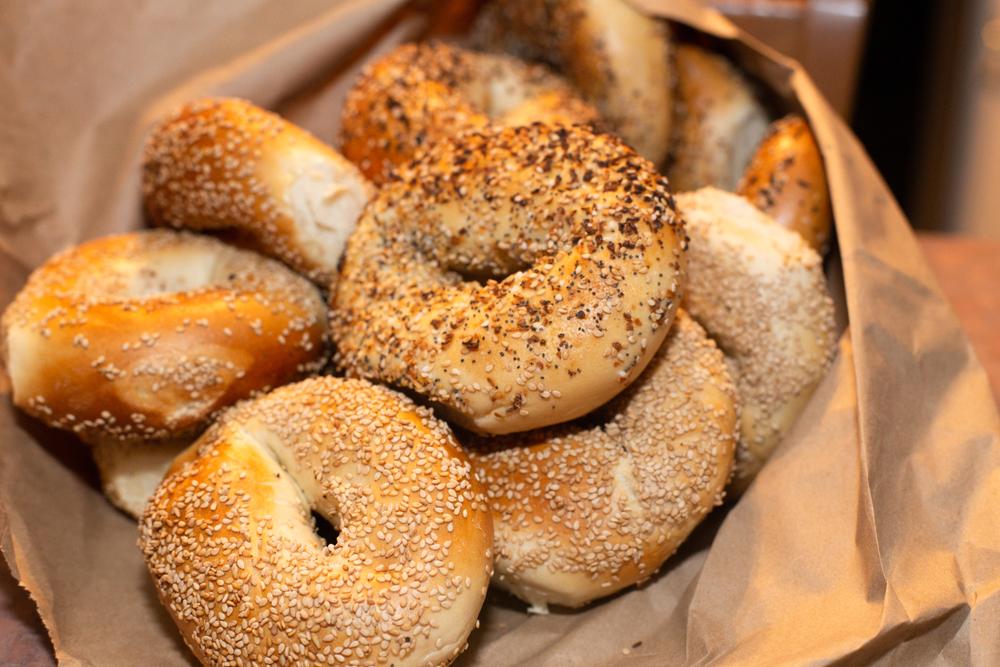
- Whole wheat bagel sandwich with peanut butter, banana slices, and granola
- A hearty bowl of overnight oats made with milk of choice, nut butter, seeds, and fruit
- A grain bowl with rice or quinoa, chicken, veggies, and dressing or dip like hummus or tzatziki
- Peanut noodle bowl with chicken or tofu and shredded veggies
- Chicken Caesar salad wrap with hummus and pretzels
- A “snack meal” with hummus and veggies, a fruit and yogurt parfait, and crackers
30–60 Minutes Before Game Time
 Now’s the time to “top off the tank” with quick energy that’s easy to digest. Choose high-carb foods low in protein, fat, and fiber. While veggies and lower carb fruits are nutrient-dense, they don’t provide enough fast energy on their own. As explained in the TrueSport Nutrition Guide, carbohydrates before activity help restore glycogen stores—your athlete’s fuel for sustained performance.
Good pre-game snacks include:
- Bananas
- Grapes or clementines
- Crackers or pretzels
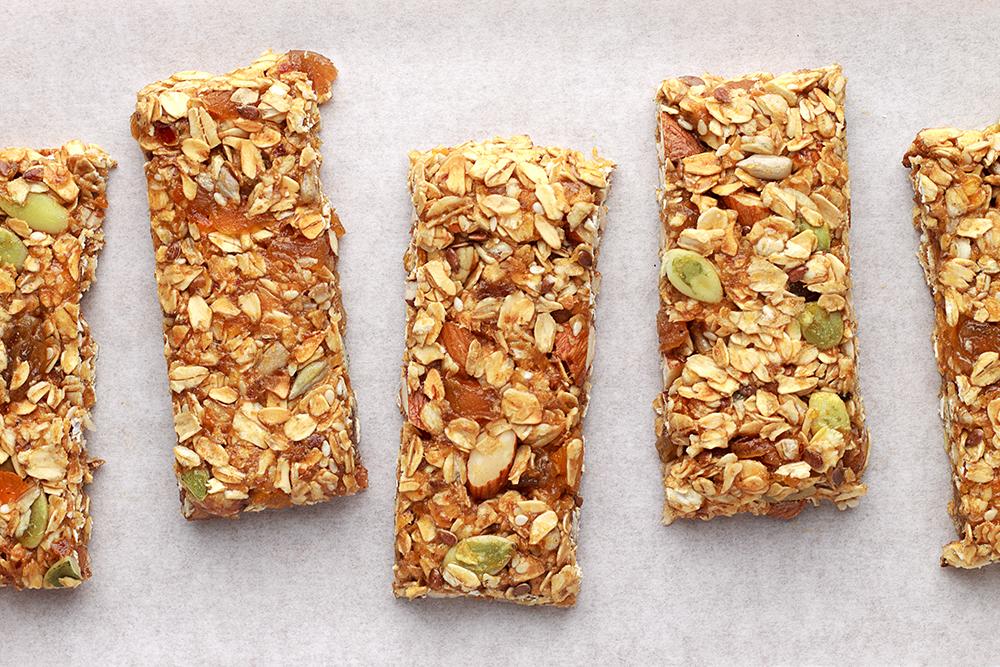
- Granola bars or crispy rice treats
- Fruit snacks
- Sport waffles
- Dried fruit like mango
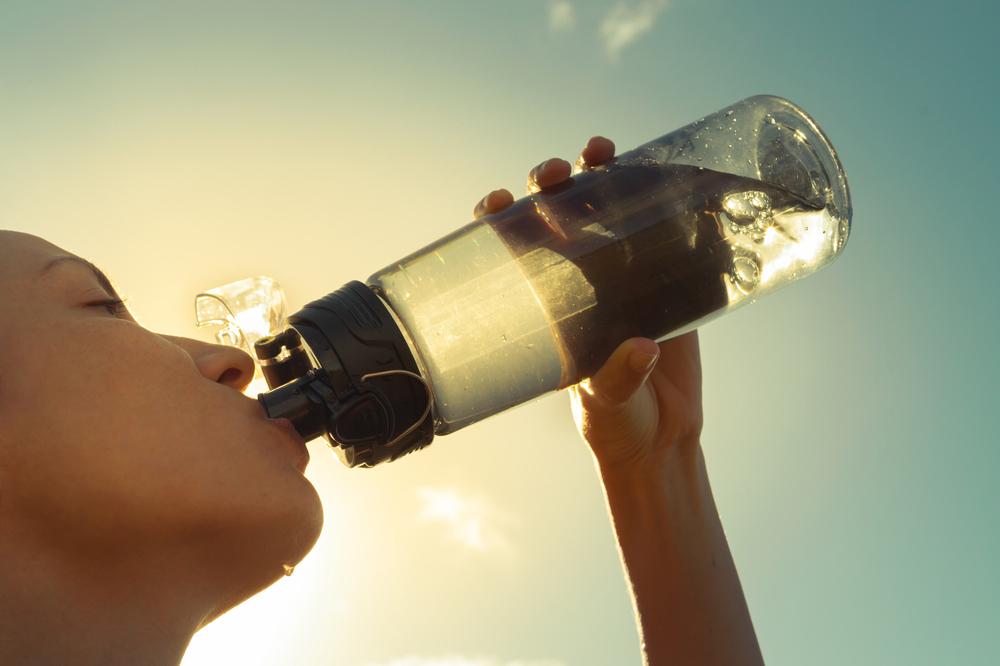
This is also a great time to focus on hydration. Encourage athletes to sip on water or, if needed, a sports drink that provides both fluids and carbohydrates for quick energy
Between Events
If your athlete has multiple games or events, refueling between them is essential to keep energy levels up. Nutrition between sessions helps “recharge the battery” in their muscles and supports consistent performance—especially in high-intensity sports like soccer, hockey, or lacrosse.
- If there are a few hours between games: Pack a balanced meal similar to the pre-event meal—carb-focused with moderate protein, fat, and fiber. A simple PB&J with fruit (like a banana or grapes) is easy to eat and easy to pack.
- If there’s less than an hour between games: A lighter snack rich in carbohydrates works best. Small additions of protein—like a yogurt cup, cheese stick, handful of nuts, or some jerky—can help keep hunger at bay without upsetting the stomach.
Some athletes have smaller appetites between events, and that’s okay. In those cases, focus on carb-dense foods or liquid options like sports drinks, chocolate milk, juice, pretzels, or dried fruit for quick energy.
Don’t underestimate hydration here, either. A dehydrated athlete tires faster because their muscles aren’t getting enough oxygen. Cold beverages can encourage more consistent drinking, so keep water and sports drinks chilled in the cooler.
After the Tournament
After a long tournament day, recovery nutrition becomes the priority. The goal is to replenish energy stores and rebuild muscles. Ideally, have a recovery meal within 1–2 hours after the last game.
If a full meal isn’t immediately available, start recovery with something small—like chocolate milk, a piece of fruit, or crackers—then follow with a proper meal when possible. Good post-tournament meals include pasta, sub sandwiches, rice bowls, or even pizza, since these foods deliver the carbohydrates the body needs to restore energy. Adding fruits, vegetables, and lean proteins supports overall recovery and nutrition.
A sweet treat like ice cream can also be a surprisingly helpful recovery ‘tool,’ as it is rich in energy and carbs.
If the tournament continues the next day, consistent eating becomes even more important. Try not to skip meals, and make sure each one includes carbs, protein, and produce to keep the body ready for the next round of activity.
______________________
Takeaway
A well-packed cooler can make tournament weekends smoother, healthier, and far less stressful. By planning meals and snacks that emphasize carbohydrates—with moderate protein and plenty of fluids—you’ll help your young athlete stay fueled, focused, and ready to perform.
Remember to:
- Eat a balanced meal 3–4 hours before games.
- Choose easy-to-digest, carb-rich snacks 30–60 minutes before playing.
- Replenish energy between events with meals or quick snacks.
- Stay hydrated throughout the day.
- Focus on recovery with carbs and protein after the final game.
With a little preparation, your cooler becomes your athlete’s secret weapon for energy and endurance all weekend long.
ORIGINAL PUBLICATION DATE: March 21, 2016