
 When your athlete is recovering from a sports injury that’s keeping them from taking part in practice and play, proper nutrition becomes more critical than ever. Eating well during this time can speed up healing and a return to play, while overindulging in junk food can actually set recovery back. Here, TrueSport Expert Kristen Ziesmer, a registered dietitian and board-certified specialist in sports dietetics, explains how to use nutrition to help recover from a sports injury.
Eating healthy is eating for injury
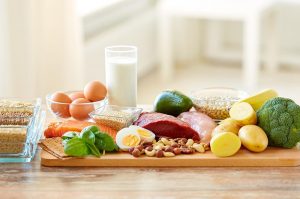
 The good news is that a generally healthy, whole food-based diet is the primary defense when it comes to healing injuries, says Ziesmer. “Cut down on processed foods and focus on whole foods,” she explains. “Don’t restrict carbohydrates, but opt for whole grain versions versus white flour. Fill up on fruits and vegetables. Make your protein intake slightly higher, but only increase it by around 10 percent. And focus on good sources of fat, including nuts and seeds, avocado, olive oil, and fatty fish like salmon or tuna that contain high amounts of Omega3 fatty acids.”
This doesn’t mean your injured athlete can never have potato chips, she adds, but ultra-processed foods should be reduced. “Watch out for how many processed foods your athlete is having. Avoid processed meat like bacon or sausage, and most pre-packaged foods,” she explains. “Those processed and ultra-processed foods can raise the level of inflammation in the body and make it harder for the body to heal.”
Lower sugar intake
It may be tempting to overindulge your injured athlete with ice cream and treats, but Ziesmer cautions against it. “Limit the amount of sugar that your athlete is having because that also raises the level of inflammation in the body,” she explains. “Plus, it’s just excess carbohydrates that the body doesn’t need when your athlete is unable to train at the same level as before, so that could turn into excess weight.”
Be careful here: While research has shown that obesity can lead to a heightened risk of injury when playing sports and it’s important to help your athlete maintain a healthy weight at this time, it’s also critical to avoid creating issues around body image that may come from not being able to play their sport.
Skip supplements
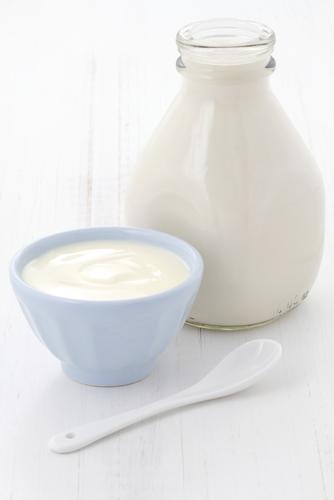 Your goal should be to establish a ‘food-first mentality,’ so giving your young athlete a handful of supplements isn’t the best solution to healing an injury—nor is it the most effective. Rather than relying on supplements, look for foods that are rich in antioxidants, vitamin D, C, E and A, says Ziesmer. “Taking vitamin C and A or antioxidants in supplement form can actually inhibit muscle recovery because it’s too high of a dosage. So, forget about the supplements and eat healthier foods,” she says. “Dark leafy greens and citrus fruits are great. For vitamin D, just make sure your athlete gets outside for 30 minutes each day, ideally in the middle of the day. And if your athlete has a bone or joint injury, some calcium is going to help, so add a little bit more milk or yogurt to their diet.”
For more information on supplements and the risks, check out the TrueSport Supplement Guide.
Hydrate properly
It’s easy to forget about hydration when you’re not in training mode, but fluids are still critical. “Water is involved in every process that goes on in your body,” Ziesmer explains. “So, it’s definitely important to make sure that your athlete is getting more water because that’s going to help to carry more nutrients throughout the body, which is critical for healing.” Focus on water, not sports drinks, since your athlete won’t need to replenish glycogen or electrolytes as much during their time on the bench.
But don’t just think about water: Bone broth is a great way to hydrate while providing vital nutrients to injured athletes. “Gelatin helps any type of injury of tendons or ligaments,” says Ziesmer. “Bone broth is a great way to add that to a diet.” If your athlete isn’t excited about the idea of bone broth, hide it by adding vegetables and noodles to make it a more traditional soup for lunch or dinner.
Look on the bright side
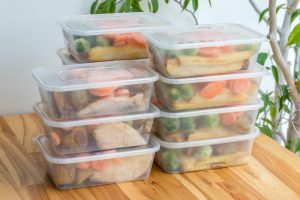
 While your athlete is recovering from an injury, this might be the optimal time to help him or her get interested in nutrition and cooking. “Your athlete likely has more free time during recovery,” says Ziesmer. “This can be a great time to help them learn some basic kitchen skills and hone a few healthy recipes.”
Try to help your athlete see this as an opportunity to focus on all the healthy habits that will keep them at the top of their game after recovery. Outside of the kitchen, this could also include things like getting enough sleep, doing recommended physical therapy exercises, and practicing mental skills like visualization.
______________________
Takeaway
It might be hard to imagine that nutrition and recovery are connected, but these nutrition tips can make a big impact on your injured athlete’s return to play.