

 Coaching isn’t easy…there is pressure from parents, administrators, and athletes – all with different agenda and needs. These days, helping athletes through mental health struggles and tough times can also be part of your role as a coach. But your mental health matters too. Now more than ever, it’s easy to end up feeling overwhelmed, anxious, depressed, and burned out, or simply that you’re taking too much work home from practice.
Here, TrueSport Expert Kevin Chapman, PhD, clinical psychologist and founder of The Kentucky Center for Anxiety and Related Disorders, shares signs that your mental health might be suffering, and when to seek professional help.
Sign #1: Taking things personally
If you find yourself holding back tears or wanting to punch a wall during a practice or competition, that could be a sign that you’re taking your team’s progress entirely too personally, says Chapman. Your emotional wellbeing shouldn’t be dictated by how a practice went, or even by a player on the team who is struggling. If you notice that your emotions are attached to your work and to your players, you need to cultivate some separation. Empathy is important, yes, but not at the cost of your own mental health. You can be empathetic with players and care about their progress without hurting yourself in the process. “If you’re feeling significant distress regularly, it’s time to get help,” Chapman adds.
Sign #2: Trouble controlling emotions
 Some coaches are naturally more boisterous than others: Shouting during practice isn’t necessarily a bad thing, but if you notice that you’re suddenly shouting constantly and you’ve never done so before, that’s another sign of emotional dysregulation. Think of it as a warning sign or a ‘check engine’ light. “If I’m noticing that I’m yelling more than I typically do, or that I’m swearing more than I ever do, then that would mean I’m starting to get dysregulated,” Chapman says. Even if you’re saving the cursing for the coach’s meeting, that could still be a signal that something isn’t right.
Sign #3: Ineffective coaching
It’s no surprise that a coach who’s struggling with their mental health is typically going to be a less effective coach. You’re more likely to be distracted during practices and games, and more inclined to make bad calls. But players can also often sense that something is amiss: Kids have a surprisingly good emotional radar, and they tend to notice when a coach is acting ‘weird.’ Chapman suggests asking yourself practical questions like: “Are my moods impairing my functioning? Am I impaired in my ability to coach effectively? Am I performing poorly because I’m so distressed by my own emotional experiences?”
Sign #4: Sleep disruption
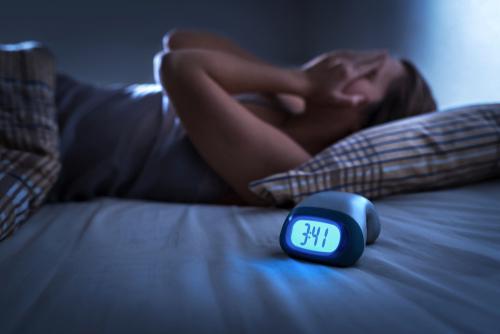 On the more practical side, sleep disruption is one symptom that often goes hand in hand with anxiety, emotional dysregulation, depression, and burnout. Sleep disruption could be insomnia or struggling to get to sleep, says Chapman, or it could be the onset of lingering fatigue that forces you to sleep more than usual. If your sleep schedule has changed dramatically, that’s a signal that something might be wrong. Other physical signs may include things like digestive upset or more frequent headaches.
Sign #5: Unhealthy behaviors on the rise
The last sign is one that will look different for every coach: unhealthy behaviors. For some, this may be as small as suddenly becoming chronically late for everything. For others, it could look like stress eating, or staying up late to watch TV even when you know you need sleep. It could also mean more dangerous behaviors, like drinking more than you usually do, says Chapman. Ultimately, you’re the best judge of if you’re shifting into unhealthy behavior patterns. If you sense that you are, it’s time to get help.
________________________
Takeaway
Pay attention to your own emotions, habits, behaviors, and patterns as a coach. It’s time to get help if you’re feeling significant distress regularly.