
As an athletic trainer (AT), you play a unique role in a young athlete’s life. You typically have significant insight into an athlete’s health and wellbeing, and often serve as an athlete’s advocate to their coaches and their parents. One key area that is often overlooked by coaches, athletes, and families is the importance of recovery for performance and health, and ATs are perfectly positioned to emphasize the benefit of good recovery practices for athletes under their care.
 “Athletic trainers have such a strong influence on the athletes they work with,” says Dr. Michele LaBotz, TrueSport Expert and sports medicine physician. “And teaching athletes the importance of recovery is one of the most valuable things an athletic trainer can do. Athletes already know the importance of training hard. But they also need to pay attention to their recovery. If you’re going to train at high intensity, then you have to recover ‘like you mean it.’”
So, what exactly does that look like? ATs can support recovery by helping athletes understand the importance of sleep, how to dial in nutrition, and how to reduce stress and strain, both physically and mentally.
Sleep Duration Matters
When it comes to sleep, it’s hard to overdo it for young athletes. In fact, athletes between 13-18 years old need 8-10 hours of sleep per night, and athletes 12 and under need 9-12 hours. Recent evidence shows that these recommendations are not only important for health, but for athletic performance and injury prevention as well. This means actual sleep (not just time in bed) and the amount required for young athletes is higher than the 7-9 hours of sleep recommended for adults. For busy student-athletes balancing full school, sport, and social schedules, getting that amount of sleep can be incredibly difficult.
 Research has shown that nearly 70 percent of adolescents get under seven hours of sleep, and LaBotz thinks the number is likely even higher than that, especially for busy athletes. “Junior year is a real pressure cooker year for students, and it’s not uncommon for student-athletes to laugh and say, ‘How the heck do you expect me to be able to sleep 8-10 hours a night?’” says LaBotz. “Between schoolwork and practice, there aren’t enough hours in the day. But if performance is a priority, then sleep should be too.”
Acute loss of sleep from an all-nighter may leave students feeling drained, but chronic sleep deprivation is the bigger problem, says LaBotz. “You don’t feel tired when chronically sleep deprived, but that’s when injuries and illness are more likely to occur. Performance will also suffer. If an athlete is not getting enough sleep, extra time sleeping is going to be better than the equivalent amount of extra training.”
Dial in Sleep Hygiene
As an AT, you won’t be able to control how much an athlete sleeps, but you can counsel them and send recommendations home to help create an optimal sleep environment. Aim for cool, dark, and quiet in the bedroom, and keep that space as uncluttered as possible.
Recent research shows lower sleep time and quality when screens are in the bedroom. We know this is tough for teenagers, but if they take their sport seriously, it’s key! Encourage athletes to avoid too much screen time before bed and practice a nighttime routine that helps them wind down.
For athletes who are consistently “under-sleeping,” LaBotz often recommends that they set a sleep schedule by the clock rather than going by how they feel. “The first couple nights can be a little rough,” she says. “But if they can stick with it for a week or two, they often notice a big difference.”
Dial in Post-Practice Nutrition
While overall good nutrition is critically important to recovery, the biggest gains are made with the post-practice or post-game meal or snack. “The big gap in nutrition that I see most frequently is a lack of consistency and appropriate fuel intake, especially immediately following a training session,” LaBotz says.
After a hard or long effort, athletes require a combination of carbohydrates to replenish glycogen stores and protein to aid in the rebuilding of muscles. Often, LaBotz says that athletes are picking one or the other, rather than combining them. Endurance athletes tend to focus on carbohydrate intake, while those in strength-based sports often focus more on protein. In reality, the blend of the two is what makes for the best recovery fuel.
 “Ideally, an athlete is getting some form of carbohydrate within 20 minutes of finishing a workout,” she explains. “This might even be a sports drink and some fruit while in the locker room or during the post-practice team meeting. It doesn’t have to be complicated. And then, ideally within an hour of practice, the athlete should have a full meal that contains a good balance of carbohydrates and protein.”
While a meal after practice sounds simple in theory, when games and practices run late in the evening, it can be hard to make time for a meal if an athlete isn’t getting home until 9 or 10 p.m. But even in that case, it’s important that your athlete is having a protein and carbohydrate-rich snack ahead of bedtime at minimum. Otherwise, they’re missing that valuable recovery window, and potentially negatively impacting their sleep by going to bed under-fueled. They’ll also head into practice the next day already low on fuel. If this is the case for your athlete, consider these simple snacks and easy meals for late night practices.
Find a Mindfulness Routine
While physical recovery is important, mental recovery is critical as well. TrueSport Expert Kevin Chapman, PhD, clinical psychologist and founder of The Kentucky Center for Anxiety and Related Disorders, is a fan of helping athletes find a mindfulness practice that works for them. “Doing some form of meditation is very important,” he says. He also recommends having a mental health professional or sports psychologist as part of your network if possible. While an athlete may not need to work with a mental health professional right now, as an AT, it’s helpful to have recommendations available if an athlete does begin to struggle with something in life or sport.
Recover on Recovery Days
Training leaves the body a bit broken down, and the biggest gains happen during recovery periods. “Beyond sleep, it’s important for ATs to emphasize that rest days are meant to be actual rest days,” says LaBotz. “Often, athletes have this idea that more is better, and think that recovery days should be used to work with a personal trainer or sneak in extra cardio, but athletes should spend 1-2 days per week away from structured sport training or competition.”
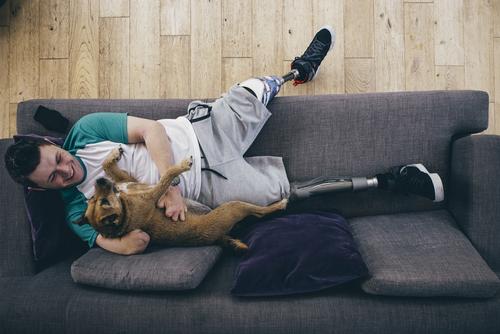 This can be especially tricky if you work with an athlete who is on multiple teams, either for the same sport (on a school and travel team) or in multiple sports. Often, those athletes won’t have recovery days because the overlapping schedules don’t leave any day empty. In that case, as an AT, your authority and advocacy may encourage coaches to find the best options for rest and recovery days for these athletes.
“It’s ideal if ATs are able to help an athlete avoid double practice sessions or weeks without rest days,” says LaBotz. For example, if an athlete is on a school soccer team and in a travel soccer program, they can likely skip one of the team’s strength training sessions each week. Most coaches actually prefer that athletes aren’t doubling up on practice, conditioning, and competition.
“It can be hard, but ATs have the relationships with the athletes, and the authority and expertise within their programs, that make them ideally suited to advocate for good recovery practices,” LaBotz adds. Sometimes, you’re the only person in an athlete’s life who has this overarching point of view, and you can make a big difference.
________________________
Takeaway
As an AT, you’re in the unique position of ensuring that your athlete is recovering physically and mentally. This means taking time off during the week, getting plenty of high-quality sleep, and prioritizing the right nutrients after a workout or competition. It also means supporting an athlete’s mental wellness, whether that’s through meditation or access to mental health professionals.