 Winning the big game, taking a state title, or finishing top 10 at nationals—these outcome goals are exciting to set with your team. But because they often take months to achieve and are influenced by factors beyond your control, focusing only on outcome goals can leave your team unmotivated when things get tough. That’s where process goals come in.
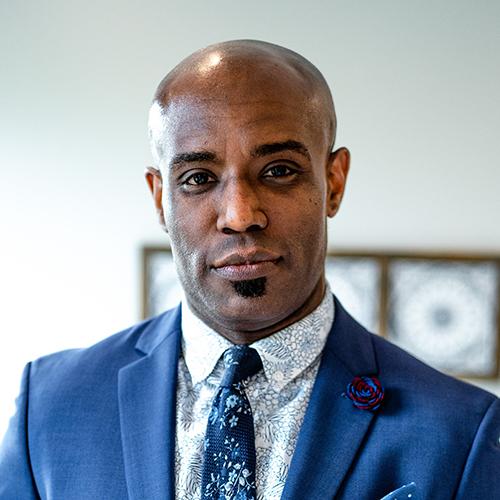
Here, TrueSport Expert Kevin Chapman, PhD, clinical psychologist and founder of The Kentucky Center for Anxiety and Related Disorders, explains what process goals are and how they can help your team stay focused, motivated, and on track toward achieving those big goals.
What exactly are process goals?
“Process goals are sport-specific instructions and habits related to competing as an athlete that lead to positive outcomes,” says Chapman. In other words, process goals break down the big dream—like winning a championship—into the smaller, daily actions and skills that make that dream possible.
“Process leads to outcome,” Chapman explains. “In order for your team to achieve those outcome goals you’ve set, like winning state championships or hitting a certain batting average, you’re going to need process goals that break down the targets that will make those big goals possible.”
Chapman identifies four main types of process goals to work on with athletes:
- Tactical or strategic: Define and practice overall strategies or tactics your athletes will use in competition.
- Mechanical or technical: Focus on improving specific techniques, such as batting stance, shooting form, or passing mechanics.
- Mental: Develop habits around self-talk, emotional regulation, breathing, imagery, and other mindset skills.
- Physical: Build physical capacity through measurable targets, like strength training three times a week or improving sleep and nutrition habits.
Athletes should have several process goals, with each tied to the bigger outcomes they want to reach. When executed well, these smaller goals add up to meaningful performance improvement.
Why process goals matter for coaches
 Process goals aren’t just beneficial for athletes—they help coaches measure progress more effectively.
“You can’t gauge how good an athlete is by how well they play in any one game,” says Chapman. “To me, you can only actually gauge a good athlete by the process goals that they set and accomplish.”
This perspective is especially useful when working with youth athletes. Because they develop at different rates, results may not always reflect effort or potential. One athlete might suddenly grow six inches and start winning races easily, while another—who’s been diligently sticking to their process goals—might still be waiting for that growth spurt. But when that happens, the work they’ve done will pay off in a big way.
How coaches can help set process goals
As a coach, you play a key role in helping athletes translate big aspirations into actionable steps. Start by identifying the season’s primary outcome goal, then work backward to define the small, controllable process goals that will help make it happen. Once an outcome goal is discussed, process goals should naturally follow.
“At the outset, from a team standpoint, a coach needs to create a team culture that values process goals more than outcome goals,” says Chapman. “They should understand that outcome is important, but your process is what leads to it. Let the team know that from a cultural standpoint, the focus is on the process of competing and getting better.”
And don’t stop there. Help athletes personalize their plans. “Help athletes identify the areas that would enhance and optimize their individual performance, and based on that, help them set process goals,” says Chapman.
Individual goals aren’t selfish, he adds. “Individual process goals will support not only the athlete, but the whole team,” Chapman explains. “If one athlete’s goal is to be more aggressive to the basket on the basketball court, the team stands to benefit from more points because of that goal.”
Once goals are set, keep them visible. Chapman recommends listing team goals on a whiteboard and encouraging athletes to keep personal goals in a notebook, binder, or note app. Checking in regularly helps keep the process—and the motivation—alive. A goal that isn’t written down or tracked is far less likely to become reality.
Measuring process goals
Process goals can be trickier to measure than outcome goals because they focus on habits rather than results. The key is consistency.
For example, if an athlete sets a goal to improve recovery, you don’t track it by whether they win the next game. Instead, track how often they get eight hours of sleep, eat protein within an hour after practice, or stretch in the evening. Over time, those habits lead to better results—even if you can’t see them right away.
And remember, success doesn’t always mean hitting the ultimate outcome. “We can’t control the uncontrollable,” says Chapman. “Coaches need to be very explicit with their athletes that performance doesn’t equal identity. We want to set realistic outcome goals, and process goals do tend to lead to outcome goals, but the real goal is improvement.”
_____________________________
The takeaway
It’s natural to focus on winning championships and titles, but real progress happens when your athletes commit to their process goals—the small, sport-specific habits and skills that make big goals possible. By helping your team set and stick to process goals, you’re not just improving performance, you’re building consistency, confidence, and a lasting love of improvement.